Your body has a natural and complex relationship with light. We’re designed to absorb it, and different types of light can trigger different biological responses, from producing vitamin D to regulating our sleep cycles. This fundamental principle is the foundation of light therapy. A clear phototherapy definition is the controlled use of specific light waves to improve health conditions. For people with autoimmune diseases, this means using a very particular type of light—Narrowband UVB—to send a signal to the body to dial down inflammation and calm an overactive immune response, working with your own biology to promote better health.
Key Takeaways
- Phototherapy works with your body’s natural systems: It uses specific, prescribed wavelengths of light to gently calm an overactive immune response, helping to reduce the inflammation that drives many autoimmune conditions.
- It addresses systemic issues, not just surface symptoms: While known for treating skin disorders, Narrowband UVB phototherapy is a promising innovative option for managing the body-wide inflammation and fatigue common in autoimmune diseases.
- A prescription and consistency are essential for success: This is a medical treatment that requires a doctor’s guidance to ensure safety and effectiveness, and sticking to your personalized schedule is the key to achieving lasting results.
What is Phototherapy?
Let’s start with the basics. Phototherapy, which you might also hear called light therapy, is a medical treatment that uses specific wavelengths of light to improve health conditions. Think of it as a highly targeted and controlled way to use light for healing. Instead of taking a pill, your treatment involves exposing your skin to a special kind of light—either from specialized lamps or, in some cases, natural sunlight. The goal is to harness the power of light to reduce inflammation, calm your immune system, and help your body’s natural healing processes get back on track. It’s a fascinating field where science meets nature to offer new paths to wellness.
Phototherapy (also called light therapy) is a prescribed medical treatment that uses controlled wavelengths of light to produce a therapeutic effect—typically by calming inflammation and immune activity.
It’s important not to confuse medical phototherapy with:
– Tanning beds (broad-spectrum UV for cosmetic tanning)
– Consumer “wellness” lamps (often aimed at mood/circadian rhythm support)
– Random sun exposure (uncontrolled dose and risk)
The difference is precision: the wavelength, dose, and schedule are medically guided to achieve a health outcome safely.
Defining Light as Medicine
It might sound a little futuristic, but using light as medicine is a well-established practice. The key is precision. We’re not talking about just any light; we’re talking about specific types, like Narrowband ultraviolet B (NB-UVB) light therapy, which has been a game-changer for many chronic conditions. Our skin has evolved to use this specific wavelength of light to feed our immune system and calm down inflammation at the source, and encourage our body to heal. For people dealing with an overactive immune system, this can be incredibly helpful. It’s a way of working with your body’s own systems to restore balance, rather than just managing symptoms.
How It’s Used in Healthcare
You’ll find phototherapy used across different areas of medicine, but it’s most known for treating a variety of skin disorders like psoriasis, eczema, and vitiligo. In these cases, controlled doses of light help soothe inflammation and reduce itchiness. But its application doesn’t stop there. You might be surprised to learn that a form of light therapy is used to treat jaundice in newborns. A special blue light helps break down a substance called bilirubin in the baby’s body. This shows just how versatile and established light therapy is as a safe, effective medical treatment when administered correctly.
How Does Phototherapy Work?
It might seem strange to think of light as a form of medicine, but the concept is grounded in solid science. Phototherapy works by exposing your skin to specific wavelengths of light under controlled conditions. This isn’t the same as sitting in the sun or using a tanning bed. Instead, it’s a precise medical treatment that uses light to trigger natural biological processes in your body. When your skin absorbs these targeted light waves, it sets off a chain reaction that can help manage symptoms and address underlying issues.
The goal is to harness the power of light to bring your body back into balance. For those dealing with an overactive immune system, this process can be incredibly helpful. The light exposure helps to reduce inflammation, calm immune responses, and promote healing from within. Think of it as giving your body a specific instruction using a language it already understands: light. This approach offers an innovative treatment option for people looking for relief beyond conventional medications.
The Science of Light and Your Body
Your body has a fascinating and complex relationship with light. Our skin is designed to absorb light, and different wavelengths create different effects. Phototherapy leverages this by using a very specific type of light, often narrowband ultraviolet B (NB-UVB), to achieve a therapeutic outcome. When your skin absorbs these light particles, it initiates a natural cascade of events. This process can help reduce the inflammation that drives many autoimmune conditions. It’s a way of working with your body’s own systems to gently guide them toward a calmer, more balanced state, which can significantly improve your quality of life.
How It Calms Your System
If your immune system is in chronic overdrive, phototherapy may help dial it back. The controlled doses of NB-UVB light are absorbed by your skin cells, migrate to your lymphatic system, which is responsible for priming regulators of your immune system. These regulatory cells do just what they sound like they would do, and calm down an overactive immune response. This helps reduce the systemic inflammation implicated in conditions like multiple sclerosis, Graft Versus Host Disease, long COVID, and other autoimmune diseases. Recent research shows that NB-UVB phototherapy can effectively reduce this runaway inflammation. By calming the immune system at a cellular level, phototherapy helps address the root cause of many symptoms, rather than just masking them, offering a path toward better overall health.
What Conditions Can Phototherapy Treat?
Phototherapy is a surprisingly versatile treatment. While many people first hear about it in a dermatology office, its applications extend far beyond the skin. Different types of light can be used to address a wide range of health concerns, from chronic autoimmune diseases and mood disorders to a common condition in newborns. The key is matching the right kind of light to the specific condition. This approach allows providers to target the underlying mechanisms of a disease, whether it’s calming an overactive immune system or resetting the body’s internal clock. Let’s look at some of the most common conditions that can be managed with phototherapy.
What Phototherapy Can Help
Phototherapy is used in different ways depending on the condition and the type of light used. Some forms target the skin directly, while others influence systemic pathways (like immune regulation or circadian rhythm).
In practice, phototherapy is most commonly used for:
– Chronic inflammatory skin conditions (e.g., psoriasis, eczema, vitiligo)
– Certain systemic inflammatory/autoimmune-related symptoms (using NB-UVB under medical guidance)
– Mood/circadian rhythm issues (bright light therapy)
– Newborn jaundice (special blue light in clinical settings)
Skin Disorders
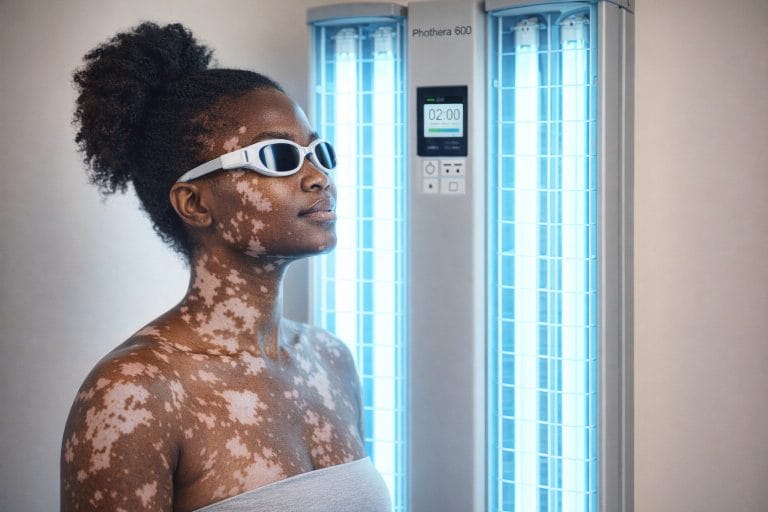
For decades, phototherapy has been a trusted treatment for a variety of skin disorders. It’s often recommended for chronic conditions like psoriasis, eczema, and vitiligo. By exposing the skin to specific wavelengths of ultraviolet (UV) light under medical supervision, phototherapy can help slow the rapid growth of skin cells and reduce inflammation. This process helps relieve symptoms like itching, scaling, and redness associated with these conditions. It’s also used to treat persistent itchy skin and even a type of skin cancer known as cutaneous T-cell lymphoma. For many, it’s an effective way to manage symptoms without relying solely on topical creams or systemic medications.
Autoimmune Conditions
Beyond the skin, phototherapy is showing incredible promise for systemic autoimmune diseases. Specifically, Narrowband UVB (NB-UVB) light therapy is being used to help reduce the runaway systemic inflammation that is a hallmark of conditions like multiple sclerosis (MS). Instead of just treating symptoms, this therapy works on a deeper level to help calm the immune system. For people living with chronic autoimmune conditions, this can mean improved quality of life and better health management. It represents an innovative option for those who feel that standard treatments aren’t providing enough relief from the inflammation and fatigue that define their condition.
Mood and Sleep Disorders
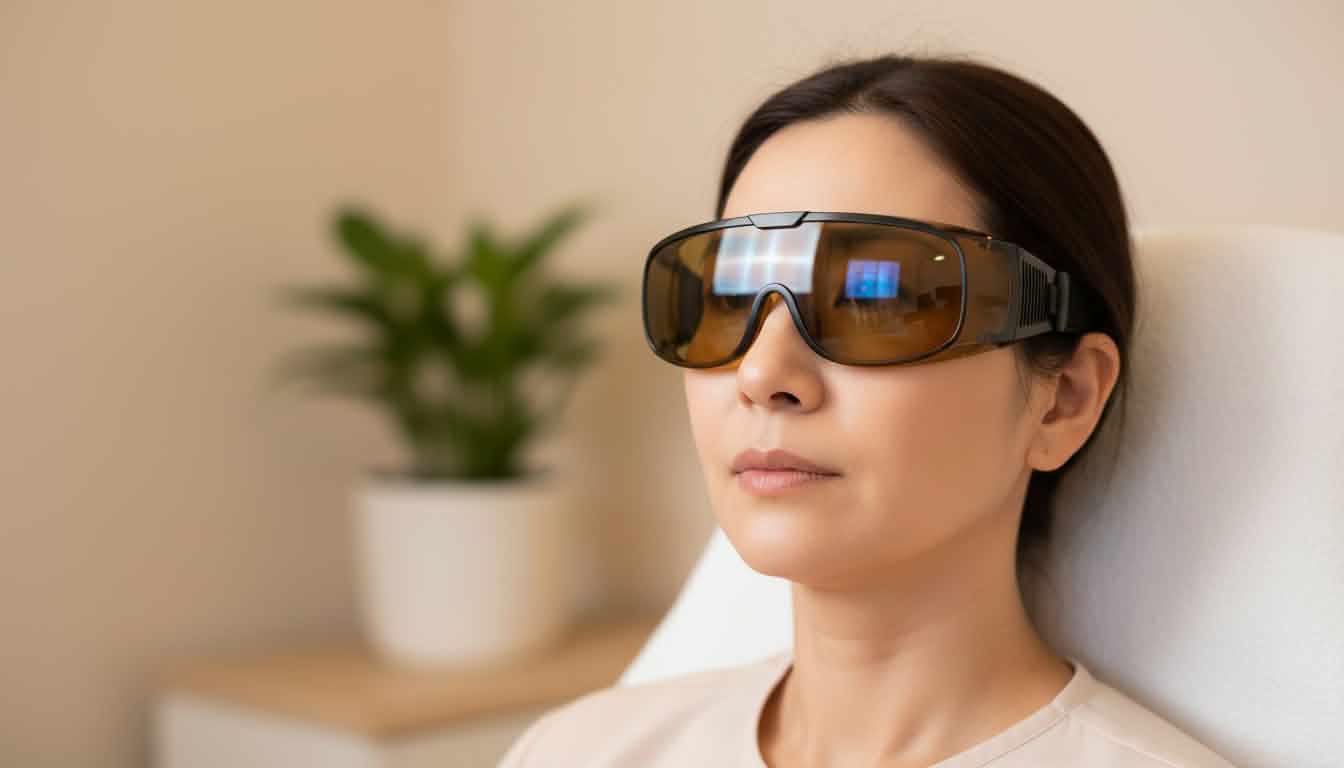
You might be surprised to learn that light can also influence your mood and sleep patterns. This is where bright light therapy comes in. It’s most commonly known as a treatment for Seasonal Affective Disorder (SAD), a type of depression that occurs during certain seasons. This therapy works by exposing you to a special light box that mimics natural outdoor light. The light interacts with cells in your eyes that connect to the part of your brain that controls your sleep-wake cycle. This helps to reset your internal clock, or circadian rhythm, which can improve mood, increase energy, and regulate sleep.
Newborn Jaundice
One of the most common and safest uses of phototherapy is for treating jaundice in newborns. Jaundice occurs when there is a buildup of a substance called bilirubin in the baby’s blood, causing their skin and eyes to look yellow. Light therapy is a simple, non-invasive solution. The baby is placed under a special blue light that helps break down bilirubin into a form that their body can easily get rid of. This standard treatment is highly effective and is used in hospitals around the world to help newborns get a healthy start.
What Are the Different Types of Phototherapy?
Phototherapy isn’t a one-size-fits-all treatment. The term covers several different approaches that use specific wavelengths of light to achieve different health outcomes. While they all use light as a healing tool, how they work and what they treat can vary quite a bit. Understanding these differences is key to finding the right approach for your specific needs. Let’s walk through the most common types so you can have a clear picture of the options available and feel more prepared to discuss them with your doctor.
Narrowband UVB (NB-UVB)
Narrowband UVB is a highly specific type of phototherapy that has been a trusted treatment for chronic skin conditions for decades. It uses a very small part of the UVB light spectrum—a specific wavelength that our skin is naturally tuned to absorb. When your skin absorbs this light, it kicks off a natural cascade of events that helps calm the immune system. This process is what makes it an effective way to reduce inflammation and ease the symptoms of various autoimmune conditions. It’s a targeted approach that works with your body’s own biology to restore balance without affecting your entire system.
Bright Light Therapy
You may have heard of bright light therapy in the context of “happy lamps.” This type of phototherapy works very differently from NB-UVB. Instead of targeting the skin, it affects cells in your eyes. These cells then send signals to the part of your brain that controls your internal clock, or sleep-wake cycle. It’s most commonly used to treat Seasonal Affective Disorder (SAD) by easing the depressive symptoms that can appear during darker months. It can also help with other conditions like jet lag and certain sleep disorders. The goal here is less about systemic inflammation and more about regulating your body’s natural rhythms.
PUVA Therapy
PUVA stands for Psoralen plus Ultraviolet A. This is a more intensive form of phototherapy that combines UVA light with a medication called psoralen, which makes your skin much more sensitive to light. You either take the psoralen orally or apply it to your skin before being exposed to UVA light. Because it’s a stronger treatment, it’s usually reserved for more severe cases when other therapies haven’t been successful. It also comes with a higher risk of side effects compared to other forms of phototherapy, which is an important consideration when weighing your treatment options.
Photodynamic Therapy
Photodynamic therapy, or PDT, is a two-part treatment that is highly targeted. First, a special light-sensitizing drug, called a photosensitizer, is applied directly to the skin or administered into the body. After a period of time, the targeted area is exposed to a specific wavelength of light. This light activates the drug, causing it to produce a type of oxygen that destroys nearby abnormal cells, such as cancer cells. Because of its precise nature, PDT is most often used to treat certain types of cancer and precancerous conditions on the skin, making it very different from therapies designed to manage widespread inflammation.
How Do You Get Phototherapy?
If you’re considering phototherapy, you’ll find that getting started is a clear and structured process. Because it’s a medical treatment, it always begins with a conversation with your healthcare provider. They will help you figure out the best approach for your specific needs, whether that means visiting a clinic or using a device in the comfort of your own home. Let’s walk through what you can expect.
The Phototherapy Procedure: Step-by-Step
If you’re new to phototherapy, the process is usually straightforward and repeatable:
1) Evaluation + prescription: A qualified provider reviews your history, medications, and goals, then prescribes the appropriate type of phototherapy and starting dose.
2) Your first session (baseline dose): Early sessions can be very short. The dose is intentionally conservative to reduce the chance of irritation.
3) Dose adjustments over time: Your provider gradually increases exposure based on how your skin/body responds—this helps balance safety with results.
4) Ongoing monitoring: Progress is tracked and the plan is adjusted if you experience redness, sensitivity, missed sessions, or plateaued results.
In the Clinic vs. At Home
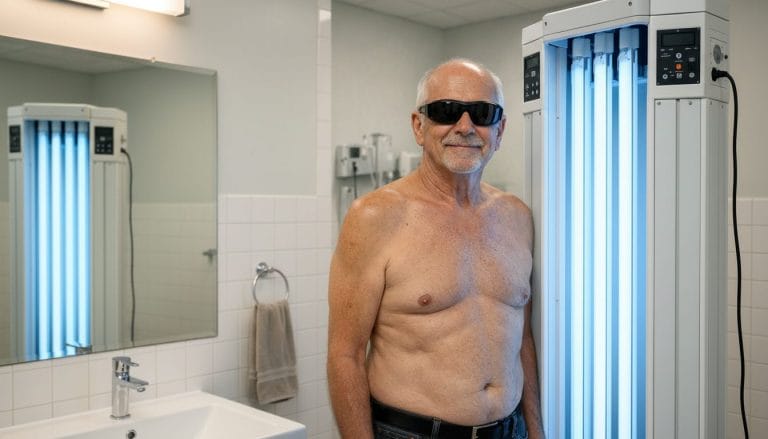
Phototherapy is typically administered in one of two settings: a medical office or at home. In a clinic, you might use a full-body booth that looks a bit like a standing tanning bed, or more targeted panels and lamps for specific areas. These sessions are supervised by trained staff. For many people, however, at-home treatment is a more convenient option. Your doctor can prescribe a portable, FDA-cleared device that you can use on your own schedule. This flexibility makes it easier to stick with your treatment plan, which is key to seeing results. At-home units are one of the most practical innovative treatment options available for managing chronic conditions. Randomized clinical trials have shown better outcomes and higher patient satisfaction with at-home units versus the clinic. The at-home option restores a patient’s dignity by allowing them to treat themselves.
What a Treatment Schedule Looks Like
Consistency is the name of the game with phototherapy. Your doctor will tailor your treatment schedule, but most people have sessions several times a week. The sessions themselves can be quite short, sometimes lasting only a few seconds and gradually increasing to several minutes as your skin adapts. While every person is different, you might start noticing improvements after about six to eight sessions. For the full therapeutic effect, it can take between 24 and 48 treatments. Your provider will create a phototherapy treatment plan that outlines the frequency and duration needed to achieve the best possible outcome for your condition.
Why You Need a Prescription
You might wonder why you can’t just buy a phototherapy device over the counter. The simple answer is that this is a powerful medical treatment that needs to be supervised by a professional. A prescription ensures that phototherapy is the right and safe choice for you. Your doctor will evaluate your medical history, current medications, and overall health to rule out any potential issues. For example, certain medications can make your skin more sensitive to light, and some health conditions aren’t compatible with UV therapy. Requiring a prescription protects your health and makes sure you’re using the light correctly to get the most benefit.
What Are the Benefits and Risks?
Like any medical treatment, phototherapy comes with its own set of benefits and potential risks. Understanding both sides helps you and your doctor decide if it’s the right path for you. The great news is that for many people, light therapy offers a powerful way to manage symptoms with fewer side effects than systemic medications. It’s a tool that works with your body to reduce inflammation and calm an overactive immune response.
The primary benefits are that it’s a non-invasive treatment and a non-drug alternative, which can be a huge relief if you’re managing a complex medication schedule. On the other hand, because it uses ultraviolet light, there are potential side effects to consider, ranging from temporary skin irritation to long-term safety precautions. The key is to work closely with a qualified provider who can create a personalized treatment plan. They will help you maximize the benefits while carefully managing any risks, ensuring your therapy is both safe and effective for your specific needs.
Benefit: A Non-Invasive Approach
One of the most appealing aspects of phototherapy is that it’s non-invasive. There are no needles, pills, or infusions involved. Instead, the treatment simply involves exposing your skin to specific wavelengths of light for a controlled amount of time. This light works on the surface to create a systemic effect, helping to reduce inflammation and calm your immune system from the outside in. For anyone who feels overwhelmed by more intensive medical procedures, this gentle approach can be a welcome change. It’s a straightforward process that harnesses the power of light to help your body find a better balance, making it a less intimidating option for managing a chronic condition.
Benefit: An Alternative to Systemic Drugs
If you’re looking for an alternative or a complement to systemic medications, phototherapy is a compelling option. Many drugs used for autoimmune conditions affect your entire body and can come with a long list of side effects. Narrowband UVB (NB-UVB) light therapy, however, offers a non-drug option your doctor can prescribe to help regulate your immune response. It has been used for decades to improve the quality of life for people with chronic conditions. This can mean reducing your reliance on certain medications or finding relief without adding another pill to your daily routine. It gives you and your provider another effective tool to work with, creating more personalized and flexible innovative treatment options.
Risk: Understanding Short-Term Side Effects
When you begin phototherapy, you might experience some temporary side effects as your body adjusts. The most common ones are related to your skin and are often similar to a mild sunburn, including redness, dryness, or itchiness. Some people may also develop blisters or notice irritation around hair follicles. These reactions are typically mild and can be managed easily with moisturizers and by adjusting your treatment time. Your provider will start you on a very low dose of light and gradually increase it based on your response to find the perfect amount for your skin. This careful process helps minimize discomfort and ensures your skin can adapt safely to the therapy.
Risk: Long-Term Safety and Precautions
It’s natural to have questions about the long-term safety of any treatment involving UV light. While excessive UV exposure is linked to an increased risk of skin cancer, it’s important to distinguish between different types of UV light. The phototherapy uses and benefits of Narrowband UVB (NB-UVB) come from a very specific, therapeutic wavelength that has a much better safety profile than the broad-spectrum UV found in tanning beds or prolonged sun exposure. Decades of research support its use as a safe medical treatment when administered by a professional. To ensure your long-term health, your care plan will include regular skin checks with your provider or a dermatologist to monitor your skin closely over time. The American Academy of Dermatology guidelines report there is no elevated risk of melanoma with NB-UVB therapy.
How Effective Is Phototherapy for Autoimmune Conditions?
While many people associate phototherapy with skin conditions, a growing body of research shows its potential for managing the systemic effects of autoimmune diseases. For those dealing with chronic inflammation and persistent fatigue, light therapy offers a different approach. Instead of just managing symptoms, it works with your body’s natural processes to help calm an overactive immune response. The goal is to address the underlying inflammation that contributes to so many autoimmune-related issues, offering a path toward feeling better from the inside out.
Using Narrowband UVB to Reduce Inflammation
One of the most significant challenges of living with an autoimmune condition is systemic inflammation. This isn’t just localized swelling; it’s a body-wide state of alert that can cause pain, damage tissues, and leave you feeling unwell. Narrowband UVB (NB-UVB) phototherapy is a promising tool for addressing this. Studies have shown that specific wavelengths of light can lower inflammatory proteins in the body. As recent research from Cytokind found, “NB-UVB phototherapy reduced the runaway systemic inflammation implicated in MS and other autoimmune diseases.” By targeting the immune response at a fundamental level, this therapy can help dial down the inflammation that drives disease activity.
Easing Fatigue and Calming the Immune System
Fatigue is more than just feeling tired; it’s a profound exhaustion that can interfere with every aspect of daily life. This is often a direct result of an immune system working in overdrive. Phototherapy offers an innovative treatment option by helping to rebalance your body’s internal systems. As Cytokind explains, “If your immune system is in chronic overdrive, light therapy may help. Our skin is specifically tuned to absorb NB-UVB light, which starts a natural cascade of actions that calms the immune system and reduces inflammation for better health.” This process doesn’t just help with inflammation; it can also lead to a noticeable improvement in energy levels and overall well-being, giving you a chance to feel more like yourself again.
Common Myths About Phototherapy
When you’re exploring new treatments, it’s easy to run into misinformation. Phototherapy is a well-established medical treatment, but a few common myths can cause confusion. Understanding the facts can help you and your doctor decide if it’s the right path for you. Let’s clear up some of the biggest misconceptions about using light as medicine.
Myth: It’s Just a Tanning Bed
This is one of the most common but incorrect assumptions. While both use UV light, comparing a medical phototherapy device to a tanning bed is like comparing prescription medication to a random supplement. Tanning beds use a broad spectrum of UVA and UVB light with the cosmetic goal of darkening your skin. In contrast, phototherapy is a medical treatment that uses a very specific, narrow wavelength of light to achieve a therapeutic outcome, like calming an overactive immune response. This treatment is administered using medical-grade equipment under the guidance of a healthcare provider who controls the dose and duration.
Myth: The Cancer Risk is High
It’s smart to be cautious about UV exposure, but medical phototherapy is not the same as spending hours in the sun or a tanning bed. The type of light used in many modern treatments, Narrowband UVB (NB-UVB), isolates a very small, specific part of the UVB spectrum. This precise wavelength is effective at treating autoimmune conditions while minimizing exposure to other, more harmful wavelengths. Decades of research and clinical use have shown that when administered correctly by a healthcare professional, the long-term safety profile of NB-UVB is strong. Your provider will create a carefully controlled treatment plan to ensure you get the benefits safely.
Myth: It’s a Quick Fix
While we all wish for an instant solution, phototherapy is a process, not a magic wand. It works with your body to create gradual, systemic change, which takes time and consistency. Most treatment plans involve multiple sessions over several weeks or months to achieve significant and lasting results. Think of it as a physical therapy routine for your immune system. It requires commitment, but for many people, sticking with the prescribed schedule leads to meaningful improvements in their symptoms and overall well-being. Your provider will work with you to monitor your progress and adjust the plan as needed.
What to Expect During Treatment
Starting any new treatment can feel a little daunting, but knowing what’s ahead can make the process much smoother. Phototherapy is a partnership between you and your healthcare provider. Your role is to stick with the plan and communicate how you’re feeling, while your provider’s job is to create a safe and effective schedule, monitor your progress, and make adjustments as needed. The goal is to find the right balance that helps your body without causing discomfort.
From finding the right doctor to understanding what a session feels like, here’s a straightforward look at what your phototherapy experience will likely involve.
Why Protocols Matter (Frequency, Progression, Consistency)
Phototherapy works best when it follows a structured protocol. Your provider sets:
**Frequency** (often multiple sessions per week early on)
**Progression** (gradual dose increases to build tolerance)
**Response rules** (what to do if you get redness or irritation)
**Maintenance** (how to reduce frequency once symptoms improve)
Consistency is usually the biggest predictor of results. If you miss sessions, your restart dose may need adjustment based on your prescription instructions and clinical guidance.
How to Find a Qualified Provider
Your first step is to talk with a doctor who understands your condition, whether that’s a dermatologist, rheumatologist, or another specialist. While specialists are preferred, any licensed care provider in your state can provide a prescription. They can determine if phototherapy is a good fit for you and write the necessary prescription. It’s important to find a provider who is not only qualified but also listens to your concerns and goals. When you meet, be prepared to discuss your full health history. You should always tell your doctor about all medications, vitamins, and supplements you’re taking, as some can make your skin more sensitive to light. This open conversation ensures your treatment plan is both safe and tailored to your specific needs.
Your Treatment Plan and How It’s Monitored
Phototherapy is a gradual process, not an overnight fix. Your treatment plan will involve a series of sessions over several weeks or months. Initially, you might have appointments two to three times a week, with each session lasting anywhere from a few seconds to several minutes. Your provider will carefully monitor your skin’s reaction and slowly increase the light exposure time. It takes consistency to see results; most people begin to notice improvements after six to eight sessions, but it can take 24 to 48 treatments to achieve the best outcome. Your doctor will also give you guidance on caring for your skin at home, which usually includes daily moisturizing and using sunscreen.
What Treatment Feels Like
For most people, phototherapy sessions are simple and painless. During the treatment, you’ll not feel anything except a gentle warmth on your skin, but not enough to raise your temperature. Afterward, it’s common to experience some mild side effects. Your skin might look slightly red or a bit darker in the treated areas, much like a very light sunburn. This redness typically fades within 24 hours. You and your care provider work carefully to find the right dose for you. The governing adjustments to the dose are based on your personal response. To prevent more serious reactions like burns or blisters. It’s essential to communicate with your care team about how your skin is feeling after each session so you can adjust the treatment intensity and keep you comfortable.
Related Articles
- Phototherapy – Safe & Effective Treatment for Psoriasis & Eczema
- Clinical NB-UVB Phototherapy: Advanced Care
- Autoimmune Disease and Innovative Treatment Options – Cytokind
- How UVB Phototherapy Works and Starting Steps – Cytokind
- NB-UVB Therapy Insights: Research & Expert Guidance
Frequently Asked Questions
Why does treating my skin with light help my whole body feel better? It’s a great question that gets to the heart of how this therapy works. Think of your skin as the front lines for your immune system, sensing your entire environment. When your skin absorbs the specific wavelength of light used in phototherapy, it triggers a natural chain reaction known as the photo-immune cascade, which stimulates your skin cells to migrate to your lymph system, which generates more immune regulators, which restores balance as they travel throughout your body, telling your overactive immune system to dial things back. When your organs can rest, your mind can too. This helps reduce the systemic inflammation that often causes the fatigue and pain associated with autoimmune conditions.
Is at-home phototherapy as effective as treatment in a clinic? Yes, it absolutely can be. The most important factor for success with phototherapy is consistency, and treating yourself at home makes sticking to a schedule much easier. The at-home devices your doctor can prescribe are FDA-cleared and deliver the same precise, therapeutic light you would receive in a clinic. Your provider will create a personalized plan for you to follow, giving you a powerful and convenient way to manage your health. * At-home vs. in the Clinic NB-UVB
How is this different from just getting more sun or using a tanning bed? This is a crucial distinction for your safety and results. Dermatologists have spent decades isolating the most beneficial wavelengths of light with the least risk; the winner is NB-UVB. Sunlight and tanning beds expose your skin to a broad, uncontrolled spectrum of UV light. Medical phototherapy uses only a very specific, narrow wavelength that is known to have a therapeutic effect. It’s the difference between using a surgical tool and a sledgehammer. This precision allows the treatment to calm your immune system effectively while minimizing exposure to other, potentially harmful rays.
What happens if I miss a treatment session? Life gets in the way sometimes, and missing a single session isn’t a major setback. The American College of Dermatology and the National Psoriasis Foundation have published guidance on missed treatments. Their guidance is summarized in each instruction manual. Refer to your specific prescription and or the AAD/NPF guidelines to adjust your exposure time when you restart to make sure your skin responds comfortably.
Will I have to do this forever? Not necessarily. In dermatology, where the condition is visible, once cleared, patients often stop treatment or just do once-a-week maintenance treatments while they are in remission. Many are in remission for 18-24 months, or until a life stressor makes them vulnerable to a recurrence. For chronic non-dermatological conditions, phototherapy is a newer tool for managing a chronic condition, and your treatment plan can evolve over time. Many people use an initial series of treatments to get their inflammation and symptoms under control. Outcomes may be assessed by subjective improvements, like fatigue, or with objective measures like blood tests. After that, you and your doctor can create a maintenance plan that might involve less frequent sessions. The goal is to find a long-term rhythm that keeps you feeling well without the treatment feeling like a burden.