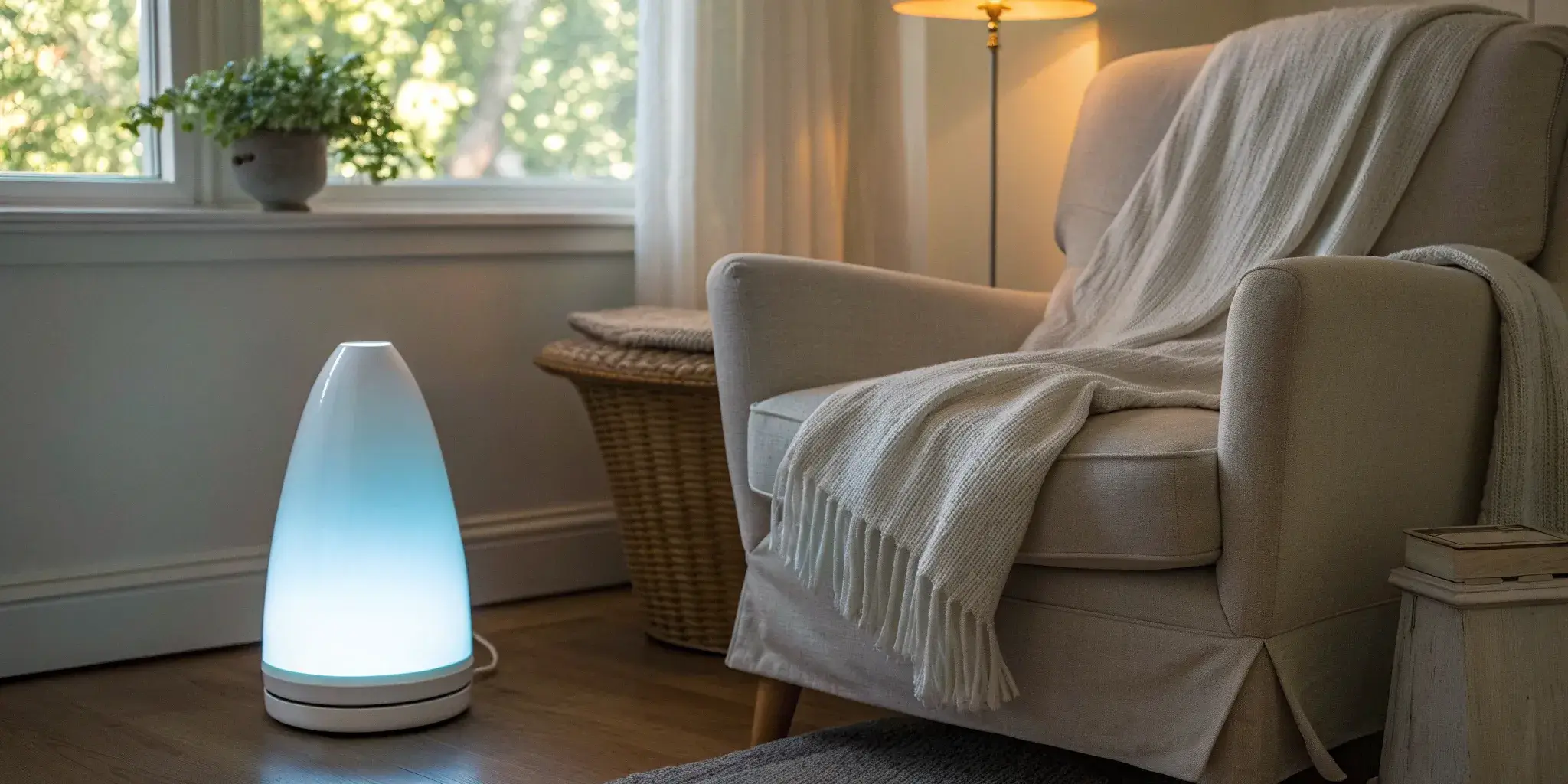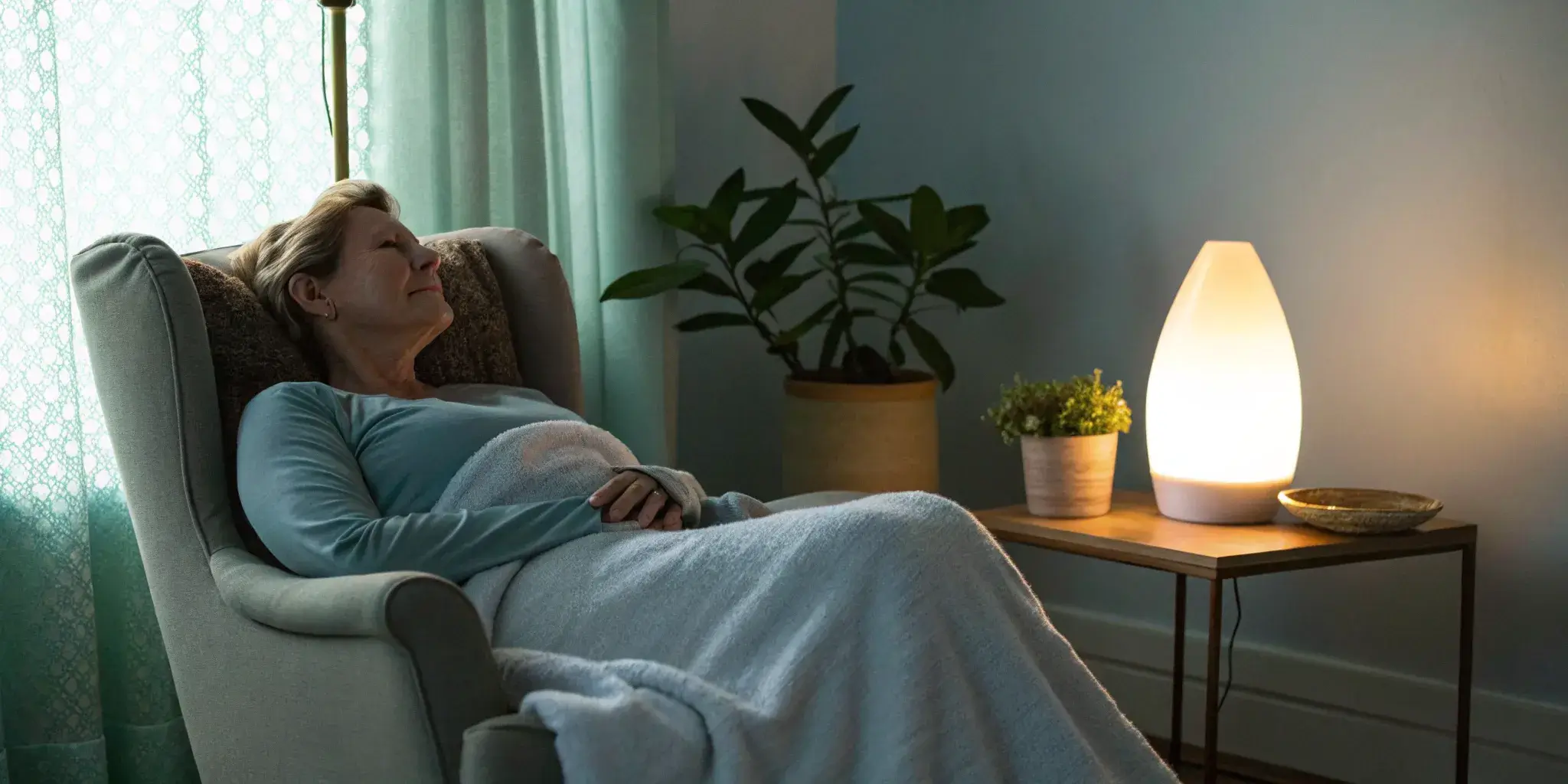
Managing a chronic illness can make you feel like your life revolves around appointments and medication schedules. At-home light therapy is about taking back some of that control. It puts a powerful, effective treatment in your hands, allowing you to support your body consistently and on your own terms. Instead of traveling to a clinic, you can integrate short, simple sessions into your daily routine. This convenience makes it easier to stick with your treatment plan and achieve better results. We’ll cover the key features to look for in an at-home light therapy device for autoimmune disease and explain how this approach empowers you to play a more active role in your own wellness journey.
Key Takeaways
- Start with a professional conversation: Light therapy is a medical treatment, so your first step should always be talking to your doctor. They can help determine if it’s right for you, which type of light is best for your condition, and provide a prescription for a medical-grade device.
- Match the light to your health goals: Different wavelengths have different jobs. Narrowband UVB is a targeted, prescription therapy that works with your skin to calm a systemic immune response, while red light therapy is more often used as a general wellness tool for things like joint pain and circulation.
- Prioritize safety and a steady routine: For effective at-home treatment, choose an FDA-cleared device that meets your specific needs. Success isn’t about a single session; it comes from creating a consistent schedule and using your device exactly as directed.
What is At-Home Light Therapy for Autoimmune Disease?
If you’re living with an autoimmune disease, you know the search for effective relief can feel endless. At-home light therapy is an innovative treatment that uses specific wavelengths of light to help manage your symptoms right from the comfort of your home. Think of it as a way to use light to communicate with your body, encouraging it to reduce inflammation and calm an overactive immune system. This isn’t the same as sitting in the sun; it’s a targeted, medical-grade approach that uses clinically studied light waves, often prescribed by a doctor to ensure it’s the right fit for you.
For many, light therapy is a powerful tool used alongside other treatments to address the root causes of symptoms like fatigue and systemic inflammation. It offers a way to take an active role in your wellness routine, giving you more control over your day-to-day health. Instead of just reacting to flare-ups, you have a consistent way to support your body. As research continues to grow, more people are discovering how these innovative treatment options can make a real difference in their quality of life. The goal is simple: to help you feel better with a convenient, non-invasive therapy you can manage yourself, on your own terms.
How Light Therapy Helps Calm the Immune System
So, how does light actually work to calm your immune system? Our skin is uniquely designed to absorb certain wavelengths of light. When exposed to a specific type, like Narrowband UVB (NB-UVB), it kicks off a natural chain reaction inside the body. This process helps regulate an overactive immune response, which is the hallmark of autoimmune conditions.
Instead of just masking symptoms, light therapy works at a cellular level to fine-tune immune responses. It can influence key immune cells, signaling them to dial back inflammation. This targeted action helps restore balance within your system, providing relief from the inside out. It’s a gentle yet effective way to support your body’s own healing capabilities.
The Advantages of Treating at Home
One of the biggest benefits of at-home light therapy is its convenience. Managing a chronic condition is hard enough without adding frequent trips to a clinic. Treating at home allows you to fit your sessions into your own schedule, making it easier to stay consistent and get the best results. It’s a non-drug option your doctor can prescribe, which is a welcome alternative for anyone looking to minimize medication side effects.
Beyond convenience, at-home therapy is a safe and proven approach. For many autoimmune skin conditions, phototherapy is considered a first-line treatment because of its effectiveness and minimal side effects. Having a device at home empowers you to manage your condition proactively, working with your doctor to create a treatment plan that truly fits your life.
What Are the Different Types of Light Therapy?
When you hear “light therapy,” you might picture a single type of treatment, but it’s actually a broad field with several different approaches. The key difference between them is the wavelength—or color—of light used. Just as different nutrients in food have unique effects on your body, different wavelengths of light trigger specific biological responses in your cells. Some types of light work on the surface of your skin, while others penetrate deeper to influence cellular function and calm inflammation.
Understanding these distinctions is the first step in figuring out which therapy might be right for you. The main players in the light therapy space are narrowband UVB, red light, and blue light. Each one has a distinct mechanism of action and is typically used to address different health concerns, from chronic skin conditions and systemic inflammation to surface-level bacteria. Exploring these options can help you have a more informed conversation with your doctor about whether innovative treatment options like light therapy could fit into your wellness plan.
Narrowband UVB Therapy
Narrowband ultraviolet B (NB-UVB) therapy has been a trusted treatment for chronic skin conditions for decades, and now its benefits for systemic autoimmune issues are becoming clearer. This isn’t the same as the broad-spectrum UV light from the sun; it uses a very specific, therapeutic sliver of the UVB spectrum. Think of it as a targeted, non-drug option your doctor can prescribe to help calm your immune system. Our skin is uniquely equipped to absorb NB-UVB light, which sets off a natural chain reaction that reduces inflammation throughout the body. It’s a way to work with your body’s own biology to restore balance and improve your overall health.
Red Light Therapy
Red light therapy (RLT) uses low-level wavelengths of red and near-infrared light that can penetrate deeper into the body than other colors. The primary idea behind RLT is that it gives a gentle energy assist to the mitochondria, the tiny “power plants” inside your cells. When your cells have more energy, they can function more efficiently, which can lead to a wide range of health benefits. Many people use Red Light Therapy to help with joint pain, improve blood flow, and reduce inflammation, making it a popular option for conditions like arthritis.
Blue Light Therapy
You’ve most likely heard about blue light in the context of screens, but it also has therapeutic uses. Blue light therapy primarily works on the surface of the skin. It’s best known for its effectiveness in treating acne because its specific wavelength is great at killing the bacteria that contribute to breakouts. It can also help reduce the associated swelling and redness. While it’s a go-to for certain dermatological issues, its application for systemic autoimmune conditions is less documented compared to the deeper-reaching effects of narrowband UVB and red light therapies.
Which Type Is Right for Your Condition?
Choosing the right light therapy really comes down to your specific health goals and the condition you’re looking to manage. Because each type of light interacts with the body differently, what works for one person might not be the best fit for another. The science of how light affects our cells, sometimes called photobiomodulation, shows that these therapies can fine-tune immune responses and have real promise for autoimmune diseases. The most important step is to talk with your doctor. They can help you understand your condition better and determine which type of light therapy, if any, aligns with your treatment plan.
Key Features to Look for in a Light Therapy Device
Once you start looking, you’ll find a dizzying number of light therapy devices on the market. They come in all shapes, sizes, and price points, and it can be tough to figure out which one is right for you. To get a device that is both safe and effective for managing your autoimmune symptoms, you need to look past the marketing claims and focus on a few key features. Think of this as your checklist for finding a high-quality, medical-grade tool that will become a trusted part of your wellness routine.
Why FDA Clearance and Safety Matter
This is the most important item on your checklist. When you’re using a device for your health, you want assurance that it’s safe and works as intended. That’s where FDA clearance comes in. This designation means the device has been reviewed for safety and performance, giving you peace of mind that it meets specific quality standards. An FDA-cleared device has gone through a rigorous process to verify its claims. Don’t settle for anything less, especially when managing a chronic condition. It’s the first and most critical step to ensure you’re investing in a legitimate medical tool, not just a gadget.
Check the Wavelength and Power Output
The effectiveness of light therapy comes down to two things: wavelength and power. Wavelength, measured in nanometers (nm), determines the type of light and how deeply it penetrates your body. Different wavelengths have different biological effects, so it’s crucial to choose a device that emits the specific wavelength studied for your condition. Power output, or irradiance, tells you the dose of light energy you’re receiving. A higher irradiance means more light energy is reaching your cells, which can lead to a better therapeutic response. Be sure to check that the device’s specs align with the recommendations from your doctor or clinical research.
Consider the Coverage Area and Device Size
Think about how you plan to use your device. Are you looking to address systemic inflammation and fatigue, or are you targeting a specific area of joint pain? The size of the device should match your treatment goals. Large panels are great for treating your entire body at once, which can be more efficient for widespread symptoms. Smaller, handheld units offer precision for targeting specific spots, like your thyroid or a painful knee. Your choice will impact the convenience and duration of your sessions, so consider what fits best with your lifestyle and the symptoms you want to manage.
Look for Timers and Easy-to-Use Programs
When you’re not feeling your best, the last thing you need is a complicated piece of equipment. A good light therapy device should be simple to operate. Features like built-in timers are incredibly helpful because they ensure you get the correct treatment dose every time without having to watch the clock. This also prevents overexposure, which is a key safety consideration. Some devices come with pre-set programs designed for specific outcomes. Always follow the manufacturer’s instructions carefully to get the best results safely and make your at-home therapy sessions as effortless as possible.
Prioritize Portability and Simple Setup
To get the benefits of light therapy, you have to use it consistently. That’s why portability and ease of use are so important. A device that is lightweight, easy to move, and simple to set up is one you’re more likely to use regularly. If you travel often or have limited space, look for a compact design that won’t become a hassle. The goal is to integrate light therapy seamlessly into your daily life. A device that’s ready to go in minutes removes a major barrier to sticking with your treatment plan long-term.
A Look at Top At-Home Light Therapy Devices
Once you start searching for an at-home light therapy device, you’ll find there are a lot of options out there. The market includes everything from handheld wands to full-body panels, each using different types of light for different purposes. To help you make sense of it all, let’s walk through a few of the top devices available. This isn’t an exhaustive list, but it gives you a good idea of the different technologies and what they’re designed to do.
Remember, the best device for you depends entirely on your health goals and, most importantly, the recommendation of your doctor. Some devices are geared toward general wellness and skincare, while others are medical-grade tools designed to treat specific health conditions. Understanding the difference is the first step in finding the right fit. We’ll look at options that use narrowband UVB, red light, and LED technology to see how they compare.
Cytokind Narrowband UVB Devices
Cytokind offers a unique, non-drug option that your doctor can prescribe to help calm an overactive immune system. For decades, narrowband UVB (NB-UVB) light therapy has been a trusted treatment for chronic skin conditions, and ongoing research is exploring its benefits for systemic inflammation and fatigue associated with other autoimmune diseases. Our skin is designed to absorb this specific wavelength of light, which triggers a natural process that reduces inflammation throughout the body. Because this is a targeted medical treatment, Cytokind devices are FDA-cleared and require a prescription, ensuring you’re using them safely and effectively under your doctor’s guidance.
Mito Red Light Therapy Panels
Mito is a well-known name in the red light therapy space, offering a range of panels for home use. Their devices combine red and near-infrared (NIR) light, which are wavelengths often used to support healing, reduce inflammation, and improve circulation. Unlike NB-UVB, which directly targets the immune system, red light therapy works by stimulating cellular energy production. Mito offers several models in different sizes, from smaller, targeted devices to large, full-body panels. These are generally considered wellness devices and are available to purchase without a prescription for general health support.
Celluma HOME LED Devices
The Celluma HOME is an FDA-cleared device that uses LED technology and stands out for its flexible design. You can wrap it around a sore joint or lay it flat over your face or back. It’s a 2-mode device, cleared for treating both arthritic pain and fine lines and wrinkles in the skin. This versatility makes it a popular choice for people looking for a multi-purpose tool. The Celluma HOME is a great example of how LED-based devices can offer a portable and convenient way to target specific areas of the body for pain relief or skin rejuvenation.
Hooga Red Light Therapy Systems
Hooga is another company that provides a variety of red and near-infrared light therapy devices. Their products are often highlighted for their affordability, making at-home light therapy more accessible. Many people use Hooga panels to help manage the pain, stiffness, and inflammation associated with conditions like arthritis. Similar to other red light systems, these devices are designed to support general wellness and provide symptomatic relief. They come in various sizes and power levels, allowing you to choose a system that fits your space and your specific treatment goals.
How to Choose the Right Device for You
Picking the right light therapy device can feel like a big decision, but it doesn’t have to be complicated. When you know what to look for, you can confidently choose a tool that fits your health goals and lifestyle. The key is to think through your specific needs and work closely with your healthcare provider to find the best match. This process is about finding a safe, effective, and convenient way to manage your symptoms from the comfort of your home. Let’s walk through the most important steps to consider.
Talk to Your Doctor First
Before you start shopping, the most important step is to have a conversation with your doctor. Light therapy is a medical treatment, and your provider can help you determine if it’s a good fit for your specific condition and overall health plan. They can also help you understand the right dosage and frequency for your needs. Light therapy offers a non-drug option your doctor can prescribe to calm your immune system, making it a valuable part of a collaborative treatment strategy. This partnership ensures you’re using the device safely and effectively from day one.
Understand Your Specific Needs
Every autoimmune journey is different, so your treatment should be, too. Think about what you hope to achieve with light therapy. Are you focused on reducing systemic inflammation, easing joint pain, or fighting fatigue? Different types of light and devices are better suited for different goals. Research shows that light therapy can fine-tune immune responses by influencing key immune cells, which is why it holds promise for conditions like rheumatoid arthritis and lupus. Clearly defining your goals will help you and your doctor narrow down the options to the devices most likely to help you feel better.
Match the Device to Your Treatment Goals
Once you know your goals, you can find a device that aligns with them. For example, if you’re managing a chronic condition, you might look for a device with a proven track record. Narrowband ultraviolet B light therapy (NB-UVB) has helped improve the quality of life for people with chronic skin conditions for decades and is now being studied for its systemic effects. The type of light, its wavelength, and the size of the device all play a role. A full-body panel is great for widespread inflammation, while a smaller, targeted device might be better for specific joints.
Do You Need a Prescription?
This is a crucial question. While you can buy some red light therapy devices directly, medical-grade treatments often require a prescription. For instance, narrowband ultraviolet B light therapy (NB-UVB) is a non-drug option that your doctor can prescribe. This isn’t just a formality; it’s a safety measure. A prescription ensures the device is FDA-cleared for your condition and that you’re using it under medical supervision. If you and your doctor decide that NB-UVB is one of the innovative treatment options you want to try, they will provide the necessary prescription to get started.
What Are People Saying About At-Home Light Therapy?
When you’re exploring new treatments for an autoimmune condition, hearing from people who have already walked that path can make all the difference. The conversation around at-home light therapy is growing, and for good reason. Users are sharing their experiences online and with their doctors, painting a picture of a treatment that offers both tangible results and practical convenience. From reducing daily pain to fitting treatment into a busy life, here’s a look at what people are actually experiencing.
Real Results for Inflammation and Fatigue
One of the most consistent themes is relief from the persistent inflammation and fatigue that define so many autoimmune diseases. For decades, narrowband UVB light has been a trusted tool for improving the quality of life for people with chronic skin conditions. Now, people are finding that other forms of light therapy can help with systemic issues, too. Research shows that certain wavelengths of light can help fine-tune immune responses, which may explain why users report feeling a real difference in conditions like arthritis and lower back pain. It’s about getting to the root of the inflammation, not just masking the symptoms.
The Convenience of At-Home Treatment
Beyond the physical benefits, people rave about the sheer convenience of managing their treatment at home. Living with a chronic illness often involves a draining cycle of appointments. At-home light therapy eliminates the travel, waiting rooms, and scheduling conflicts. It puts you back in control of your time. Many also appreciate that it’s a non-drug option that can be prescribed by a doctor, offering an effective way to calm the immune system without the potential side effects that can come with systemic medications. You can fit a session in whenever it works for you, making consistent treatment far more achievable.
A Look at Device Quality and Durability
When it comes to the devices themselves, user reviews often focus on quality, ease of use, and design. People want a device that is not only effective but also durable and simple to operate. You’ll find discussions about everything from the sturdiness of a full-body panel to the portability of a smaller, handheld unit. Many modern devices are designed to be user-friendly, with built-in timers and clear instructions that take the guesswork out of treatment. This focus on a positive user experience shows that manufacturers understand that a medical device needs to fit seamlessly into your home and life.
Is At-Home Light Therapy Safe?
Starting any new treatment at home naturally comes with questions, and the most important one is always about safety. When you’re already managing an autoimmune condition, the last thing you want is a therapy that adds more stress or complications to your life. The good news is that when used correctly, at-home light therapy is generally considered a safe and non-invasive option. The Cleveland Clinic notes that light therapy seems safe and doesn’t have many side effects if used for a short time. This makes it an appealing choice for managing chronic symptoms without adding aggressive interventions to your routine.
Of course, “safe” doesn’t mean “without rules.” The key to a positive experience with at-home light therapy is understanding the potential side effects and following the device instructions to the letter. It’s also why choosing an FDA-cleared device is so important, as it means the product has met specific safety and effectiveness standards. At Cytokind, we focus on providing innovative treatment options that are FDA-cleared, giving you and your doctor peace of mind. Before you begin, it’s essential to know the precautions, how to use your device properly, and what to realistically expect from your treatment.
Potential Side Effects and Precautions
Most people who use at-home light therapy experience few, if any, side effects. When they do occur, they are typically mild and temporary. The most common issues are slight skin irritation or a feeling of warmth in the treated area. The American Academy of Dermatology notes that people with darker skin tones might be more sensitive, which could lead to dark spots that are more intense and last longer.
These side effects are most often the result of using the device incorrectly, like for too long or too frequently. The long-term safety of these devices is still being studied, which is why it’s crucial to stick to the recommended guidelines. Following the instructions that come with your device is the best way to minimize any risks and ensure your treatment is both effective and safe.
How to Use Your Device Safely
Your device’s user manual is your most important tool for safe and effective treatment. Always follow the directions exactly as they are written. This includes adhering to the recommended treatment times, frequency, and distance from the device. If the instructions call for eye protection, be sure to use the specific type of eyewear recommended by the manufacturer. Protecting your eyes is non-negotiable.
Keep in mind that at-home devices are often not as powerful as the equipment used by professionals. While this is a built-in safety feature, it also means that achieving your desired results may take more time and consistency. Think of it as a marathon, not a sprint. The goal is steady, safe progress, and following the rules is the surest way to get there.
Know the Limitations of At-Home Treatment
While at-home light therapy can be a fantastic tool for managing symptoms, it’s important to have realistic expectations. It is not a quick fix. To see results, you need to be consistent with your sessions and patient with the process. The American Academy of Dermatology emphasizes that it takes time to see changes, and the outcome can vary from person to person.
More research is still needed to determine the best long-term treatment schedules and the safest light dosages for home use. This is why partnering with your doctor is so important. They can help you monitor your progress, adjust your routine as needed, and address any concerns you might have. Your healthcare provider is your best resource for integrating at-home light therapy into your overall wellness plan.
Making At-Home Light Therapy More Affordable
Investing in your health is one of the most important things you can do, but the cost of a medical-grade device can feel like a hurdle. The good news is that there are several ways to make at-home light therapy more accessible. Thinking through your payment options ahead of time can help you budget effectively and get the treatment you need without unnecessary financial stress. Let’s walk through a few key strategies, from using tax-free health accounts to understanding your insurance benefits.
Can You Use Your FSA or HSA Funds?
Yes, this is often one of the best ways to make your device more affordable. If you have a Flexible Spending Account (FSA) or Health Savings Account (HSA), you can typically use these pre-tax dollars to purchase a light therapy device prescribed by your doctor. Using these funds means you’re paying with money that hasn’t been taxed, which can translate to significant savings. Every plan has its own rules, so it’s a good idea to confirm that your device is considered a qualified medical expense. A quick call to your FSA or HSA administrator can clarify the process. Be sure to keep your prescription and receipt, as you’ll likely need them for reimbursement or verification.
Finding Manufacturer Discounts
Before you buy, always check the manufacturer’s website for special offers. Many companies provide discounts, seasonal promotions, or payment plans to make their devices more accessible. You might also find savings by signing up for the company’s email newsletter or following them on social media, where they often announce exclusive deals. Some companies are deeply committed to helping patients access their innovative treatment options and may have patient assistance programs available. It only takes a few minutes to look, and it could save you a considerable amount of money on your purchase. Don’t hesitate to reach out to a company’s customer service team to ask about any available discounts.
Will Insurance Cover Your Device?
Insurance coverage for at-home light therapy can be complicated, and it really depends on your specific plan, your diagnosis, and the type of device. For FDA-cleared narrowband UVB therapy prescribed for a specific medical condition like psoriasis or vitiligo, some insurance plans may cover a portion of the cost under their durable medical equipment (DME) benefit. However, other modalities like red light therapy are often considered wellness devices and are less likely to be covered. The most important step is to call your insurance provider directly. Ask them what their policy is for at-home phototherapy units and what documentation, like a letter of medical necessity from your doctor, is required for pre-authorization.
How to Start Your At-Home Light Therapy Routine
Starting a new treatment can feel like a big step, but setting up your at-home light therapy routine is surprisingly straightforward. The key is to approach it with a plan and a little bit of patience. Think of it as carving out a few moments in your day dedicated entirely to your well-being. Consistency is what makes this therapy so effective, so creating a sustainable schedule is your first and most important goal. From there, you’ll want to keep a close eye on how you’re feeling and share those updates with your doctor. This partnership is essential, as your healthcare team can help you fine-tune your routine for the best possible results.
This isn’t just about using a device; it’s about building a new, empowering habit. You’re taking an active role in managing your health, and that’s a powerful thing. The process involves three simple steps: creating a schedule that fits your life, tracking your progress so you can see what’s working, and staying connected with your healthcare provider. By following these steps, you can confidently integrate light therapy into your life and start your journey toward feeling better.
Create Your Treatment Schedule
The most important part of any light therapy routine is consistency. To get the best results, you’ll want to use your device regularly as recommended by your doctor. For decades, treatments like narrowband UVB light therapy have helped people manage chronic conditions by calming an overactive immune system. Your doctor will help you create a personalized schedule, including how often and for how long you should have your sessions. A great way to stick with it is to build it into your existing daily routine—maybe it’s the first thing you do in the morning with your coffee or the last thing you do at night to wind down. Making it a habit from day one will make it feel less like a task and more like a natural part of your day.
Track Your Progress and Results
How will you know if your light therapy is working? By tracking your progress. Keeping a simple journal is a great way to do this. Before you start your routine, jot down how you’re feeling. Rate your fatigue, pain, and inflammation on a scale of 1 to 10. Then, check in with yourself weekly or bi-weekly to note any changes. This information is incredibly valuable. Research shows that light therapy can have powerful immunomodulatory effects, meaning it helps fine-tune your immune response. Your notes will create a clear picture of how your body is responding over time, which will be incredibly helpful for you and your doctor as you continue the treatment.
Partner with Your Healthcare Team
Think of your doctor as your co-pilot on this journey. Light therapy is a non-drug option that your provider can prescribe to help calm your immune system, and working together is essential for success. Keep them in the loop with the progress you’re tracking in your journal. They can use this information to make any necessary adjustments to your treatment plan, ensuring you’re getting the most out of every session. Since many medical-grade devices require a prescription, this partnership starts from the very beginning. Open communication ensures your at-home treatment is both safe and effective, giving you the best chance to find the innovative relief you’re looking for.
Related Articles
- Autoimmune Disease and Innovative Treatment Options – Cytokind
- Cytokind Featured in Scientific American on Breakthroughs in UVB Therapy for Autoimmune Disease – Cytokind
- Phototherapy – Safe & Effective Treatment for Psoriasis & Eczema
- Home Phototherapy – Cytokind
- Non-Invasive Light Treatment and Multiple Sclerosis Fatigue
Frequently Asked Questions
How is this different from a SAD lamp or a regular tanning bed? That’s a great question because it gets to the heart of what makes this a medical treatment. Unlike SAD lamps, which use bright, full-spectrum light to help with mood, or tanning beds, which use broad, uncontrolled UV rays, medical light therapy is incredibly specific. It uses a very narrow, targeted wavelength of light—like Narrowband UVB—that has been clinically studied to interact with your immune cells and reduce inflammation. Think of it as a precise tool rather than a general light source.
How long will it take before I start to feel a difference? Patience and consistency are your best friends here. At-home light therapy is not an overnight fix, and results can vary from person to person depending on the condition and its severity. Most people begin to notice subtle improvements after several weeks of consistent use as recommended by their doctor. This is why tracking your symptoms in a journal is so helpful—it allows you to see the gradual progress you’re making over time.
Can I use light therapy if I’m already on other medications for my autoimmune disease? This is an essential conversation to have with your doctor. For many people, light therapy works well alongside their existing treatment plan. However, some medications can make your skin more sensitive to light, so your doctor needs to review everything you’re taking to ensure there are no conflicts. They can help you safely integrate light therapy as a complementary, non-drug option to support your health.
Why do I need a prescription for a device like Cytokind’s but not for a red light panel? The need for a prescription comes down to the device’s intended use and classification. A device like Cytokind’s, which uses Narrowband UVB, is an FDA-cleared medical device intended to treat specific health conditions by calming the immune system. A prescription ensures you’re using the correct, clinically-proven therapy under a doctor’s guidance. Many red light panels, on the other hand, are sold as general wellness products for things like muscle soreness or skin appearance, so they don’t require the same level of medical oversight.
Is it possible to overdo it with at-home light therapy? Yes, more is not necessarily better. Your doctor will prescribe a specific treatment schedule, including the duration and frequency of your sessions, for a reason. Following these guidelines is crucial for getting the best results safely. Overexposing your skin can lead to irritation or other side effects. This is why quality devices have built-in timers—they help you get the precise dose your body needs without any guesswork.