For many people, the phrase “prescription required” can feel like a barrier. But when it comes to at-home phototherapy, it’s actually a bridge to safe and effective care. A prescription ensures that you’re not going it alone; you have a healthcare provider guiding your treatment, personalizing your session times, and monitoring your progress. It transforms a powerful medical device into a therapy designed just for you. This process is more straightforward than you might think. We’ll walk you through how to determine if you qualify, find the right provider, and prepare for your consultation. Our goal is to demystify the path to getting an at-home phototherapy prescription and empower you to take this important step.
Key Takeaways
- View At-Home Phototherapy as a Medical Treatment: This is a prescribed therapy that uses a specific wavelength of light (NB-UVB) to calm an overactive immune system, bringing a clinically proven treatment for inflammation and fatigue into your home.
- Partner With Your Provider to Get Started: A prescription is required to ensure your treatment plan is safe and effective, and it’s the essential first step for obtaining an FDA-cleared device and seeking insurance coverage.
- Commit to Consistency for the Best Results: Success with light therapy depends on sticking to your prescribed schedule, following all safety instructions carefully, and maintaining regular follow-up appointments to monitor your progress.
How Does At-Home Phototherapy Work?
If you’re exploring new ways to manage an autoimmune condition, you may have come across phototherapy. Simply put, at-home phototherapy brings a clinically proven treatment right into your living room. It uses a special kind of light to help calm your immune system and reduce symptoms like inflammation and fatigue, all on your own schedule.
Think of it as a highly specific, therapeutic dose of light. You use a medical device at home, following a plan prescribed by your healthcare provider. This approach gives you the power to manage your treatment consistently without frequent trips to a clinic. It’s a way to take back control and integrate an effective therapy into your daily life. The goal is to make treatment more accessible and less disruptive, so you can focus on feeling better. For many people living with chronic conditions, the burden of treatment can be as challenging as the symptoms themselves. At-home phototherapy helps lighten that load, offering a sense of independence and empowerment. Over the next few sections, we’ll break down exactly what this light is, what conditions it can help, and how it works to support your body.
What is Narrowband UVB Light Therapy?
When we talk about phototherapy, we’re usually referring to Narrowband UVB (NB-UVB) light. This isn’t the same as the light from a tanning bed or the sun. It’s a very specific wavelength of ultraviolet light (311-313 nm) that has been isolated for its therapeutic benefits. This precision is what makes it one of the most effective and widely used innovative treatment options for a variety of autoimmune conditions. Because it uses only a small, targeted part of the UV spectrum, it delivers the healing benefits while minimizing the risks associated with broader UV exposure. It’s a well-established medical treatment that has been used in clinics for decades, and now, technology allows you to use it safely from the comfort of home.
Which Conditions Can Phototherapy Help?
Phototherapy has a long track record of success in dermatology. It’s a go-to treatment for skin conditions like psoriasis, eczema, and vitiligo, where it helps slow skin cell growth and reduce inflammation. The treatment involves exposing the skin to a controlled amount of UV light on a regular basis, as prescribed by a doctor. You can learn more about how phototherapy works for these conditions from trusted health resources. Beyond the skin, researchers are actively exploring how NB-UVB light can help with the systemic inflammation and fatigue that come with other autoimmune diseases. Early studies and patient experiences suggest it may offer relief for conditions like Multiple Sclerosis, Long Covid, and Chronic Fatigue Syndrome by helping to regulate the body’s immune response.
How Light Therapy Affects Autoimmune Conditions
So, how does light actually help with an autoimmune condition? It all comes down to calming an overactive immune system. When you have an autoimmune disease, your immune system mistakenly attacks healthy cells, causing inflammation. Narrowband UVB light works by gently suppressing this overactive immune response in the treated areas. This helps reduce the inflammation, itching, and discomfort associated with many conditions. This process is gradual and requires consistency. A practical approach to home UVB phototherapy shows that with regular sessions over several weeks, the light can help bring your immune system back into balance. For many, this not only improves skin symptoms but can also lead to a decrease in systemic inflammation and an overall sense of well-being, offering a new path forward when other treatments haven’t been enough.
What At-Home Phototherapy Devices Are Available?
Once you and your provider decide that at-home phototherapy is a good fit, the next step is figuring out which device to use. The idea of bringing medical-grade treatment into your home might seem complex, but the technology has become incredibly user-friendly. The key is to find a device that matches your specific condition, treatment area, and lifestyle. From small, portable units to larger panels for more extensive coverage, there’s a solution designed to meet your needs. Let’s look at the options so you can feel confident in your choice.
An Overview of Cytokind’s FDA-Cleared Devices
At Cytokind, we offer a selection of FDA-cleared phototherapy devices designed for safe and effective at-home use. These units use a specific wavelength of light called narrowband UVB, which has a long track record of helping manage skin conditions like psoriasis, eczema, and vitiligo by calming inflammation at the source. Because safety and efficacy are our top priorities, our devices require a prescription, ensuring they are used correctly under a provider’s guidance. We are also at the forefront of research exploring how this same technology can help with the systemic inflammation and fatigue associated with other autoimmune conditions, offering a new path forward for many.
Handheld vs. Panel: Which Is Right for You?
The two main types of at-home devices are handheld units and larger panels. Think of a handheld device as your go-to for targeted treatment. If you have small, localized patches of skin that need attention, a handheld unit offers precision and control. They are also portable and easy to store. On the other hand, if your condition affects larger areas of your body, a panel device is a more practical choice. Panels are designed to provide full-body treatment or cover significant sections like your back or legs, ensuring consistent and efficient light exposure across a wider surface area.
How to Choose the Right Device
Choosing between a handheld device and a panel comes down to a few key factors. First, consider the size of the area you need to treat. Is it a few small spots or a widespread condition? Next, think about your specific diagnosis and what your treatment goals are. Finally, consider the practical side, like ease of use and where you’ll store the device. The best way to make this decision is by talking with your dermatologist or healthcare provider. They can assess your condition and help you select the most appropriate device to get the results you’re looking for, as outlined in many phototherapy guides.
How to Get a Prescription for At-Home Phototherapy
Bringing phototherapy into your home is a big step toward managing your health on your own terms, but it starts with a conversation with your doctor. A prescription is required for medical-grade, FDA-cleared devices, ensuring you can use these innovative treatment options safely and effectively. Think of it as a partnership between you and your provider to create a personalized treatment plan that fits your life. The process might seem daunting, but it’s quite straightforward. It’s all about confirming that at-home phototherapy is the right fit for your specific health needs and getting the green light from a professional who understands your condition. Let’s walk through the steps together so you feel confident and prepared to talk to your doctor.
Do You Qualify for a Prescription?
So, how do you know if you’re a candidate for at-home phototherapy? Generally, providers want to see that you’ve already given other treatments a try. For skin conditions like eczema, for example, this often means you have previously tried topical therapies without getting the results you need. The first step is usually getting a referral to a specialist, like a dermatologist or a rheumatologist, who can properly evaluate your condition. They will look at your health history and symptoms to determine if phototherapy is a suitable and safe option for you. This evaluation is crucial for ensuring the treatment aligns with your health goals and is prescribed correctly.
How to Find a Phototherapy-Friendly Provider
Finding a healthcare provider who is experienced in phototherapy is key to getting started. Dermatologists are often the most familiar with this treatment, especially for skin-related autoimmune conditions, but other specialists are increasingly using it for systemic inflammation and fatigue. If you already have a specialist you trust, start there. Don’t be afraid to bring up at-home phototherapy yourself. For long-term conditions, treating at home is often more convenient and sustainable than multiple weekly trips to a clinic. Ask your provider directly if they would support you in getting an at-home device; if they’re unfamiliar with it, they may be able to refer you to someone who is.
Preparing for Your First Consultation
Walking into your first consultation prepared can make all the difference. This meeting is your opportunity to share your story and learn about your options. The specialist will review your medical history, discuss your current symptoms, and assess your condition to map out a treatment plan. To make the most of this time, jot down your questions beforehand. It’s also helpful to bring a list of past treatments you’ve tried and how they worked for you. Be ready to talk openly about your symptoms and what you hope to achieve with treatment. This clear communication helps your doctor determine if phototherapy is the right next step.
Debunking Common Prescription Myths
Let’s clear up a few things you might have heard about phototherapy. A common misconception is that it’s just a glorified tanning bed. This couldn’t be further from the truth. Medical phototherapy is a highly controlled treatment that uses a very specific wavelength of UVB light to calm the immune system—it’s not about getting a tan. Another myth is that it’s too expensive or won’t be covered by insurance. In reality, many insurance plans cover at-home phototherapy when it’s deemed medically necessary by a provider, especially if other treatments have failed. Always check with your insurance carrier to understand your specific coverage.
What Are the Costs and Insurance Options?
Thinking about a new treatment always brings up questions about cost. It’s a practical and important part of making the right decision for your health and your wallet. The good news is that at-home phototherapy can be a very cost-effective option in the long run. Let’s walk through what you can expect when it comes to device costs, how insurance can help, and how at-home treatment stacks up against going to a clinic for your sessions. This will give you a clear picture of the financial side of things so you can focus on what really matters—feeling better.
Understanding Device Costs and Payment Options
One of the biggest financial benefits of at-home phototherapy is that you’re looking at a one-time cost for the device. Unlike medications that require monthly refills and co-pays, purchasing a phototherapy unit is a single investment in your long-term health. Over time, this can be significantly cheaper than other ongoing treatments. At Cytokind, we offer a range of innovative treatment options to fit different needs and budgets. It’s worth thinking about this purchase as part of your overall healthcare strategy. Many people find that the upfront cost is quickly offset by the savings on travel, time off work, and recurring treatment fees they would otherwise face.
Will Insurance Cover Your Device?
This is the million-dollar question, right? The answer is often yes. Many insurance plans do cover home phototherapy devices when they are prescribed by a healthcare provider. Coverage is more likely if you’ve already tried other treatments without success, as it shows medical necessity. The key is the prescription—it’s the official document that tells your insurance company this treatment is essential for your care. To find out your specific coverage, the best first step is to call the number on the back of your insurance card. You can also ask your provider’s office to request a pre-authorization, which confirms coverage before you make a purchase.
Comparing At-Home vs. In-Clinic Costs
When you weigh the costs, it’s important to look beyond the price tag of the device. In-clinic phototherapy sessions involve co-pays for every single visit, which can add up quickly. You also have to factor in the hidden costs: gas, parking, and potentially taking time off work two or three times a week. At-home phototherapy eliminates all of that. You get the same effective treatment in the comfort of your own home, on your own schedule. This convenience makes a huge difference in sticking with your treatment plan. In fact, one study found that patients using at-home phototherapy were much more likely to maintain their recommended treatment schedule than those who had to travel to a clinic.
What to Know Before You Start Treatment
Once you have your prescription and your device, you’re ready to begin a new chapter in managing your health. Starting any new treatment can feel like a big step, but going in with the right information makes all the difference. Think of this as your pre-flight checklist. To get the best results from your at-home phototherapy, you’ll want to focus on three key areas: using your device safely, sticking to a consistent schedule, and maintaining open communication with your healthcare provider.
Your provider is your partner in this process. They will create a personalized treatment plan designed for your specific needs, including the duration and frequency of your sessions. Following their guidance is the most important part of this journey. By understanding how to use your device correctly and what to expect, you can feel confident and empowered as you begin light therapy. This proactive approach helps ensure your treatment is not only effective but also safe, paving the way for you to see real, positive changes in your well-being.
Using Your Device Safely and Effectively
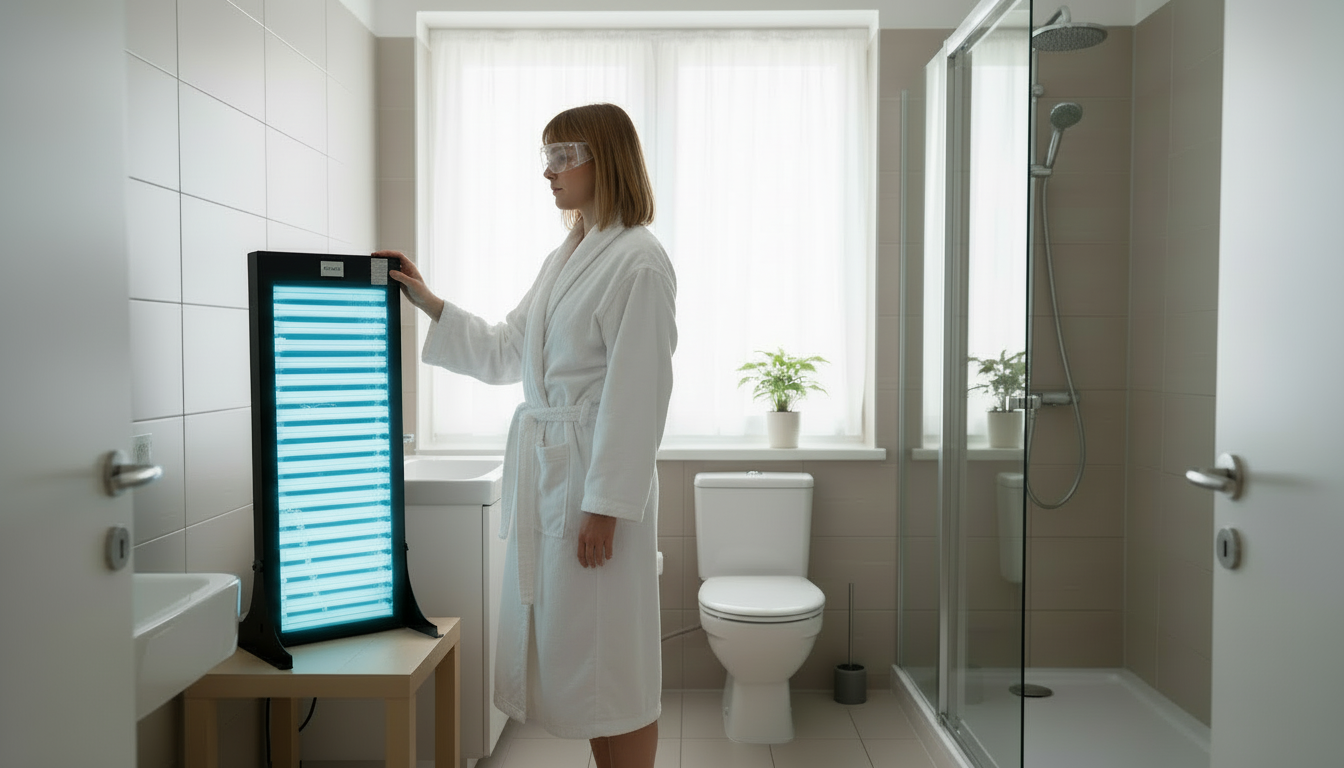
Using a medical device at home for the first time can feel a little intimidating, but it’s designed to be straightforward and safe when you follow the instructions. Because phototherapy uses UV light, it’s essential to protect your skin from overexposure, which can cause serious burns similar to a sunburn. Your doctor will give you precise instructions on exposure times—stick to them carefully.
It’s also crucial to talk with your physician about all medications you’re taking, including over-the-counter drugs and supplements, as some can make your skin more sensitive to light. If you start a new medication during your treatment course, be sure to let your doctor know right away. Following these simple safety steps will help you get the full benefits of your therapy without any setbacks.
Setting Your Treatment Schedule and Expectations
Consistency is everything when it comes to light therapy. For the treatment to work well, you need to stick to a regular treatment schedule. Most providers recommend starting with sessions three times a week on non-consecutive days, like Monday, Wednesday, and Friday. This routine allows your skin to benefit from the light while also giving it time to rest and recover between sessions.
It’s also helpful to set realistic expectations. Light therapy is a gradual process, not an overnight fix. Some people notice improvements within a few weeks, while for others, it may take a couple of months. Patience and consistency are your best tools. By committing to the schedule your doctor prescribes, you give your body the best chance to respond to the treatment and achieve lasting results.
The Importance of Follow-Up Care
At-home phototherapy doesn’t mean you’re on your own. Regular check-ins with your healthcare provider are a critical part of your treatment plan. These appointments allow your doctor to monitor your progress, adjust your exposure times as needed, and make sure you’re getting the best possible results. Think of your provider as your co-pilot, helping you fine-tune your approach along the way.
This ongoing partnership is essential for optimizing your care and managing any potential side effects. Before you even begin, it’s important to discuss all the potential risks and benefits with your doctor. This open communication ensures you feel informed and supported throughout your journey with these innovative treatment options. Consistent follow-up care is the key to making your at-home phototherapy both safe and successful.
Related Articles
- Phototherapy Definition: A Guide to Light Therapy
- Phototherapy – Safe & Effective Treatment for Psoriasis & Eczema
- Autoimmune Disease and Innovative Treatment Options – Cytokind
- Phototherapy Bed: Your Ultimate 2025 Guide
Frequently Asked Questions
How is medical phototherapy different from using a tanning bed? This is a great question because the two are fundamentally different. A tanning bed uses a broad spectrum of UVA and UVB light with the goal of tanning the skin. Medical phototherapy uses a very specific, isolated wavelength of light called Narrowband UVB. This precise light is used as a medical treatment to calm an overactive immune system and reduce inflammation, not for cosmetic purposes. Think of it as a targeted medical tool versus a blunt cosmetic one.
How long does a typical treatment session last? You’ll likely be surprised by how quick the sessions are. When you first start, a treatment might only last for 30 seconds. Your healthcare provider will create a schedule for you that gradually increases the exposure time as your skin adapts. The goal is to deliver a therapeutic dose of light efficiently, making it easy to fit into your daily routine.
Are there any side effects I should know about? The most common side effects are mild and temporary, such as redness or itching in the treated area, similar to a very light sunburn. Following the treatment times prescribed by your doctor is the best way to minimize these effects. It’s also important to discuss any medications you’re taking with your provider, as some can make your skin more sensitive to light.
Do I need to do anything special to prepare for a treatment session? Preparation is simple. You’ll want to make sure the skin being treated is clean, dry, and free of any lotions, oils, or perfumes, as these can interfere with the light or cause a reaction. Most importantly, you will need to wear the protective UV-blocking goggles that come with your device during every single treatment to keep your eyes safe.
How long will it take before I start to see results? Patience and consistency are your best friends with light therapy. This isn’t an overnight fix; it’s a gradual process of calming your immune system. While some people may begin to see improvements in their symptoms within a few weeks, it can take a couple of months for others. Sticking to the treatment schedule prescribed by your provider gives you the best chance at achieving lasting results.