Living with an autoimmune condition often means looking for proactive ways to manage your health. When you decide to incorporate at-home phototherapy into your routine, you’re choosing to play an active role in your own care. This is a significant step, and the most important part is ensuring you have the right tool for the job. The market is full of options, and knowing what to look for is key to making a confident choice. This guide is designed to walk you through the essential features of high-quality clinical phototherapy equipment, from safety certifications to dosage controls, so you can feel empowered in your treatment journey.
Key Takeaways
- Think of phototherapy as a targeted conversation with your immune system: It uses a very specific wavelength of light, like Narrowband UVB, to help calm the overactive response and systemic inflammation that drive many autoimmune symptoms.
- Prioritize medical-grade equipment for at-home treatment: For your therapy to be safe and effective, choose an FDA-cleared device with essential features like precise dosage controls and safety locks. This ensures you can follow your doctor’s plan with confidence.
- Work with your doctor to create a practical plan: A prescription is required for clinical phototherapy, and it’s your first step toward getting the right equipment and seeking insurance coverage. This partnership ensures your treatment is personalized, safe, and fits your lifestyle.
What is Clinical Phototherapy and How Does It Work?
If you’re exploring treatments for an autoimmune condition, you’ve likely come across phototherapy. Put simply, clinical phototherapy is a medical treatment that uses specific wavelengths of light—typically ultraviolet (UV) light—to manage health conditions. It’s not the same as sitting in the sun or using a SAD lamp; this is a highly controlled therapy administered with specialized medical equipment.
The process works by exposing the skin to carefully measured doses of light. This light penetrates the skin and has a direct effect on the cells involved in your body’s immune response. For skin-related conditions, it can help slow down the rapid growth of skin cells. More broadly, it works to reduce the inflammation that is a hallmark of so many autoimmune diseases. Think of it as a targeted way to communicate with your immune system, encouraging it to calm down and find a better balance. Because it’s a medical treatment, it requires guidance from a healthcare provider to ensure it’s done safely and effectively.
How Light Therapy Calms the Immune System
At the heart of many autoimmune conditions is an immune system that’s gone into overdrive, mistakenly attacking your own body and creating chronic inflammation. Light therapy steps in to help regulate this process. The specific wavelengths of light used in phototherapy can influence your body’s production of cytokines, which are proteins that act as messengers for your immune system.
By adjusting these signals, light therapy helps dial down the inflammatory response. This can lead to a significant reduction in symptoms like skin irritation, joint pain, and even systemic fatigue. It’s a way of working with your body to restore balance, rather than suppressing the entire immune system. This targeted approach is what makes it one of the more compelling innovative treatment options for those looking for relief without the side effects of some systemic drugs.
What Conditions Can Phototherapy Help?
Phototherapy has a long and successful track record in dermatology. For decades, it’s been a go-to treatment for skin conditions like psoriasis, eczema (atopic dermatitis), and vitiligo. For these conditions, the light works directly on the skin cells to slow their growth and reduce the inflammation that causes plaques, itching, and discoloration. Many people have found lasting relief for their skin symptoms through consistent phototherapy treatments.
Beyond the skin, research is showing just how powerful this therapy can be for other autoimmune conditions where systemic inflammation is the primary driver. It’s being explored as a promising therapy for conditions like Multiple Sclerosis (MS), Long Covid, and Chronic Fatigue Syndrome, where calming the body’s inflammatory response is key to managing symptoms and improving quality of life.
Why It’s a Promising Option for Autoimmune Conditions
Living with an autoimmune condition often means weighing the benefits of a medication against its potential side effects. This is where phototherapy truly shines. As a non-invasive treatment, it offers a way to manage your condition with a lower risk of the systemic side effects that can come with oral or injectable medications. The therapy is targeted, meaning it works on the specific immune cells in the skin without having to circulate through your entire body.
This makes it an excellent option for people who want to complement their current treatment plan or are looking for alternatives that are gentler on the body. For many, it provides a sense of control and a proactive way to manage their health. By directly addressing inflammation, it helps get to the root of the problem, offering a sustainable path toward feeling better.
What Are the Different Types of Phototherapy Equipment?
Once you and your doctor decide that phototherapy is the right path, the next step is figuring out which type of equipment fits your needs. The world of light therapy includes several different technologies and device styles, each designed for specific conditions and situations. Understanding these options will help you have a more informed conversation with your care provider about your treatment plan. The main differences come down to the type of UV light used, the size of the treatment area, and whether you’ll be doing your treatments at a clinic or in the comfort of your own home.
Think of it like choosing any other kind of medical equipment—the best one for you depends on your specific diagnosis, lifestyle, and your doctor’s recommendations. Some devices use a very precise wavelength of light to target inflammation, while others use a broader spectrum. You’ll also find equipment designed to treat small, localized patches of skin, as well as full-body units for more widespread conditions. Finally, you’ll need to consider the setting. Do you prefer the convenience of treating yourself at home on your own schedule, or would you feel more comfortable under the direct supervision of a professional in a clinic? Let’s walk through the most common types so you can see what’s available.
Narrowband UVB (NB-UVB) Devices
Narrowband UVB is one of the most common and effective types of phototherapy available today. These devices emit a very specific, narrow range of ultraviolet B (UVB) light. Think of it as a highly targeted treatment that isolates the most beneficial wavelengths of light for calming the immune system and reducing inflammation, without exposing you to the less helpful ones. This precision is why NB-UVB is often preferred for treating autoimmune conditions affecting the skin, like psoriasis and eczema. It has a strong track record of success and generally comes with a lower risk of side effects compared to older light therapies, making it a go-to choice for many doctors and patients.
Broadband UVB and PUVA Equipment
Before narrowband UVB became the standard, broadband UVB was the primary option. As the name suggests, it uses a wider, less-focused spectrum of UVB light. While it can still be effective for various skin conditions, the broader range of wavelengths means a higher potential for side effects like skin redness or burning. Another type of treatment you might hear about is PUVA, which stands for Psoralen + UVA. This is a more intensive therapy that combines a light-sensitizing medication (psoralen) with UVA light. Because of its intensity and potential for side effects, PUVA is typically reserved for more severe or stubborn conditions and requires careful medical supervision.
Targeted vs. Full-Body Units
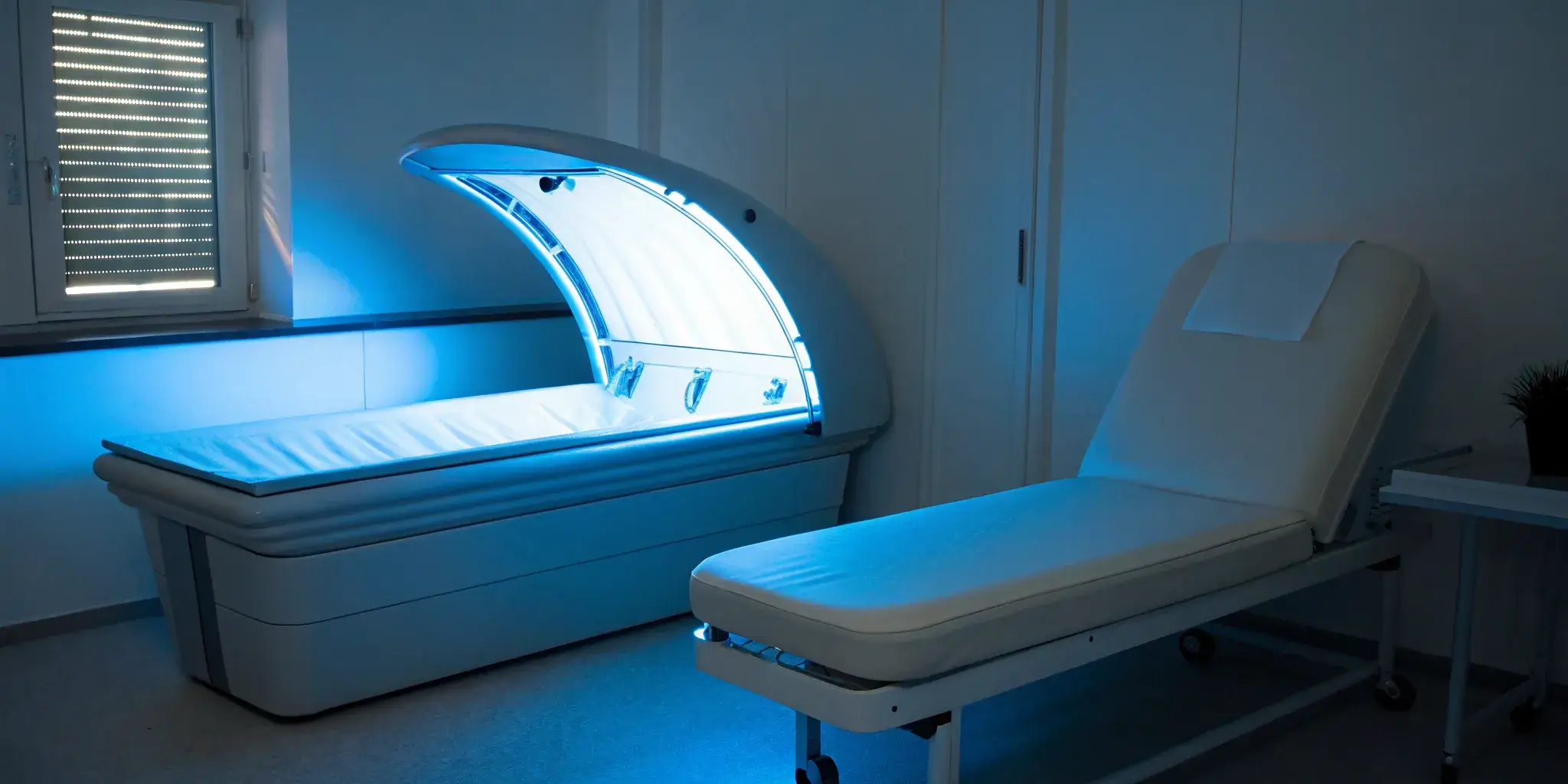
Phototherapy equipment also comes in different sizes to match your treatment needs. If your condition affects small, specific areas—like your hands, feet, or a few patches on your body—a targeted device is a great option. These are smaller, handheld units or panels that allow you to focus the light exactly where you need it. On the other hand, if your condition is widespread, a full-body unit is more practical. These are larger panels or walk-in booths that can treat your entire body at once. Choosing between targeted phototherapy devices and full-body units depends entirely on how much of your body needs treatment and what your doctor prescribes.
At-Home vs. In-Clinic Devices
Convenience is a huge factor in sticking with a treatment plan, which is why at-home phototherapy is such a popular choice. Home phototherapy units allow you to get consistent treatment without frequent trips to the doctor’s office. These devices are prescribed by your doctor, who will provide a clear treatment schedule for you to follow safely. In-clinic devices are another option, and they are often more powerful, which may lead to quicker initial results. Clinic treatments also happen under the direct supervision of a medical professional. The best choice depends on your condition, your doctor’s recommendation, and what works best for your lifestyle.
Key Features to Look for in Phototherapy Equipment
When you’re ready to invest in phototherapy equipment, it’s important to know what separates a high-quality medical device from a simple light box. The right features ensure your treatment is not only effective but also safe and easy to manage. Think of it like choosing any other important tool for your health—the details matter. From the specific type of light it emits to its built-in safety controls, every component plays a role in your treatment outcome. Looking for these key features will help you and your doctor choose a device that truly fits your therapeutic needs and gives you confidence in your at-home care plan.
Precise Wavelengths and Accuracy
Not all light is created equal. Different wavelengths of light have unique effects on the body, which is why precision is the most important feature of any therapeutic device. For autoimmune conditions, you need equipment that delivers a very specific wavelength, like narrowband UVB, to achieve the desired calming effect on the immune system. A device that emits a broad or inaccurate spectrum of light won’t be effective and could even be harmful. When researching equipment, confirm that it is calibrated to deliver the exact wavelength prescribed by your doctor. This accuracy is what makes clinical phototherapy a targeted and reliable treatment.
Treatment Area and Adjustable Settings
Your condition and treatment goals will determine the type of device you need. Do you need to treat small, specific areas, or is your condition more systemic, requiring a full-body approach? Phototherapy equipment ranges from small, handheld units to larger panels that can treat your entire body at once. Many people find that home phototherapy is a more convenient and sustainable option for long-term management. Look for equipment with adjustable settings, which allow you and your provider to customize the intensity and duration of your sessions. This flexibility ensures your treatment can adapt with you as your needs change over time.
Built-In Safety Features
Safety should always be a top priority, especially when you’re managing treatments at home. Reputable phototherapy equipment comes with several built-in safety features to protect you and your family. One of the most important is a key-locked switch, which prevents children or other unauthorized users from turning the device on. Other essential features include automatic shut-off timers that end the session at the prescribed time to prevent overexposure, sturdy construction to prevent tipping, and controlled operating temperatures. These features provide peace of mind, allowing you to focus on your treatment without worry.
Accurate Timers and Dosage Controls
In phototherapy, dosage is everything. The effectiveness of your treatment hinges on receiving the precise amount of light energy prescribed by your healthcare provider. Too little light won’t produce results, while too much can damage your skin. That’s why a high-quality device must have an accurate, integrated digital timer. This allows you to set the exact treatment time down to the second, ensuring consistent and safe dosing with every session. These dosage controls are what enable your doctor to create a specific protocol for you to follow, taking the guesswork out of your hands and making your treatment both simple and effective.
FDA Clearance and Medical Certifications
When you’re looking for a medical device, perhaps the most critical feature to verify is FDA clearance. This certification means the U.S. Food and Drug Administration has reviewed the equipment and confirmed it is safe and effective for its intended medical use. Unregulated devices sold online may make appealing claims, but without this oversight, they offer no guarantee of safety, accuracy, or effectiveness. The FDA regulates these devices to protect patients from potentially harmful products. Always choose equipment that is explicitly listed as FDA-cleared to ensure you’re investing in a legitimate medical tool that meets rigorous standards.
Common Myths About Phototherapy, Debunked
When you’re exploring new treatment options, it’s easy to run into conflicting information. Phototherapy is a well-established medical treatment, but myths and misunderstandings are still common. Let’s clear up a few of the biggest misconceptions so you can feel confident in your conversations with your doctor. By separating fact from fiction, you can better understand how clinical phototherapy works and if it might be the right fit for you.
Myth: All Light Therapy Is the Same
One of the most common myths is that all light is created equal. You might see ads for red light masks, infrared saunas, or “happy lamps” for seasonal affective disorder and assume they all work the same way. In reality, different types of light have unique wavelengths that interact with the body in very specific ways. Clinical phototherapy for autoimmune conditions typically uses a precise wavelength of ultraviolet B (UVB) light called narrowband UVB. This specific band of light has been studied for decades for its ability to calm an overactive immune response, which is very different from the broader spectrum of light used in a tanning bed or the visible light from a skincare device.
Myth: It Isn’t Safe
It’s completely understandable to question the safety of any treatment involving ultraviolet light. We’re all taught to be careful in the sun, after all. However, clinical phototherapy is not the same as sunbathing or using a tanning bed. Medical phototherapy devices are designed to deliver a very specific, therapeutic wavelength of light in controlled, timed doses. This process harnesses safe wavelengths to achieve a therapeutic effect without the risks associated with broad-spectrum sun exposure. Plus, legitimate phototherapy equipment is FDA-cleared and requires a prescription, ensuring that you’re using it correctly under the guidance of a healthcare provider who can monitor your progress and adjust your treatment plan as needed.
Myth: You’ll See Results Overnight
While we all wish for a quick fix, phototherapy is a process that requires consistency and patience. Just like starting a new medication or fitness routine, it takes time for your body to respond. How quickly you see results can vary from patient to patient and depends on your specific condition, the severity of your symptoms, and your adherence to the treatment plan your doctor prescribes. Some people may notice improvements in a few weeks, while for others it might take a couple of months. The key is to stick with your prescribed schedule and communicate openly with your doctor about your progress.
Myth: At-Home Devices Are Just as Good as Clinical Ones
This myth is a bit tricky because it’s half-true. There’s a huge difference between a consumer-grade light therapy gadget you can buy online and an FDA-cleared, prescription-strength device designed for home use. While a trip to the clinic provides treatment with powerful machines, it isn’t always practical or affordable. High-quality, medical-grade home units can be an excellent alternative, offering the same specific wavelengths and safety features as clinical equipment. In fact, studies show that home phototherapy is often more convenient and less costly than in-office treatments. The most important thing is that you’re using a prescribed, FDA-cleared device under a doctor’s supervision.
A Look at Leading Phototherapy Brands
When you start looking into phototherapy, you’ll find a handful of brands that consistently come up. Each has a slightly different focus, whether it’s designing equipment for a large clinic or a small apartment. Getting to know the key players can help you and your doctor decide which type of device is the right fit for your treatment plan. Here’s a look at some of the leading names in phototherapy and what makes them stand out.
Cytokind: A Specialized Focus on Autoimmune Health
Cytokind is dedicated to providing innovative treatment options for people with autoimmune conditions. While they offer solutions for chronic skin issues like psoriasis and eczema, their research also explores how light therapy can help with the systemic inflammation and fatigue tied to conditions like MS and Long Covid. They design their equipment to deliver targeted light therapy that helps calm the immune system and improve patient outcomes. Because their devices are specialized medical equipment, understanding how they fit into insurance plans, including Medicare coverage for UV light therapy, is a key step for many patients.
Phothera: For In-Clinic Treatments
Phothera is a go-to brand for dermatology clinics and hospitals. They offer a range of powerful, professional-grade clinical phototherapy solutions, including large full-body systems like the Phothera Pro 4800 Max. These units are built for high-traffic clinical environments where healthcare professionals treat multiple patients a day for conditions such as psoriasis, eczema, and vitiligo. Their equipment is known for its clinical efficacy and reliability, making it a trusted choice for dermatologists who need precise and consistent treatment delivery for their patients.
Solarc Systems: For At-Home Use
For many people, traveling to a clinic multiple times a week for treatment isn’t practical. Solarc Systems addresses this by specializing in home UVB phototherapy equipment. Their devices are designed to be safe, effective, and convenient for patients who need ongoing care in the comfort of their own homes. This accessibility makes it easier to stick with a consistent treatment schedule. A major benefit is that their devices are often covered by employee health insurance plans, which can make at-home treatment a more affordable option for managing chronic skin conditions long-term.
XTRAC: Laser-Based Options
XTRAC stands out by using excimer laser technology to deliver highly targeted phototherapy. Instead of treating a large area, the XTRAC laser can focus a concentrated beam of UVB light directly onto affected skin, like psoriasis plaques, without exposing the surrounding healthy skin. This precision allows for higher doses of light, which can lead to faster results. The system uses safe wavelengths of UVB light to effectively slow skin cell growth and clear plaques. This targeted approach makes XTRAC a leading choice for patients and doctors looking for an aggressive and efficient treatment.
Dermalux and InMode: Other Systems to Know
Dermalux and InMode are two other notable brands making waves in the phototherapy world. They are known for developing advanced systems that use different wavelengths of light for a variety of dermatological and aesthetic applications. Both companies prioritize innovative technology and patient safety, designing their equipment to deliver effective treatments while minimizing potential side effects. As the field continues to grow, they are among the many commercially available phototherapy devices gaining popularity with practitioners and patients who are looking for the latest advancements in light-based therapy.
Breaking Down the Costs and Insurance Coverage
Let’s talk about one of the most important factors in any healthcare decision: the cost. Understanding the financial side of phototherapy can help you and your doctor make the best choice for your treatment plan. The price of equipment, insurance coverage, and associated fees can feel overwhelming, but breaking it down makes it much more manageable. The goal is to find a solution that is not only effective for your health but also sustainable for your wallet. From the initial investment in a device to navigating insurance claims, having a clear picture of the expenses involved is the first step toward getting the care you need without financial surprises.
How Much Does the Equipment Cost?
When you look at the numbers, the difference between in-office and at-home treatments is pretty stark. A year of consistent in-office phototherapy sessions can average around $21,000. In contrast, purchasing an at-home unit is a one-time investment that typically costs about $4,500 for the first year. While that’s a significant upfront expense, owning your own device can save you a substantial amount of money over time. Plus, you gain the convenience of treating yourself on your own schedule, without the need to travel to a clinic multiple times a week.
Will Insurance Cover Phototherapy?
This is the big question for many people, and the short answer is: it often does, but it depends on your plan. The good news is that many health insurance plans cover some or all of the cost of home UVB phototherapy equipment. You’ll likely need to provide thorough documentation from your doctor, but it’s definitely worth pursuing. For example, Medicare often covers 80% of the cost after you’ve met your deductible. Private insurers usually cover between 70% and 80%. Your best first step is to call your insurance provider directly to understand your specific benefits.
Understanding Prescription and Consultation Fees
The price of the equipment isn’t the only expense to keep in mind. You’ll also need to factor in the cost of consultations with your doctor to get a prescription and create a safe, effective treatment plan. Without insurance, a single visit to a specialist can range from $50 to $200. These appointments are essential for getting started and monitoring your progress, so be sure to include them in your budget when planning for your phototherapy treatment. These visits ensure your treatment is tailored to your specific needs and adjusted as necessary.
Comparing the Annual Cost: At-Home vs. In-Office
When you put it all together, at-home phototherapy often comes out ahead as the more affordable and convenient option for long-term care. The average annual cost is significantly less than frequent in-office visits. Compared to other systemic treatments like biologics, which can run into the tens of thousands of dollars each year, at-home light therapy presents a more financially sustainable path for managing your health. It’s one of the reasons it’s becoming such a popular innovative treatment option for people living with chronic autoimmune conditions.
How to Choose the Right Phototherapy Equipment
Selecting the right phototherapy equipment can feel like a big decision, but it’s a powerful step toward taking control of your health. The best device for you will fit your specific medical needs, your home, and your lifestyle. Think of this process as a partnership between you and your doctor. Together, you can find a solution that helps you manage your symptoms effectively and safely. The goal is to find a unit that you can use consistently, as that’s the key to seeing real results. We’ll walk through the essential steps to consider, from defining your treatment goals to setting up your safety plan, so you can feel confident in your choice.
Define Your Condition and Treatment Goals
Before you start looking at devices, get clear on what you want to achieve. Your specific autoimmune condition and your personal health goals will determine the type of phototherapy you need. For example, if you have psoriasis, you might be looking for a treatment that slows the growth of skin cells and reduces plaques. For other autoimmune conditions, the goal might be to reduce systemic inflammation or calm an overactive immune response. Talk with your doctor about your primary symptoms. Are you trying to manage skin flare-ups, joint pain, or fatigue? Having a clear answer will help you and your provider select the most effective type of innovative treatment.
Consider Your Space and Lifestyle
Now for the practical side of things. Phototherapy equipment comes in all shapes and sizes, from full-body panels to smaller, handheld units. Take a look at your home and decide where you could realistically set up and use your device. Do you have a dedicated space for a larger unit, or would a more compact device be a better fit? You should also think about your daily routine. Consistency is crucial for phototherapy, so choose a device that’s easy to access and use. Many modern home phototherapy units also come with important safety features, like key-locked switches to prevent accidental use, which is especially important if you have children at home.
Work With Your Doctor to Get a Prescription
Clinical-grade phototherapy isn’t something you can just buy online without medical guidance. You’ll need to work with your doctor to get a prescription for the right device. This is a crucial safety measure that ensures phototherapy is the right choice for your condition and that you’re using it correctly. A prescription is also often a requirement for insurance coverage. Many health insurance plans will help cover the cost of at-home equipment, but they typically require detailed documentation from your healthcare provider. Your doctor can help you with the necessary paperwork and write a letter of medical necessity to support your claim.
Create Your Treatment Plan and Safety Protocols
Once you have your equipment, your doctor will help you create a personalized treatment plan. This isn’t a one-size-fits-all approach. Your plan will outline the exact dosage, duration, and frequency of your sessions. Following this plan is essential for getting results while protecting your health. Safety is paramount, and that includes always using proper eye protection during every session. Your doctor will also guide you on other safety measures, like how to monitor your skin for any reactions and the importance of keeping a detailed treatment log. This structured approach ensures you can perform your treatments at home with confidence and peace of mind.
Related Articles
- Phototherapy Definition: A Guide to Light Therapy
- Phototherapy – Safe & Effective Treatment for Psoriasis & Eczema
- 4 Best Light Therapy Devices for Autoimmune Disease
- Phototherapy Meaning: What It Is & How It Works
Frequently Asked Questions
Is clinical phototherapy the same as using a tanning bed? Not at all. Think of it as the difference between a prescription medication and a random supplement. Tanning beds use a broad, uncontrolled spectrum of UV light designed to tan the skin, which isn’t therapeutic and comes with serious risks. Clinical phototherapy uses a very specific, narrow wavelength of light that has been proven to calm the immune system. It’s a precise medical treatment delivered in carefully timed doses prescribed by your doctor.
Do I really need a prescription to get a phototherapy device? Yes, and this is a non-negotiable for your safety. A prescription ensures that a healthcare provider has determined this treatment is appropriate for your specific condition. Your doctor will create a personalized plan with the correct dosage and frequency to make sure your treatment is both effective and safe. It’s also the only way to get an FDA-cleared medical device, which is essential for ensuring the equipment is accurate and reliable.
How long will it take before I see any improvement? This is a process that requires patience and consistency. While some people may start to notice a reduction in their symptoms within a few weeks, it can take a couple of months for others to see significant changes. The timeline depends on your specific condition, its severity, and how closely you follow the treatment plan your doctor sets for you.
Does the treatment hurt? The treatment itself is painless. Most people feel a gentle warmth on their skin during a session, but it shouldn’t feel hot or uncomfortable. Proper phototherapy is designed to be a comfortable experience. If you ever feel any discomfort or significant skin redness, it’s important to let your doctor know so they can adjust your treatment time.
What’s the main difference between treating at home versus in a clinic? The biggest difference is convenience. In-clinic treatments involve powerful equipment supervised by a medical professional, but they require you to travel to an office several times a week. At-home units allow you to get the same effective therapy on your own schedule, which makes it much easier to stay consistent with your treatment plan over the long term. Both approaches use prescribed, medical-grade technology to achieve results.