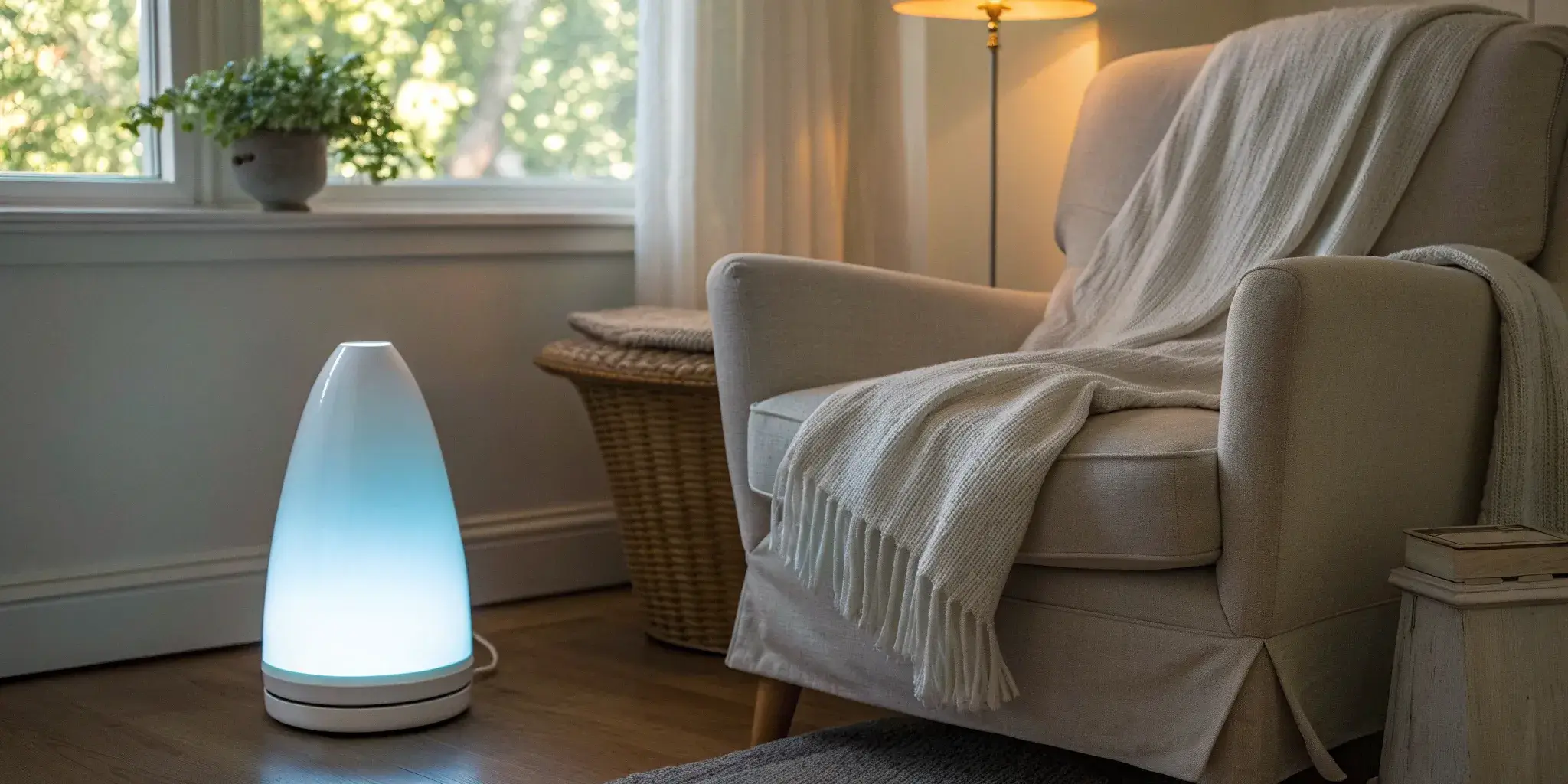
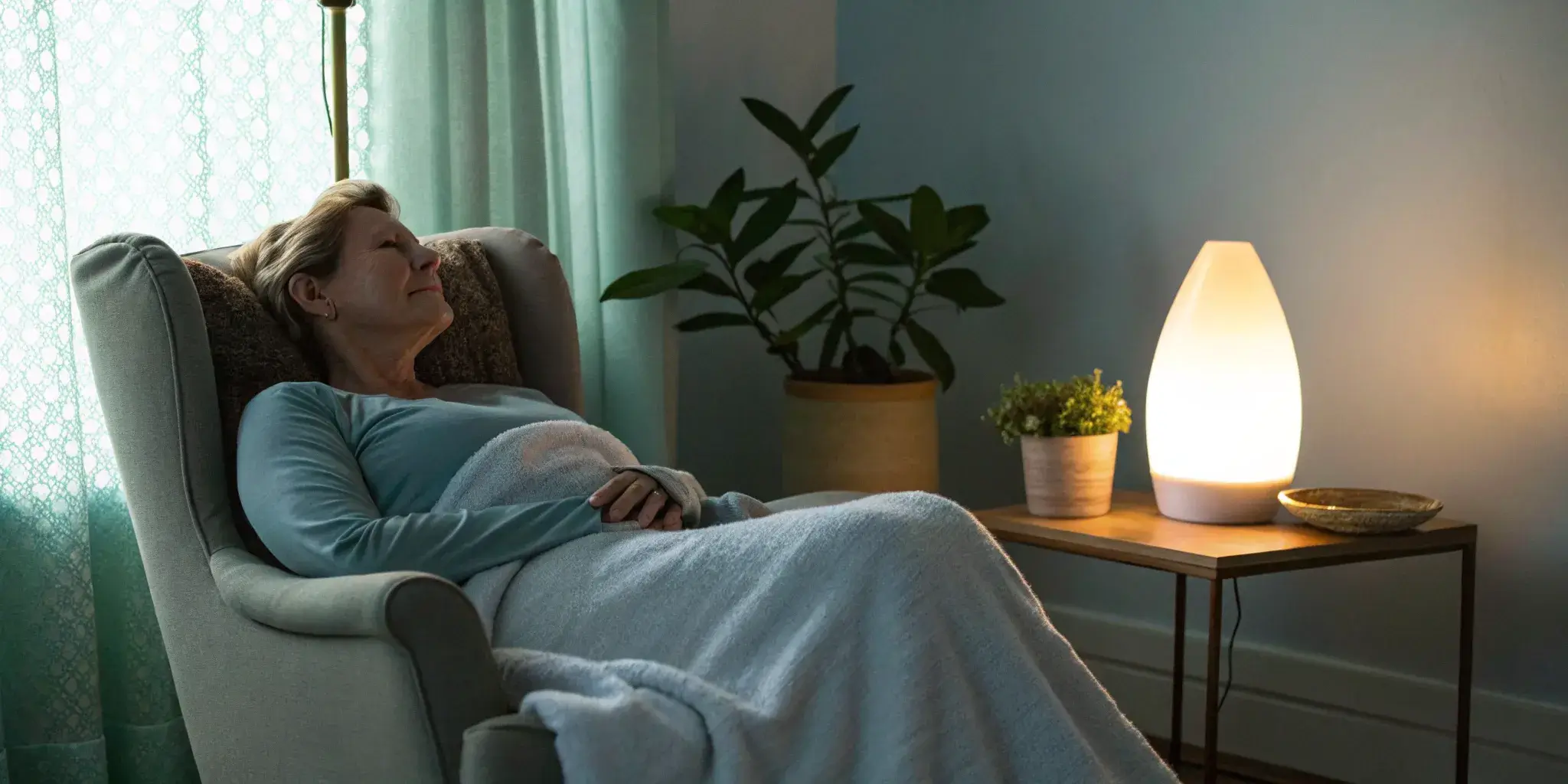
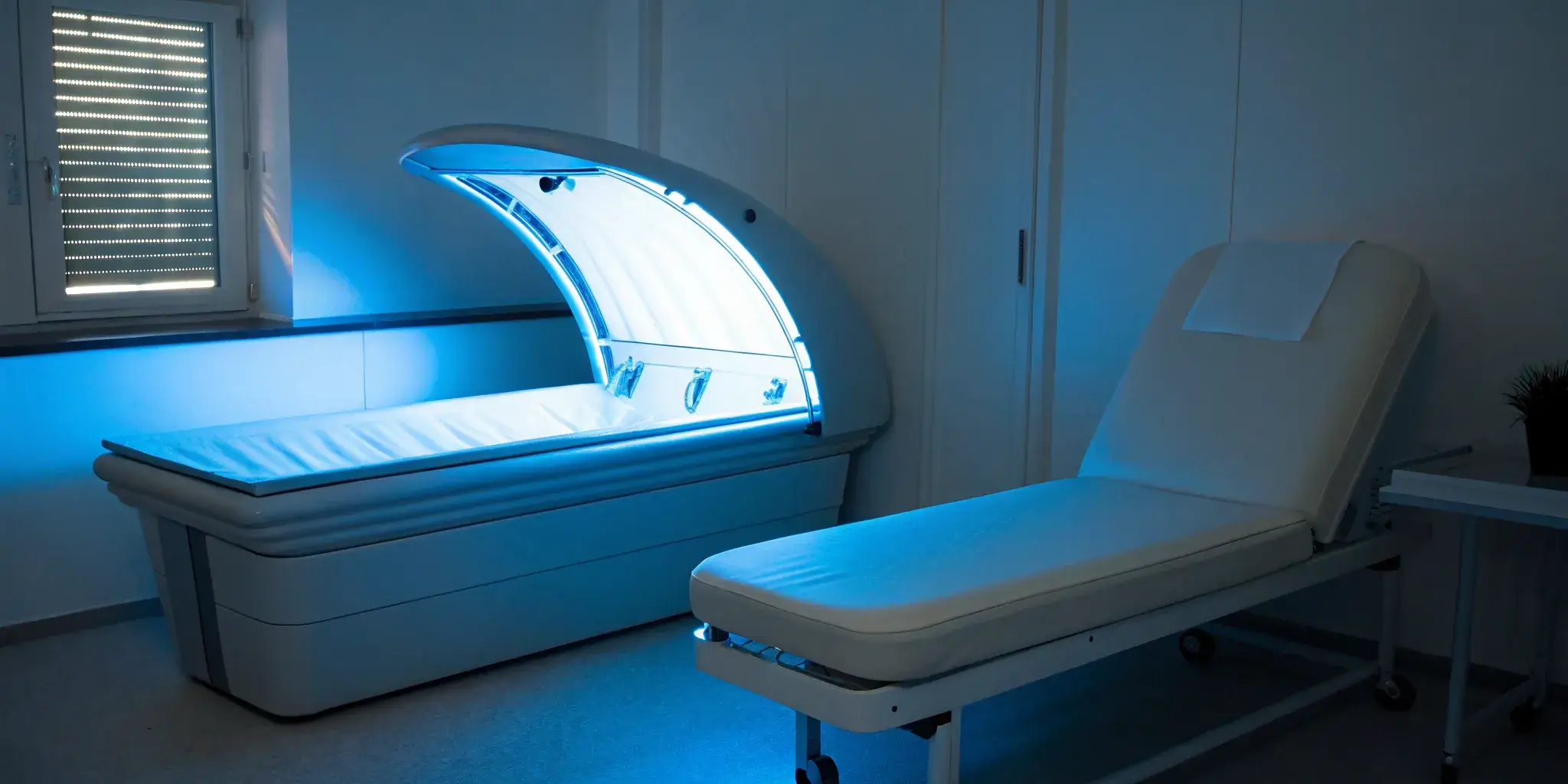
For decades, phototherapy has been a trusted treatment in dermatology for managing skin conditions like psoriasis and eczema. But its benefits go much deeper than the skin’s surface. The real power of this therapy lies in its ability to address systemic inflammation, which is the driving force behind many autoimmune diseases. By using targeted light to gently calm the body’s immune response, it helps address the cause, not just the effect. This is why it’s becoming an important option for conditions like Multiple Sclerosis and Long Covid. This article explains how this innovative treatment works and provides everything you need to know before you decide to buy a prescription phototherapy lamp.
Key Takeaways
- Target Inflammation with Prescribed Light: A prescription phototherapy lamp is a medical device, not a tanning bed. It uses a specific, controlled wavelength of light, like narrowband UVB, to calm your immune system and reduce inflammation under a doctor’s guidance.
- A Prescription is Your First Step to Safe Treatment: To get an at-home phototherapy lamp, you must talk to your healthcare provider. They will confirm it’s right for you, write a prescription, and help you with insurance coverage, ensuring your treatment is medically supervised.
- Consistency and Safety Lead to the Best Results: Phototherapy is a gradual process that requires sticking to your prescribed schedule. For effective treatment, always use UV-blocking eye protection, maintain the correct distance from the lamp, and keep your doctor updated on your progress.
What is a Prescription Phototherapy Lamp?
A prescription phototherapy lamp is a medical device that uses specific wavelengths of light to treat health conditions. Think of it as a highly targeted and controlled dose of light, prescribed by your doctor to help manage your symptoms. Unlike the lamps you might buy for seasonal affective disorder or a tanning bed, these devices are FDA-cleared for medical use. They work by exposing your skin to a very specific type of ultraviolet (UV) light under medical supervision. This process can help calm an overactive immune response, reduce inflammation, and slow the rapid growth of skin cells associated with certain conditions.
These lamps are not a one-size-fits-all solution. Getting one requires a prescription because the type of light, the duration of exposure, and the frequency of treatment need to be carefully tailored to your specific health needs. Your healthcare provider will determine the right protocol for you, ensuring the treatment is both safe and effective. This medical oversight is what distinguishes a prescription device from a simple wellness gadget and makes it a powerful tool for managing chronic conditions.
How Narrowband UVB Light Therapy Works
One of the most common and effective types of phototherapy is Narrowband UVB (NB-UVB). This treatment uses a very small part of the UVB spectrum, which has been found to be the most beneficial for treating skin and autoimmune conditions. NB-UVB is often preferred because it delivers powerful results with fewer potential side effects. In fact, many find it provides the same benefits as older UVA treatments but without the need for photosensitizing medications.
Your treatment plan will be unique to you. A typical schedule might involve sessions two to three times a week, with exposure times gradually increasing as your skin adapts. The goal is to find the perfect dose that helps your condition without irritating your skin. It’s a safe and effective treatment option that has helped many people find relief.
The Science Behind Phototherapy Treatment
So, how does light actually do all of this? Phototherapy uses ultraviolet (UV) light, which is a natural component of sunlight, to create a therapeutic effect. The specific wavelengths in NB-UVB work by penetrating the skin and slowing down the growth of affected skin cells that contribute to conditions like psoriasis. At the same time, it helps to suppress the local immune system response in the skin, which is what causes the inflammation and discomfort associated with many autoimmune issues.
A common question is whether this type of UV exposure is safe. It’s a valid concern, but research is reassuring. Unlike the broad-spectrum UV found in tanning beds, NB-UVB is a very precise wavelength. A major analysis of multiple studies concluded that there was no increased skin cancer risk associated with UVB phototherapy, making it a trusted option for long-term management.
What Conditions Can Phototherapy Lamps Treat?
Phototherapy has been a trusted treatment in dermatology for decades, but its benefits reach far beyond skin-deep issues. By using specific wavelengths of light, these medical devices can influence cellular behavior to calm inflammation and restore balance. While many people first hear about light therapy for skin conditions like psoriasis, its ability to address the body’s underlying immune response is opening doors for treating a wider range of autoimmune and inflammatory conditions. Let’s look at some of the most common and emerging uses for prescription phototherapy lamps.
Managing Psoriasis and Eczema
If you live with psoriasis or eczema, you know how frustrating the cycle of flare-ups can be. Phototherapy offers a way to break that cycle. It uses specific wavelengths of ultraviolet (UV) light to slow down the rapid growth of skin cells that causes psoriasis plaques to form. Think of it as a reset button for your skin. This approach is a safe and effective way to manage psoriasis because it harnesses UVB light to calm the skin and reduce the inflammation and itchiness associated with both psoriasis and eczema. It’s a well-established treatment that can help you find lasting relief and get back to feeling comfortable in your own skin.
Treating Vitiligo and Atopic Dermatitis
For conditions that alter skin pigmentation or cause persistent inflammation, phototherapy can be a game-changer. In cases of vitiligo, light therapy can help stimulate the cells responsible for pigment, helping skin regain its color over time. For those with atopic dermatitis, the most common form of eczema, it helps soothe the underlying inflammation that leads to red, itchy rashes. For many, home phototherapy offers a long-term, drug-free solution for managing these skin conditions. This can reduce or even eliminate the daily hassle of applying messy creams, giving you a more convenient and consistent way to manage your treatment and maintain clearer skin.
Easing Autoimmune Conditions and Systemic Inflammation
This is where phototherapy’s potential really shines. Its benefits go much deeper than the skin’s surface to address systemic inflammation, which is a root cause of many autoimmune diseases. Phototherapy works with your body’s natural systems. It uses prescribed wavelengths of light to gently calm an overactive immune response, helping to reduce the inflammation that drives these conditions. This is a fundamentally different approach from medications that only manage symptoms. By targeting the immune system directly, these innovative treatment options can help ease the burden of conditions like Multiple Sclerosis and even Long Covid, offering a path toward addressing the cause, not just the effect.
How to Get a Prescription for a Phototherapy Lamp
Getting a prescription phototherapy lamp isn’t like buying a standard lamp at the store; it’s a medical device that requires a doctor’s oversight. This might seem like an extra hurdle, but it’s a crucial safety measure. A prescription ensures that you’re using the right type of light therapy for your specific condition and that you have a professionally guided treatment plan. Your doctor will determine the correct wavelength, dosage, and schedule to help you get results while minimizing potential side effects. Without this guidance, you could risk using the wrong light intensity or duration, which could be ineffective or even harmful.
Think of the prescription process as the first step in a partnership with your healthcare provider. They will help you understand if phototherapy is a good fit and monitor your progress once you begin. This professional supervision is what makes at-home treatment both safe and effective. Plus, having a formal prescription is often necessary if you plan to seek coverage from your health insurance provider. It validates the treatment as a medical necessity, which can make a significant difference in the overall cost. The goal is to create a safe, structured approach to managing your health on your own terms, with the full support of a medical professional.
Talk to Your Healthcare Provider
The first step is to schedule a conversation with your doctor. This could be your primary care physician, a dermatologist, or a specialist who manages your autoimmune condition. Be prepared to discuss your symptoms, the treatments you’ve already tried, and why you’re interested in phototherapy. It can be helpful to bring notes or even research on how light therapy is used for conditions like yours. Explain that you understand phototherapy uses specific wavelengths of ultraviolet (UV) light to reduce inflammation and calm the immune system. This conversation opens the door to exploring a new and effective treatment path together.
What to Expect from Your Medical Evaluation
During your appointment, your doctor will conduct a thorough evaluation to see if you’re a good candidate for phototherapy. This typically includes reviewing your complete medical history, discussing your current symptoms in detail, and possibly performing a physical exam. They need to confirm your diagnosis and rule out any conditions that might make light therapy unsafe for you. Only with your physician’s guidance can you expect to see real progress and reduce potential side effects. This is why all home phototherapy devices require a prescription—it ensures your treatment plan is tailored specifically to you and your health needs.
Will Insurance Cover Your Treatment?
Many people are surprised to learn that their health insurance may cover the cost of a home phototherapy lamp. Most insurance plans will provide coverage when a doctor prescribes the device and proves it is medically necessary for your health. This often involves showing that you’ve already tried other standard treatments without success. Before moving forward, it’s a good idea to call your insurance provider and ask about their specific policies for home phototherapy equipment. Your doctor’s office can also help by submitting the required paperwork and documentation to get pre-authorization for your device, simplifying the process for you.
A Look at Top Phototherapy Lamp Brands
Once you have a prescription, your next step is to find the right device. Several reputable companies design phototherapy lamps for home use, each with a slightly different focus. Understanding these differences will help you choose the best fit for your specific condition and lifestyle. Let’s walk through a few of the top brands so you can see what’s available and know what to look for.
Cytokind Narrowband UVB Devices
Cytokind focuses on the connection between light therapy and the immune system. Our devices use specific wavelengths of narrowband UVB light designed to calm an overactive immune response, which is often the root cause of inflammation in autoimmune conditions. While this approach is highly effective for skin issues like psoriasis and eczema, it also addresses the systemic inflammation that contributes to fatigue and other symptoms. These innovative treatment options are built to support your body’s natural systems, offering a targeted way to manage your health from the comfort of home.
Solarc Systems Home Units
Solarc Systems is another well-known brand that specializes in home phototherapy devices. Their products also use narrowband UVB light and are primarily designed to treat a range of skin conditions, including psoriasis, vitiligo, and atopic dermatitis. The company puts a strong emphasis on creating user-friendly units that make it simple to administer your own treatments. If you’re looking for a straightforward, effective device for a specific skin condition, their lineup of home UVB-NB phototherapy devices is a great place to start your research.
Phothera Treatment Models
Phothera offers a variety of light-based treatment devices that are cleared for safe home use. Their product line includes different models designed to be both effective and easy to operate, which is a huge plus when you’re managing your own treatment schedule. Like other brands in this space, Phothera aims to make phototherapy more accessible by providing reliable equipment you can use without having to visit a clinic. Their focus on simple operation makes them a suitable option for anyone seeking a practical home phototherapy solution.
How to Compare Key Features
Beyond the brand, pay close attention to the design of the device itself. Effective treatment depends on getting the right amount of light on the target area. Consider the device’s size and shape—do you need a small, handheld unit for targeted spots or a larger panel for broader coverage? Think about practical features like built-in timers, adjustable stands, and clear instructions. For example, some treatments require positioning the lamp at a specific angle and distance. Understanding these practical aspects of use will help you choose a device that truly fits your therapeutic needs and is easy to use consistently.
How Much Do Prescription Phototherapy Lamps Cost?
Thinking about the cost of a prescription phototherapy lamp is a practical and important step. It’s an investment in your health, and the price can vary quite a bit depending on what you need. The final cost isn’t just about the device itself; it’s also about how you’ll use it and whether you choose an at-home unit or in-clinic treatments. Understanding the different factors at play will help you make a confident decision that fits your budget and your treatment plan.
Generally, you can expect at-home phototherapy devices to range from a few hundred dollars to several thousand. This price difference comes down to the size, power, and features of the lamp. On the other hand, visiting a clinic for treatment involves per-session fees, which can add up over time. We’ll break down these costs so you can see how they compare and figure out the best path forward for managing your condition.
A Breakdown of Costs by Device Type
When you start looking at at-home phototherapy lamps, you’ll find that prices typically range from around $300 to over $3,000. Smaller, handheld units designed for treating specific spots are usually on the lower end of that spectrum. Mid-range devices might include panels that can treat larger areas like your back or legs. The most expensive models are often full-body units that allow you to treat your entire skin surface at once. The right device for you depends entirely on your doctor’s recommendation and the specific areas you need to treat. Your provider can help you choose a model that offers the right coverage for your condition, ensuring your investment is effective.
What Influences the Final Price?
Several key factors determine the final cost of your phototherapy treatment. Beyond the type of device, the frequency of your sessions prescribed by your doctor plays a big role. Your insurance coverage is another major piece of the puzzle. Many insurance plans will cover a portion of the cost for an at-home device, but they almost always require proof that the treatment is medically necessary. This means your healthcare provider will need to submit documentation explaining why phototherapy is the right treatment for your specific autoimmune condition. It’s always a good idea to call your insurance company ahead of time to understand your benefits and any out-of-pocket expenses you can expect.
Comparing At-Home vs. Clinic Equipment Costs
Looking at the numbers can make the choice between at-home and in-clinic treatments much clearer. A single phototherapy session at a clinic can cost anywhere from $50 to $150. If your treatment plan calls for three sessions a week for several months, you could be looking at a total cost of $1,000 to $4,500. In contrast, purchasing an at-home unit is a one-time expense. While the initial investment might seem higher, it can save you a significant amount of money over the long term. This is especially true if you require ongoing therapy to manage a chronic condition, making an at-home device a more sustainable and convenient option.
What to Look For When Buying a Phototherapy Lamp
Once you have a prescription, the next step is choosing the right device. This isn’t like buying a regular lamp; it’s a medical tool tailored to your health needs. The market has a variety of options, and knowing what to look for will help you invest in a device that is safe, effective, and right for your lifestyle. From the size of the treatment area to the specific wavelength of light, every detail matters. Taking the time to understand these key features ensures you get the most out of your at-home treatment plan.
Choose the Right Device Type and Coverage Area
Phototherapy lamps are designed to treat specific parts of the body, so your first consideration should be the coverage area you need. If your condition affects large areas, a full-body panel might be the most efficient choice. For conditions concentrated on your hands, feet, or back, a mid-size device will work well. There are also smaller, handheld units designed for targeted spots, like the scalp or small patches of skin. Think about your specific treatment needs and where you plan to use the device in your home. This will help you select a model that provides effective coverage without being unnecessarily large or cumbersome for your space.
Check for Safety Features and FDA Clearance
When you’re dealing with medical equipment, safety is paramount. A reputable phototherapy lamp should be FDA-cleared, which means it has been reviewed for safety and effectiveness. This clearance is a critical benchmark that separates medical-grade devices from unverified consumer gadgets. UVB phototherapy has a long history of being a safe treatment, even for children and pregnant women, but this safety record is built on the use of properly calibrated and cleared devices. Always verify a lamp’s FDA status and look for built-in safety features like controlled exposure times and emergency shut-offs before making a purchase.
Match the Wavelength to Your Condition
Not all light is created equal, especially when it comes to therapy. The effectiveness of phototherapy depends on using the correct wavelength of light to address your specific condition. For many autoimmune and skin conditions, the most effective treatment is narrowband UVB (NB-UVB) light, which uses a very specific portion of the UV spectrum. This precise wavelength helps slow cell growth and reduce inflammation. Make sure the lamp you choose is calibrated to emit the exact wavelength prescribed by your doctor. A device that isn’t properly calibrated won’t deliver the therapeutic benefits you need and could be unsafe.
Consider Ease of Use and Maintenance
An at-home treatment is only effective if you can stick with it. A device that is complicated to set up or difficult to clean can quickly become a hassle, making you less likely to follow your treatment schedule. Look for a lamp with a user-friendly design, clear instructions, and simple controls. Home phototherapy offers a convenient, long-term solution that can reduce or even eliminate the need for messy topical creams. Choosing a low-maintenance device will make it easier to integrate treatment into your daily routine, helping you stay consistent and achieve the best possible results.
Common Myths About Phototherapy Lamps
When you’re exploring new treatments, it’s easy to run into misinformation. Phototherapy is no exception. Let’s clear the air and tackle some of the most common myths about prescription light therapy lamps. Understanding the facts can help you feel more confident when discussing this option with your doctor and deciding if it’s the right path for you.
Myth: It’s Just a Tanning Bed
This is probably the most frequent misconception, and it’s important to set the record straight. A prescription phototherapy lamp is a medical device, not a cosmetic tanning bed. The key difference is the type of light they emit. Tanning beds use a broad spectrum of ultraviolet (UV) light, primarily UVA rays, which are associated with skin aging and cancer risk. In contrast, medical phototherapy devices, like narrowband UVB lamps, use a very specific and controlled wavelength of light. This targeted approach is designed to reduce inflammation and calm an overactive immune response without the same risks as broad-spectrum UV. It’s a prescribed, provider-guided treatment you can often use from the comfort of your home.
Myth: They Aren’t Safe or Covered by Insurance
Safety is a valid concern with any medical treatment, but prescription phototherapy has a well-established safety profile when used correctly. These are FDA-cleared devices that you use under the guidance of your healthcare provider, who prescribes the exact duration and frequency of your sessions. This controlled approach minimizes risks. On the financial side, many people assume this treatment is an out-of-pocket expense, but that’s not always true. Many insurance plans cover home phototherapy when your provider prescribes it as a medically necessary treatment. It’s often approved after you’ve tried other options, so be sure to discuss your treatment history with your doctor and check with your insurance company about your specific coverage for innovative treatment options.
Myth: You’ll See Results Overnight
It’s natural to want immediate relief, but phototherapy is a gradual process that requires consistency and patience. It works by slowly changing your body’s immune response, and that doesn’t happen after one or two sessions. Just as every person’s health journey is unique, the response to phototherapy varies from patient to patient. Some people may start to see improvements in a few weeks, while for others, it might take a couple of months of regular treatments. The most important thing is to stick to the schedule your doctor prescribes. Tracking your symptoms in a journal can be a great way to see subtle progress over time and stay motivated through your treatment plan.
At-Home Phototherapy vs. In-Clinic Treatments
When your provider recommends phototherapy, you generally have two paths you can take: scheduling regular appointments at a clinic or investing in a device to use at home. Both are effective ways to administer narrowband UVB light, but they offer vastly different experiences. In-clinic treatments mean relying on a medical team to handle the equipment and dosage, which can be reassuring when you’re just starting out. However, this option requires you to build your life around a rigid appointment schedule.
On the other hand, at-home phototherapy puts you in the driver’s seat. With a prescription and guidance from your doctor, you can manage your condition on your own time. This approach is built for real life, offering the flexibility and consistency that are so crucial when you’re living with a chronic autoimmune condition. The best choice for you will depend on your lifestyle, budget, and how you want to approach your long-term health. Let’s break down the key differences to help you decide.
The Benefit of At-Home Convenience
One of the biggest advantages of home phototherapy is the sheer convenience it offers. Instead of spending time commuting to a clinic, sitting in a waiting room, and rearranging your schedule for frequent appointments, you can treat yourself whenever it fits into your day. For anyone managing fatigue alongside other symptoms, eliminating the travel and stress of appointments can be a game-changer. Thanks to modern devices, you can receive prescribed, provider-guided phototherapy from the comfort of your home. This flexibility makes it easier to integrate treatment into your daily routine, whether it’s first thing in the morning or right before bed, making your health care work for you, not the other way around.
Why Treatment Consistency Matters
Phototherapy delivers the best results when it’s done consistently. The goal is to expose your body to specific wavelengths of light on a regular basis to help calm your immune system and reduce inflammation. Missing appointments or having long gaps between sessions can slow your progress. This is where at-home treatment truly shines. By removing the barriers of travel and scheduling, it becomes much easier to stick to the treatment plan your doctor prescribed. This consistency is key to how phototherapy works, as regular exposure to UVB light helps manage the underlying processes driving your symptoms. An at-home device empowers you to maintain that steady rhythm, leading to better, more sustainable results.
Comparing Long-Term Costs and Effectiveness
While an at-home phototherapy unit requires an initial investment, it can often be the more affordable option in the long run. Think about it: each clinic visit comes with a co-pay, and these costs can add up quickly over months or years of treatment. Using an at-home device can save you money over time compared to countless clinic visits. Plus, many insurance plans recognize the value and cost-effectiveness of home treatment and will cover a significant portion of the device’s cost. When you factor in the savings on gas, parking, and time away from work, the financial benefits become even clearer. At-home devices offer the same effective treatment you’d get in a clinic, but with a structure that supports your wallet and your well-being.
How to Get the Best Results From Your Phototherapy Lamp
Once you have your phototherapy lamp, you’re ready to start treatment. But getting the best results involves more than just flipping a switch. Think of your lamp as a powerful tool that requires a consistent and careful approach. To truly benefit from at-home phototherapy, you’ll need to integrate it into your routine, prioritize safety, and stay in close communication with your healthcare provider.
Following your prescribed treatment plan is the most important step you can take. This isn’t a “more is better” situation; the specific duration and frequency your doctor recommends are designed to give you the most effective dose of light therapy while minimizing risks. By creating a simple, repeatable process for your sessions, you can ensure you’re getting the full therapeutic benefits your device has to offer. Let’s walk through a few key practices that will help you get the most out of every treatment.
Use Proper Positioning and Eye Protection
Safety and consistency are your best friends during phototherapy. Before you even turn on your lamp, make sure you’re wearing the right eye protection. The UV light used in these devices can be harmful to your eyes, so you must wear the UV-blocking goggles that come with your unit. The only exception is if you are treating a condition on your eyelids under the direct supervision of your doctor.
Proper positioning is just as important. For each session, stand or sit at the same distance from the lamp as instructed by your provider. This ensures you receive a consistent and accurate dose of light every single time. Maintaining this distance helps you get predictable results and avoid potential skin irritation from being too close.
Stick to Your Treatment Schedule
The key to seeing real change with phototherapy is consistency. You should use your device exactly as you would a prescription medication—only under the direction of your doctor and without missing doses. Your provider will create a specific schedule for you, outlining how many times per week you should have a session and for how long.
Skipping treatments or trying to make up for lost time can interfere with your progress. The therapeutic effects of light therapy build up over time, so sticking to the plan is essential for managing your condition effectively. If you have trouble remembering, try setting a recurring alarm on your phone or marking your treatment days on a calendar.
Track Your Progress and Any Side Effects
Keeping a simple log of your treatments can be incredibly helpful. Note the date, the duration of your session, and any changes you notice in your skin or overall symptoms. This record will be a valuable tool for you and your doctor to see what’s working and make any necessary adjustments to your plan.
While phototherapy is generally well-tolerated, it’s good to be aware of potential acute and long-term adverse effects. You might experience some temporary redness, dryness, or itching after a session. Be sure to track these reactions and discuss them with your provider. This open line of communication ensures your treatment remains both safe and effective as you work toward your health goals.
Related Articles
- Phototherapy Bed: Your Ultimate 2025 Guide
- Clinical NB-UVB Phototherapy: Advanced Care
- Phototherapy Treatment Protocols: A Patient’s Guide
- Home Phototherapy Systems: The Ultimate Guide
- Home Phototherapy – Cytokind
Frequently Asked Questions
Is a prescription phototherapy lamp the same as a SAD lamp or a tanning bed? Not at all. While they all use light, they are fundamentally different tools. A SAD lamp uses bright, visible light to affect your mood, while a tanning bed uses a broad spectrum of UV light, primarily UVA, for cosmetic tanning. A prescription phototherapy lamp is a medical device that uses a very specific, controlled wavelength of light—narrowband UVB—to calm your immune system and reduce inflammation. Think of it as a targeted medical treatment, not a wellness gadget or a tanning tool.
How long does it take to see results from phototherapy? Patience and consistency are key here. Phototherapy works with your body to create gradual change, so you won’t see a difference overnight. For some, improvements might start to appear within a few weeks, while for others, it could take a couple of months of regular sessions. The most important thing is to stick to the treatment schedule your doctor prescribes. Tracking your symptoms in a simple journal can help you notice the subtle but steady progress along the way.
Is it really safe to use UV light on my skin multiple times a week? This is a great question and a common concern. The safety of prescription phototherapy comes from its precision. Unlike the broad-spectrum UV rays from the sun or a tanning bed, narrowband UVB uses a very specific wavelength that has been studied for decades and is considered a safe and effective medical treatment. Because it’s a prescription device, your doctor determines the exact dose and timing to ensure you get the benefits without unnecessary risks.
Do I need to do anything special to prepare my skin for a treatment session? Yes, a little prep helps ensure your treatment is effective and safe. Your skin should be clean and dry before each session. Avoid applying any lotions, creams, or perfumes to the treatment area beforehand, as some ingredients can react with UV light and cause irritation. After your session, your doctor might recommend applying a gentle, fragrance-free moisturizer to keep your skin hydrated.
Can I use phototherapy if I’m taking other medications for my condition? This is an important conversation to have with your healthcare provider. Some medications can make your skin more sensitive to light, so it’s crucial that your doctor reviews everything you’re taking—including supplements—before you start phototherapy. They will determine if any adjustments are needed to ensure your treatment plan is both safe and effective alongside your current regimen.