Feeling empowered in your health journey often means finding treatments that fit your life, not the other way around. Home phototherapy offers that control, allowing you to manage your autoimmune condition on your own schedule. To take that step confidently, you need a clear picture of the financial commitment involved. This guide is designed to give you a transparent look at the cost of home phototherapy equipment. We’ll cover everything from device pricing and essential features to insurance coverage and financing options, helping you find an innovative treatment that puts you back in the driver’s seat.
Key Takeaways
- Look Beyond the Initial Price Tag: A home device is a one-time purchase that is often more cost-effective than years of clinic co-pays or expensive medications. You can make it more affordable by using pre-tax funds from an HSA/FSA, exploring payment plans, and working with your doctor to pursue insurance coverage.
- Choose a Medical Device, Not a Gadget: For effective and safe treatment, ensure your device is FDA-cleared and uses clinically-proven narrowband UVB (NB-UVB) technology. Non-negotiable safety features, like a digital timer, are essential for protecting your skin and getting the correct dosage every time.
- Make Consistency Your Superpower: At-home treatment delivers the same clinical results as office visits without the hassle of travel and scheduling. This convenience makes it much easier to stick to your prescribed plan, which is the most important factor for achieving lasting results.
What Is Home Phototherapy?
Home phototherapy is a way to receive prescribed light therapy treatments from the comfort and privacy of your own home. If you’ve been diagnosed with an autoimmune condition that affects your skin or causes systemic inflammation, your doctor might recommend a course of phototherapy. Traditionally, this meant multiple trips to a clinic each week to stand in a light booth. Home phototherapy changes that, bringing medical-grade treatment to you.
It’s important to know that this isn’t the same as the LED light masks you might see for cosmetic facial treatments. While those use different colored LED lights for skin care, medical phototherapy uses very specific wavelengths of light—most commonly narrowband ultraviolet B (NB-UVB)—to treat diagnosed health conditions. These are powerful, FDA-cleared medical devices that require a prescription from your healthcare provider. This ensures you get a treatment plan tailored to your specific needs, with the right dosage and frequency to manage your condition safely and effectively. It’s a convenient and powerful way to take control of your treatment schedule and integrate innovative autoimmune care into your daily life.
A Look at Different Home Devices
When you think of home phototherapy, you don’t have to picture a massive, clinical-looking machine taking over your living room. The devices are designed to be convenient for home use and come in various shapes and sizes to fit your specific needs. You can find everything from small, handheld wands perfect for treating targeted spots to mid-size panels that can cover larger areas like your back or legs. There are also full-body units available for more widespread conditions. The goal is to make treatment as simple and unobtrusive as possible, allowing you to manage your health without disrupting your life. The right device for you will depend on your doctor’s prescription and the areas you need to treat.
Conditions Treated with Light Therapy at Home
Home phototherapy has become a trusted and effective option for a growing number of autoimmune conditions, especially those affecting the skin. Narrowband UVB therapy is considered a first-line treatment for conditions like psoriasis, vitiligo, and eczema because it is safe and highly effective. For many people, it can reduce inflammation, slow down excessive skin cell growth, and help repigment the skin. Research has shown that the impact of at-home NB-UVB phototherapy can be significant, offering a reliable way to manage symptoms. Beyond these common skin diseases, researchers are actively exploring how this therapy can help with the systemic inflammation and fatigue associated with other autoimmune conditions.
How Much Does Home Phototherapy Cost?
Investing in a home phototherapy device is a significant decision, and understanding the costs involved is the first step. The price of these devices can vary widely, from a few hundred dollars to the cost of a small car. This range reflects key differences in technology, the size of the treatment area, built-in features, and most importantly, regulatory clearance. For instance, a small, handheld wand for spot treatments will naturally cost less than a full-body panel that uses clinically-proven narrowband UVB light.
When you start shopping, you’ll find the market is generally segmented into three main tiers: entry-level, mid-range, and professional-grade systems. Each tier serves a different need, from managing small, occasional flare-ups to providing consistent, widespread treatment for chronic conditions. Thinking about the long-term value and how a device fits into your daily life is just as important as the initial price tag. It’s about finding the right tool that delivers effective results safely and consistently. Knowing what to expect in each category will help you find a device that fits both your treatment needs and your budget. Let’s break down what you can expect to pay and what you get for your money at each level.
Entry-Level Devices ($200-$1,000)
In this price range, you’ll typically find smaller, handheld wands or compact panel devices. These are best suited for treating small, localized areas of the body, like patches on the hands, elbows, or scalp. Many of these entry-level units use LED technology, which can differ from the narrowband UVB light used in many clinical settings. While they offer an accessible starting point, it’s crucial to verify their effectiveness and safety for your specific condition. Some basic models can cost around $1,000, offering a simple way to begin light therapy treatment at home without a major financial commitment.
Mid-Range Narrowband UVB Units ($2,500-$7,000)
This is the sweet spot for many people seeking effective, reliable home treatment. Devices in the mid-range category often feature the same narrowband UVB (NB-UVB) technology used by dermatologists. You’ll find larger panels that can treat more significant areas like the back, legs, or torso, which is a huge time-saver. These units typically come with essential features like precise digital timers for safety and sometimes built-in light checkers to ensure consistent dosage. This category includes high-quality, FDA-cleared devices designed for regular home use, providing a great balance of performance, safety, and cost for managing chronic conditions.
Professional-Grade Systems ($7,000-$15,000+)
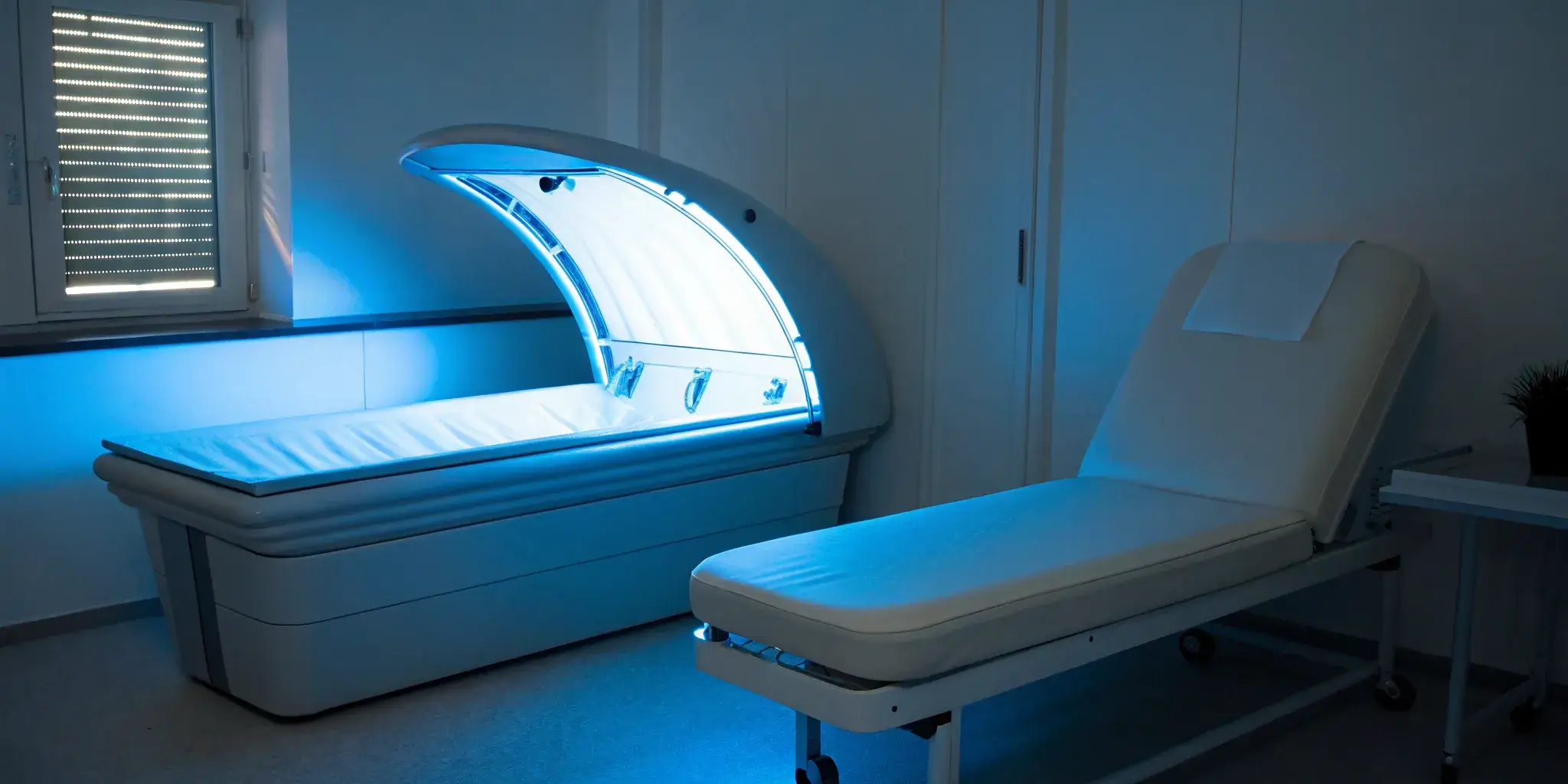
At the highest end of the market are professional-grade systems, which are essentially scaled-down versions of the phototherapy booths you’d find in a clinic. These systems are designed for extensive, full-body treatment and are ideal for individuals with widespread conditions. You can expect features like full-surround panels or dual-sided treatment to minimize time spent in front of the lights. For example, a full phototherapy booth can cost nearly $15,000. While the price is substantial, these systems offer the most comprehensive and efficient treatment available for home use, mirroring the power and coverage of professional medical equipment.
What Drives the Cost of Phototherapy Equipment?
When you start shopping for a home phototherapy device, you’ll notice a wide range of prices. It’s easy to assume that a bigger unit simply costs more, but the price tag is influenced by much more than just size. The real cost drivers are the underlying technology, the device’s treatment capacity, its regulatory status, and the safety features built into it.
Understanding these factors will help you see why a medical-grade device is a significant investment and how to choose one that’s right for your treatment needs and your budget. Think of it like buying a car—a basic model will get you from point A to B, but advanced safety features, a more powerful engine, and better engineering come at a higher price. Similarly, a phototherapy unit designed for clinical effectiveness and patient safety has components and credentials that justify its cost. We’ll break down the four key elements that determine the price of home phototherapy equipment so you can make an informed decision.
LED vs. Narrowband UVB Technology
The type of light source in a phototherapy device is one of the biggest factors in its cost. Many consumer-grade light therapy gadgets use LEDs, which are compact and energy-efficient. However, for treating many autoimmune conditions, narrowband UVB (NB-UVB) fluorescent bulbs are the clinical standard. NB-UVB is a specific, therapeutic wavelength of light that has been proven safe and effective for decades, making it a first-line treatment for conditions like psoriasis and eczema.
While the technology might seem older, the specialized bulbs and the ballasts that power them are engineered for medical precision. This established technology is backed by extensive clinical research, which contributes to the overall cost of devices that use it. Choosing between them often comes down to your specific condition and your doctor’s recommendation.
Device Size and Treatment Area
The physical size of a phototherapy unit directly impacts its price. The options range from small, handheld wands designed to treat targeted spots to larger panels or full-body cabinets that can address widespread conditions. A home phototherapy selection guide can show you the variety available.
A larger device requires more bulbs, a more robust frame, and more powerful internal components, all of which increase manufacturing costs. When choosing, consider the extent of the area you need to treat. If you’re managing small, isolated patches, a handheld unit might be sufficient and more affordable. However, if your condition affects large areas of your body, investing in a larger panel will make your treatments more efficient and effective, saving you significant time with each session.
The Importance of FDA Clearance
A crucial factor that separates medical-grade equipment from wellness gadgets is FDA clearance. This designation means the U.S. Food and Drug Administration has reviewed the device and determined it to be safe and effective for its intended medical use. The process for gaining clearance is rigorous and expensive for manufacturers, involving detailed testing, quality control, and documentation. This investment in safety and validation is reflected in the product’s final price.
While you might find cheaper, non-cleared devices online, they don’t offer the same assurance of safety or therapeutic benefit. Investing in a high-quality device ensures you’re using a tool that meets strict medical standards, giving you peace of mind and a more reliable treatment outcome.
Advanced Features and Controls
The features designed to make home phototherapy safe and simple also influence the cost. Basic units might have a simple on/off switch, but medical-grade devices include critical safety features like digital timers that automatically shut off the lights to prevent overexposure. Some advanced systems offer controlled dosing, allowing you or your doctor to program precise treatment times based on your prescription.
These controls are essential because improper use can lead to skin irritation or other side effects. Features like safety keys, controlled dosage, and user-friendly interfaces add to the manufacturing cost but are vital for using powerful light therapy at home. They ensure you can follow your treatment plan accurately and safely without constant supervision.
Comparing Top Home Phototherapy Brands
Once you have a prescription and are ready to start looking at devices, you’ll find a handful of established brands leading the way. Choosing the right company is just as important as choosing the right device, as you’ll be relying on their technology, customer support, and warranty for years to come. Each brand has a slightly different focus, so the best one for you really depends on your specific condition and treatment goals. Let’s walk through some of the top names in home phototherapy so you can get a clearer picture of what each one offers and find the perfect fit for your health journey.
Cytokind
While many brands focus exclusively on skin conditions, Cytokind is dedicated to exploring how light therapy can address the systemic inflammation and fatigue that come with a wider range of autoimmune diseases. If you’re dealing with conditions like MS, Long Covid, or Chronic Fatigue Syndrome, you know that the root cause goes far deeper than the skin. Cytokind is at the forefront of clinical research in these areas, offering innovative treatment options designed to calm the immune system from within. Their approach is ideal for patients and clinicians who feel underserved by the current standard of care and are looking for a therapy that targets the underlying immune response, not just the symptoms.
Daavlin
Daavlin is a well-known and respected name in the world of dermatology. For decades, they have been a go-to for clinicians prescribing light therapy for autoimmune skin diseases. Their devices are recognized as a safe and effective first-line treatment for conditions like psoriasis and eczema. If your primary goal is to manage a skin-related autoimmune condition, Daavlin offers a range of reliable and clinically trusted home phototherapy units. They have a long track record and a strong reputation among dermatologists, making them a solid choice for anyone focused on treating skin inflammation and lesions from the convenience of home.
SolRx
Flexibility is the name of the game with SolRx. This brand provides a comprehensive lineup of home phototherapy equipment, with a device for nearly every need and space. Their product range includes everything from small, handheld units for treating targeted spots to large, full-body panels for more widespread conditions. This variety makes it easier to find a device that fits your lifestyle and treatment protocol. Primarily focused on skin conditions like psoriasis, vitiligo, and eczema, SolRx makes it simple for patients to find the right tool for the job. Their selection guide is a helpful resource for understanding which device size and type might work best for you.
National Biological Corporation
As another long-standing leader in the phototherapy space, National Biological Corporation has built a reputation for producing dependable and effective devices. For years, they have been a trusted provider for patients managing chronic skin conditions at home. The company offers a variety of models, ensuring that patients can find a system that aligns with their prescription and personal needs. Similar to Daavlin, their primary focus is on dermatological applications, and they are a familiar name in clinics across the country. If you’re looking for a company with a deep history and a commitment to quality manufacturing, exploring their home phototherapy systems is a great place to start.
Must-Have Features for Your At-Home Device
When you’re ready to bring phototherapy into your home, it’s easy to get caught up in the big picture of treatment. But the small details of the device you choose can make a huge difference in your day-to-day experience. Think of it like buying a car—you know you need it to get from point A to point B, but features like comfortable seats and a good sound system make the journey much more pleasant. The right features ensure your device is safe, effective, and simple to use, especially on days when you’re managing fatigue or inflammation. This isn’t just about convenience; it’s about making your treatment sustainable.
Choosing a home phototherapy unit is a significant step toward managing your health on your own terms. As you compare different models, keep an eye out for a few key features that separate a good device from a great one. These aren’t just bells and whistles; they are practical elements that contribute to the safety, usability, and long-term value of your investment. By prioritizing these must-haves, you can feel confident that you’re selecting one of the most innovative treatment options that fits seamlessly into your life and supports your wellness goals. A well-designed device removes barriers to consistent use, which is essential for achieving the best possible results.
Essential Safety Timers
Safety should always be your top priority, and a built-in timer is a non-negotiable feature. Medical-grade phototherapy devices deliver precise doses of light, and a timer ensures you get the exact treatment duration prescribed by your doctor—no more, no less. This prevents accidental overexposure, which is crucial for protecting your skin. Many high-quality units take safety a step further with password-protected controls. This feature is especially important if you have children or other family members at home, as it prevents unauthorized use and gives you complete peace of mind that your treatment remains yours alone.
Simple, User-Friendly Controls
When you’re not feeling your best, the last thing you want to deal with is a complicated piece of equipment. The best at-home phototherapy devices are designed with simplicity in mind. Look for a unit with a clear, easy-to-read display and intuitive controls that don’t require you to decipher a complex manual every time you use it. Setting your treatment time and starting a session should be a straightforward process. This focus on user-friendliness ensures that you can manage your therapy sessions with confidence and ease, making it one less thing to worry about in your daily routine.
Portability and Flexible Use
Your home phototherapy device should fit into your life, not the other way around. Portability is a key feature that offers flexibility in where and how you conduct your treatments. A lightweight or modular design makes a unit easier to set up, move between rooms, or store when not in use. This is also a practical consideration for long-term ownership. Devices with smaller, replaceable parts are often easier and more affordable to repair if a component fails, saving you the hassle and expense of shipping a large, heavy unit for service.
Solid Warranties and Customer Support
An at-home phototherapy device is an important investment in your health, and a solid warranty is your assurance that the manufacturer stands behind its product. Before you buy, check the warranty details carefully. A reputable company will offer comprehensive coverage, often with separate terms for the device itself and for the bulbs. Just as important is the availability of responsive customer support. Knowing you can easily reach a knowledgeable person to answer questions about setup, operation, or troubleshooting provides invaluable confidence as you begin your at-home treatment journey.
Making Phototherapy Affordable: Your Financing Options
The initial price of a home phototherapy unit can feel like a significant hurdle, but it’s helpful to see it as a long-term investment in your health. When you compare the one-time cost of a device to the recurring expenses of other treatments, the financial picture becomes much clearer. For instance, some biologic drugs can cost upwards of $180,000 over just a few years. Home phototherapy, in contrast, offers a more predictable and often much lower total cost over time.
Fortunately, you don’t have to pay for it all at once. Several options can make this effective treatment accessible and budget-friendly. From using pre-tax health accounts to working with your insurance provider, you have pathways to secure the equipment you need without financial strain. Let’s walk through the most common ways to finance your home phototherapy device so you can focus on what really matters—feeling better.
Using Your HSA or FSA
If you have a Health Savings Account (HSA) or Flexible Spending Account (FSA), you’re already a step ahead. These accounts let you set aside pre-tax money for qualified medical expenses, and because home phototherapy units require a prescription, they almost always qualify. Using these funds is like getting an instant discount on your device, as you’re paying with money that hasn’t been taxed. This can save you a substantial amount, depending on your income tax bracket. Before making a purchase, it’s always a good idea to double-check with your HSA or FSA administrator to confirm the process, but it’s typically a straightforward way to make your device more affordable.
Medical Financing and Payment Plans
Many people finance large, important purchases, and medical equipment is no different. Most home phototherapy manufacturers understand that the upfront cost can be a challenge and offer solutions to help. Ask directly about payment plans or partnerships with medical financing companies. These options allow you to break the total cost into smaller, manageable monthly payments that fit your budget. This way, you can get access to the treatment you need right away without having to wait until you’ve saved up the full amount. It’s a practical approach that puts effective, long-term care within your immediate reach.
Navigating Insurance and Prescriptions
Getting your insurance provider to cover a home phototherapy unit is definitely possible. It may require some persistence, but a growing number of insurers are recognizing the value. Studies show that home phototherapy is just as effective as clinical treatment, leads to better patient consistency, and can reduce the need for more expensive medications. Your doctor is your best ally here. They can submit the required prescription and a letter of medical necessity that explains why this treatment is right for you. This documentation is key to building a strong case for coverage. Work closely with your care provider’s office to gather the paperwork and file the claim.
Home vs. Clinic: A Cost Comparison
Deciding between receiving phototherapy at a clinic or in your own home is a major choice. While a clinical setting offers direct professional oversight for every session, it comes with its own set of challenges, including rigid scheduling, travel time, and recurring costs. Home phototherapy, on the other hand, presents a significant upfront investment but offers unparalleled flexibility and long-term financial benefits.
To make the right decision for your health and lifestyle, it’s helpful to look beyond the initial price tag of a home unit. The true comparison involves weighing the long-term expenses, the value of convenience, and how each option fits into your prescribed treatment plan. Clinic visits involve more than just the treatment itself; you have to account for co-pays, transportation costs, and potentially taking time off work. Over months or years, these costs add up significantly. When you start to calculate the total investment in your health, the financial case for home phototherapy becomes much clearer, especially when compared to the staggering costs of other long-term treatments for autoimmune conditions.
Calculating Your Long-Term Savings
When you look at the numbers, the financial argument for home phototherapy is compelling. While the initial purchase of a device can feel like a big expense, it often pales in comparison to the cumulative cost of in-clinic sessions or alternative medical treatments. For instance, an analysis of women and autoimmune diseases found that treatment costs can range from around $5,000 for three years of at-home phototherapy to more than $180,000 for some biologic drugs. By investing in a home unit, you replace endless co-pays and facility fees with a single, long-term asset for your health. This one-time purchase can lead to thousands of dollars in savings over the course of your treatment.
The Value of Convenience and Access
Consistency is one of the most critical factors for successful phototherapy, and this is where home treatment truly shines. Life is busy, and scheduling multiple clinic visits per week can be a logistical nightmare. When treatment is inconvenient, it’s easy to miss sessions, which can slow your progress. Having a device at home removes these barriers. You can complete your treatment on your own schedule—whether that’s early in the morning or late at night. This ease of access makes it much simpler to stick to your prescribed plan. In fact, studies on the treatment of vitiligo with phototherapy suggest that the convenience of home-based care can improve adherence, which may lead to better and more lasting outcomes.
Factoring in Professional Supervision
A common question about home phototherapy is whether it’s as safe and effective without a clinician present for every session. It’s important to remember that home phototherapy isn’t a DIY treatment; it’s a prescribed medical plan that you carry out at home. Reputable devices are FDA-cleared and require a prescription, ensuring your doctor is involved in determining your treatment schedule and settings. Research confirms that at-home narrowband UVB is a remarkably effective option. For example, one study highlighted the impact of at-home narrow-band UVB phototherapy, noting it is one of the safest and most effective treatments for psoriasis and leads to notable improvements in both symptoms and quality of life. You get professional guidance paired with at-home convenience.
The Hidden Costs of Home Phototherapy
When you’re considering a significant investment in your health, like a home phototherapy device, the initial price tag is only part of the equation. It’s smart to look at the complete picture to understand the long-term commitment. Thinking about these additional costs upfront helps you budget effectively and ensures there are no surprises down the road, so you can focus on what really matters: feeling better. It’s not about being scared of hidden fees, but about being prepared so you can confidently manage your treatment from day one.
The good news is that even with these extra expenses, home phototherapy is often more affordable and convenient than ongoing clinical treatments. The key is to know what to expect. From replacing bulbs to buying the right safety gear, a few additional costs are part of owning a medical device. Planning for these from the start makes the entire process smoother and more predictable. Let’s break down what those hidden costs typically include so you can make a fully informed decision about your treatment plan and find the right innovative treatment options for your needs.
Replacement Bulbs and Upkeep
Just like the lightbulbs in your house, the narrowband UVB bulbs in your phototherapy device have a limited lifespan. Over time, their output decreases, making your treatments less effective. Most manufacturers recommend replacing them after a certain number of hours of use to maintain the correct dosage. The total cost of owning a unit over five years can actually be 1.5 to 2 times its initial purchase price when you factor in bulb replacements and other upkeep. This also includes potential service calls or repairs, though reliable, FDA-cleared devices are built to last and often come with solid warranties that minimize this risk.
Day-to-Day Operating Costs
The daily cost of running your device is relatively low—it’s mostly just the electricity it uses, which is minimal. The real savings come when you compare it to the costs of clinical phototherapy. Think about the gas, parking, and time off work required for three-times-a-week clinic visits. Add in insurance co-pays for each session, and the expenses pile up quickly. Studies have shown that home UVB phototherapy can be just as effective as outpatient therapy but often comes with better compliance and a lower overall cost of therapy because it fits seamlessly into your life, removing those recurring logistical and financial hurdles.
Protective Eyewear and Accessories
If your symptoms have been flaring up again and you’re starting to wonder if it’s time to try something new, we get it. As you start home phototherapy, safety should be your top priority. Protecting your eyes from UV exposure during treatment is non-negotiable. You will need to purchase certified, UV-blocking goggles and use them for every single session. Some devices come with a starter pair, but it’s wise to have an extra on hand. Depending on your treatment plan and the device you choose, you might also consider other accessories, like a specific timer or a stand for hands-free operation. These are typically one-time purchases but are essential for a safe and effective home treatment experience.
Is Home Phototherapy the Right Investment for You?
Deciding to bring medical treatment into your home is a big step. It’s not just about buying a piece of equipment; it’s about investing in your health, your time, and your future well-being. Home phototherapy offers a powerful way to manage chronic autoimmune conditions, but it’s natural to wonder if it’s the right path for you. This decision involves looking at the treatment from all angles: Is it truly effective? How will it fit into my daily life? And what does the financial commitment really look like over time? By breaking down these key areas, you can get a clearer picture of whether an at-home device aligns with your health goals and lifestyle. Let’s explore the effectiveness, quality-of-life improvements, and long-term financial benefits to help you make an informed choice with confidence.
Weighing Treatment Effectiveness
One of the biggest questions is whether at-home treatments can match the results you’d get in a clinic. The research here is incredibly encouraging. Studies have consistently found that at-home narrowband UVB phototherapy is just as effective and safe as treatments administered in a doctor’s office for conditions like psoriasis. For vitiligo, the results are also lasting, with one review finding that repigmentation persisted in 80% of patients a full year after stopping phototherapy. The key takeaway is that you aren’t compromising on quality or outcomes by choosing to treat at home; you’re simply changing the location.
How It Can Improve Your Quality of Life
Beyond the clinical results, think about what consistent, accessible treatment could mean for your daily routine. Managing a chronic condition is draining enough without adding frequent trips to a clinic. Home phototherapy eliminates travel time, waiting rooms, and the stress of scheduling appointments. This convenience is more than just a luxury—it’s a critical factor in treatment success. When treatment is easier to access, you’re more likely to stick with it. Research confirms that home-based options can improve quality of life and make it easier for patients to adhere to their treatment schedules, which often leads to better outcomes.
The Long-Term Financial Benefits
While the initial price of a home phototherapy unit is a key consideration, it’s important to look at the bigger financial picture. The cost of ongoing clinical treatments, including co-pays, deductibles, and travel expenses, adds up quickly. When compared to other long-term treatments, home phototherapy is often a more economical choice. For example, three years of at-home phototherapy can cost around $5,000, while some biologic drugs can exceed $180,000 over the same period. Studies have shown that home phototherapy not only matches the effectiveness of outpatient therapy but also comes with a lower overall cost, making it a smart financial investment in your long-term health.
Related Articles
- UVB Light Therapy at Home: A Step-by-Step Guide
- Phototherapy Bed: Your Ultimate 2025 Guide
- Home Phototherapy – Cytokind
- Home Phototherapy Systems: The Ultimate Guide
Frequently Asked Questions
Do I really need a prescription to buy a home phototherapy device? Yes, you do. Because these are FDA-cleared medical devices designed to treat specific health conditions, a prescription is required. This is a good thing—it ensures that your treatment plan, including the type of device and the frequency of use, is tailored specifically to you by a healthcare provider who understands your condition. It’s what separates medical-grade therapy from a general wellness gadget.
Is it safe to use such a powerful device without a doctor present? It is designed to be safe for home use, as long as you follow your doctor’s prescribed treatment plan. Reputable devices have critical safety features built right in, like digital timers that automatically shut the unit off to prevent overexposure. Think of it as carrying out a prescribed medical plan in the comfort of your home. You get the professional guidance of your doctor paired with the convenience of your own schedule.
With so many options, how do I choose the right device for my needs? Your doctor’s prescription is the best place to start, as it will guide your treatment protocol. From there, the biggest factor is the size of the area you need to treat. If you’re managing small, isolated patches, a handheld wand might be all you need. For larger areas like your back or legs, or for more widespread conditions, a mid-size or full-body panel will make your treatments far more efficient.
Will my insurance help pay for a home phototherapy unit? It’s definitely possible to get insurance coverage, though it may require some persistence. The key is working with your doctor to submit a prescription and a letter of medical necessity, which builds the case for why this treatment is essential for you. More insurance companies are recognizing that home phototherapy is not only effective but can also be more cost-effective in the long run compared to other treatments.
What’s the main difference between Cytokind and other phototherapy brands? While many established brands focus primarily on treating autoimmune skin conditions like psoriasis and eczema, Cytokind is dedicated to researching how light therapy can help with the systemic inflammation and fatigue that come with a wider range of autoimmune diseases. Our work is for patients and clinicians looking for innovative options that address the root immune response, not just the surface-level symptoms.