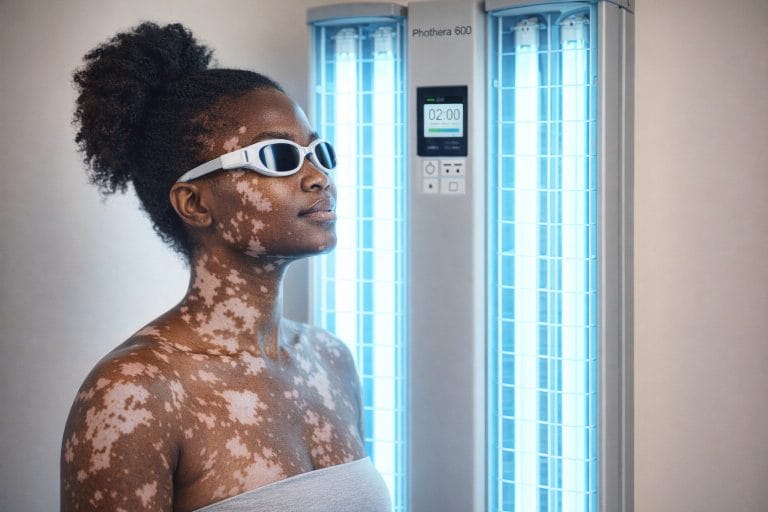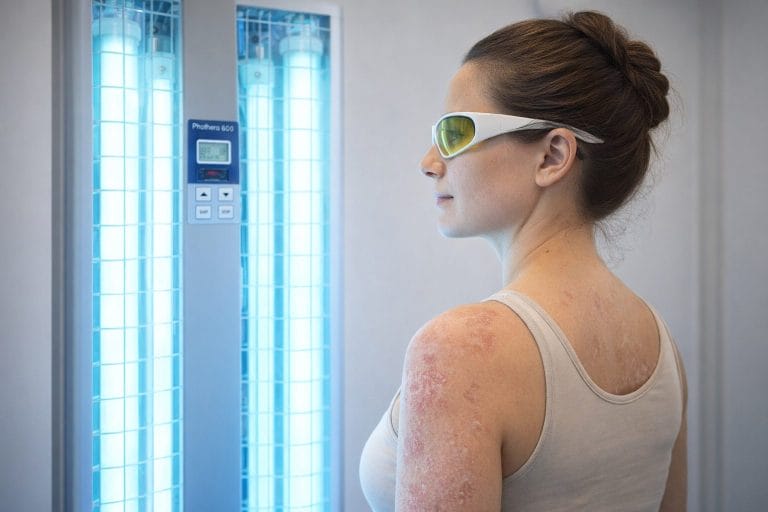
You might associate light therapy with dermatology, and for good reason—it’s a proven treatment for skin conditions like psoriasis and eczema. But its benefits go far beyond the skin’s surface. The same technology that calms skin inflammation can also help regulate the body’s systemic immune response, which is the root cause of many autoimmune symptoms. This is why researchers are exploring its use for conditions like MS and chronic fatigue. If you’re looking for an innovative, non-drug option to manage your health, understanding how home phototherapy systems can address widespread inflammation is a critical first step.
Key Takeaways
- Bring effective, clinic-level treatment home: Home phototherapy uses prescribed Narrowband UVB light to safely manage inflammation for skin and autoimmune conditions, matching the results of in-office visits but on your own schedule.
- Start with a prescription and choose wisely: Your first step is talking to your doctor to get a prescription for an FDA-cleared device. From there, select a system that matches your treatment area and fits your budget by considering long-term costs like lamp replacements.
- Prioritize safety and a consistent routine: To get the best results, stick to the treatment schedule your doctor creates for you. Always follow safety protocols, like wearing eye protection, and maintain open communication with your provider about your progress.
What is Home Phototherapy and How Does It Work?
If you’re dealing with a chronic condition, the idea of managing treatments from the comfort of your own space can feel like a game-changer. That’s exactly what home phototherapy offers. It’s a way to use specific wavelengths of light to treat a variety of health conditions, all without having to make constant trips to a clinic. Think of it as a prescribed, therapeutic dose of light, tailored to your needs and delivered on your schedule.
For many, home phototherapy is a safe and effective non-drug option that puts you in control of your treatment plan. Instead of scheduling your life around appointments, you can integrate your therapy sessions seamlessly into your daily routine. This approach is especially helpful for managing autoimmune conditions where consistency is key to reducing inflammation and calming an overactive immune system. By bringing the technology into your home, you gain the privacy and convenience needed to stick with your treatment long-term, which can make all the difference in how you feel.
Understanding Narrowband UVB Technology
When you hear “UV light,” you might think of the sun’s harmful rays, but Narrowband UVB (NB-UVB) is different. This technology isolates a very specific, small part of the UVB light spectrum—around 311 nanometers—that has proven therapeutic benefits. It works by slowing down the rapid cell growth associated with some skin conditions and by helping to regulate the body’s immune response.
What makes NB-UVB a go-to option is its strong safety profile. It’s considered a very safe first treatment option for many people, including pregnant women, children, and those with weakened immune systems. Because the light is so targeted, it minimizes exposure to other, less beneficial UV wavelengths. This reduces side effects and allows for effective treatment without the systemic impact of many medications.
The Light Wavelengths Used in Treatment
Light therapy isn’t a one-size-fits-all solution; different wavelengths of light have different effects on the body. Researchers have identified several wavelengths with distinct therapeutic applications, including blue light for acne and red light for skin rejuvenation. Another type, UVA-1, uses a longer wavelength (340-400 nm) to penetrate deeper into the skin to address inflammation.
Narrowband UVB stands out because its specific wavelength is highly effective for conditions like psoriasis, eczema, and vitiligo, and it’s being explored for its ability to treat systemic inflammation in other autoimmune diseases. By using this precise sliver of the light spectrum, NB-UVB therapy can deliver powerful results while maintaining a high level of safety for consistent, long-term use.
A Look at the At-Home Treatment Process
Getting started with home phototherapy is more straightforward than you might think. First, you’ll need a prescription from your doctor, who will create a treatment plan just for you. This plan will outline how often you should have a session and for how long. The devices themselves range from small, handheld units for targeted spots to larger panels or full-body cabinets for more widespread conditions.
During a treatment, you’ll stand or sit a specific distance from the device for a few minutes. Following safety protocols is essential, which always includes wearing the provided eye protection. Your doctor will guide you on gradually increasing your exposure time to get the best results while minimizing any risk of skin irritation.
What Conditions Can Home Phototherapy Treat?
While many people first hear about phototherapy in a dermatology office, its applications go far beyond the skin’s surface. This treatment uses specific wavelengths of ultraviolet (UV) light to calm inflammation and regulate immune system responses. This makes it a powerful tool for managing a variety of conditions, from chronic skin issues to systemic autoimmune diseases that affect the entire body. Let’s look at some of the most common and emerging uses for at-home light therapy.
For Skin Conditions Like Psoriasis, Eczema, and Vitiligo
If you’re dealing with psoriasis, eczema, or vitiligo, you’re likely familiar with the frustrating cycle of flare-ups. Home phototherapy offers a safe and effective non-drug option to manage these skin disorders from the privacy and comfort of your own home. It works by slowing down the rapid growth of skin cells and reducing inflammation. Devices are often designed to provide fast and effective treatments for these specific photoresponsive conditions, allowing you to manage your symptoms consistently. For many, having this tool at home means fewer trips to the doctor’s office and more control over their treatment plan, which can be a huge relief.
Addressing Systemic Inflammation and Autoimmune Conditions
When people say “light therapy” for autoimmune goals, they may be referring to different device categories, so it helps to match the technology to the outcome you are actually targeting. Narrowband UVB is commonly framed as a prescription-based approach that works through controlled skin exposure and is typically paired with a provider-directed dosing plan, while red or near-infrared devices are more often positioned as non-prescription wellness tools that people associate with comfort, recovery, or general inflammation support depending on the product’s claims. Blue light devices are usually discussed in more surface-level skin contexts, so expectations and use cases often differ from UVB-based protocols. In all cases, the most practical choice is usually the one that fits your coverage needs and makes it realistic to stay consistent, because consistency and correct dosing are what drive progress and reduce avoidable side effects.
The benefits of phototherapy aren’t just skin deep. The same UV light that treats skin conditions can also have a profound effect on systemic inflammation throughout the body. This is why it’s becoming a key part of managing a wider range of autoimmune diseases. When your skin is exposed to these specific wavelengths of light, it can help regulate an overactive immune system, which is the root cause of many autoimmune symptoms like fatigue and widespread inflammation. Think of it as calming the immune response at one of its most accessible points—your skin—to create a positive ripple effect across your entire system.
Exploring New Uses for MS and Chronic Fatigue
The success of home phototherapy for established conditions has paved the way for exciting new research. Studies now show that home treatments can be just as effective as those done in a clinic, which is a game-changer for patients. This proven effectiveness is leading researchers to explore how light therapy might help with other autoimmune conditions like multiple sclerosis (MS) and chronic fatigue syndrome. As a recognized treatment used in government-funded clinics, phototherapy’s credibility is well-established. This ongoing research offers hope for those looking for new ways to manage the systemic inflammation and fatigue associated with these complex conditions.
Home Phototherapy vs. In-Clinic Treatments
When you and your doctor decide that phototherapy is the right path, the next question is where to have your treatments. While clinical settings have been the traditional option, home phototherapy systems offer a compelling alternative that puts you in control of your treatment schedule. The choice between the two often comes down to effectiveness, convenience, and cost. Let’s look at how they compare so you can make an informed decision about what works best for your life and your health goals.
Comparing Effectiveness and Consistency
One of the first questions people ask is, “Does home phototherapy work as well as the treatments I’d get in a clinic?” The answer is a resounding yes. Multiple studies have shown that home narrowband UVB phototherapy is just as effective as in-office treatments for conditions like psoriasis. For example, the LITE study found that home-based treatment was not only effective but also preferred by patients due to its convenience. The key to success with any phototherapy plan is consistency, and that’s where at-home units truly shine. By removing the barriers of travel and scheduling, it becomes much easier to stick to your prescribed treatment plan, which can lead to better, faster results.
The Advantages of At-Home Convenience and Privacy
Managing a chronic condition is challenging enough without adding frequent trips to a clinic. Home phototherapy offers the same safe, effective treatment you’d receive from a provider, but on your own terms. You can fit your sessions into your schedule—whether that’s early in the morning or late at night—without taking time off work or away from your family. This flexibility significantly reduces the burden of treatment. Beyond the logistics, there’s the simple comfort of being in your own space. You can listen to your favorite music or a podcast during your session in complete privacy, making the process feel less like a medical appointment and more like a part of your self-care routine.
Breaking Down the Long-Term Costs
While the initial purchase of a home phototherapy unit is an investment, it is often the more cost-effective option in the long run. Think about the expenses associated with in-clinic visits: co-pays for every single session, transportation costs like gas and parking, and potentially lost wages from time off work. These can add up quickly, especially for a long-term treatment plan. A home unit is typically a one-time expense. Many insurance plans recognize the long-term value and may cover a significant portion of the device’s cost. By eliminating recurring treatment fees, a home system can save you a substantial amount of money over the course of your care.
How to Choose the Right Home Phototherapy System
Not all “light therapy” devices are the same, and the technology you choose should match your clinical goal rather than marketing language. For medically guided at-home phototherapy, narrowband UVB is commonly used for photoresponsive skin conditions and is typically positioned as the more precise and treatment-focused UVB option compared with older broadband UVB approaches. By contrast, many LED devices are marketed for general skincare or wellness and are often not interchangeable with UVB phototherapy when the goal is treating conditions like psoriasis plaques using a prescription protocol. When comparing devices, prioritize medical-grade safety signals such as appropriate specifications for the treatment type, reliable dose control, a built-in timer, and clear instructions, because consistent dosing and repeatability are what make a home protocol both safer and more effective.
Deciding to start home phototherapy is a big step, and picking the right system can feel just as significant. You’re not just buying a product; you’re investing in your long-term health and well-being. The best device for you depends on your specific condition, your lifestyle, and your budget. To make a confident choice, you’ll want to look at a few key factors: safety certifications, the size of the treatment area, long-term costs like lamp replacements, and the practical steps of getting a prescription and navigating insurance. Thinking through these elements will help you find a system that fits seamlessly into your life and provides the consistent, effective treatment you need.
Prioritize FDA Clearance and Safety Certifications
First and foremost, remember that home phototherapy systems are medical devices, not just fancy lamps. This means safety and legitimacy are non-negotiable. The most important thing to look for is FDA clearance. This designation means the U.S. Food and Drug Administration has reviewed the device to ensure it’s safe and effective for its intended use. Reputable companies will always require a prescription from your doctor before you can purchase a system. This is a crucial safety check, ensuring that a healthcare professional is involved in your treatment plan. Be cautious of any device marketed online that doesn’t ask for a prescription—it’s a major red flag that the product may not be a legitimate or safe medical tool.
Review Device Specs and Treatment Area
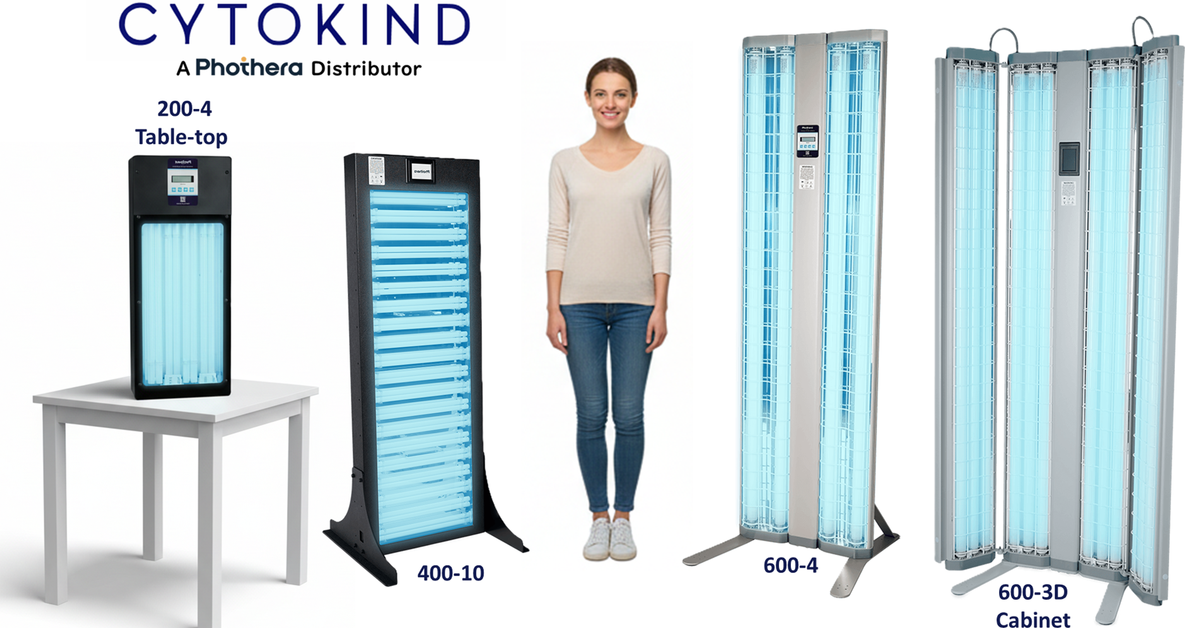
Home phototherapy units are not one-size-fits-all. They range from small, hand-held devices for treating specific spots to larger, full-body panels or walk-in cabinets. The right choice depends entirely on your needs. If you’re managing localized patches of psoriasis or eczema, a smaller, targeted unit might be perfect. However, if you’re addressing systemic inflammation or a condition that affects your entire body, a larger panel will make your treatments far more efficient and effective. Think about the space you have available in your home and how much time you want to spend on each session. Matching the device’s coverage area to your treatment goals is key to creating a routine you can stick with.
Consider Lamp Lifespan and Replacement Costs
When you’re looking at different systems, it’s easy to focus on the initial price tag. But it’s just as important to consider the long-term costs. The lifespan of the lamps is a major factor here. Some systems use bulbs that can last for thousands of hours, while others may need more frequent replacements. Before you buy, find out how long the lamps are expected to last and what the replacement bulbs will cost. A device with a higher upfront price but longer-lasting lamps might actually be more affordable over time. Planning for these maintenance costs from the beginning will help you budget properly and ensure you can continue your treatment without any unexpected financial surprises.
Home UVB phototherapy is typically treated as a medical-grade therapy, which is why a prescription matters for safety and personalization, including guidance on starting dose, frequency, and follow-ups. In many cases, a dermatologist can prescribe, but depending on your situation an MD or NP who already manages your condition may also be able to evaluate you and provide the prescription. It helps to arrive with a current medication list, a brief history of what you have tried, and a clear description of your symptoms and flare patterns so your provider can select an appropriate plan. After you are approved, some insurance plans treat home phototherapy systems as durable medical equipment, which can involve prior authorization and documentation such as a letter of medical necessity. Ongoing check-ins are important because home protocols often need dose adjustments over time, especially if you experience irritation, miss sessions, or stop progressing at the same pace.
Understand Prescription and Insurance Requirements
Navigating the logistics of getting a home phototherapy system is a critical part of the process. As mentioned, you will need a prescription from your doctor to purchase an FDA-cleared device. This ensures your treatment is medically supervised. Once you have your prescription, the next step is often figuring out insurance coverage. The good news is that many insurance plans cover home phototherapy when it’s deemed medically necessary. Many phototherapy companies have teams dedicated to helping you with this process. They can assist with getting pre-approval from your insurance provider and filing claims, making the whole experience much smoother. Don’t hesitate to ask the device manufacturer about the support they offer for insurance navigation.
A Guide to Top Home Phototherapy Brands
If your main goal is psoriasis relief, device choice usually comes down to selecting the correct UVB approach under medical guidance and choosing a device size that matches the areas you need to treat most often, because consistency is a major driver of results. Smaller handheld devices tend to fit limited areas and spot treatment, while panels and larger systems are often more practical when plaques are broader or more frequent, since better coverage can make it easier to stick to a regular schedule. When comparing options, focus on whether the device supports precise dosing and repeatable sessions, because that is what helps you progress safely rather than relying on guesswork or inconsistent exposure.
Once you and your doctor decide that home phototherapy is the right path, the next step is choosing a device. The market has several reputable brands, each with its own strengths. It can feel a little overwhelming, but understanding the key players and what they offer makes the decision much clearer. Think about your specific needs, the area you need to treat, and the features that matter most to you. Let’s walk through some of the top brands to help you find the perfect fit for your treatment plan.
Cytokind Narrowband UVB Systems
At Cytokind, our focus is on providing innovative treatment options that address the root causes of inflammation and fatigue in autoimmune conditions. We offer a range of home phototherapy devices that use narrowband UVB light, a technology with a long history of success in dermatology. But our work goes beyond skin-deep. We are at the forefront of clinical research exploring how NB-UVB can help manage conditions like MS, Long Covid, and Chronic Fatigue Syndrome. Our systems are designed to be effective and easy to use, giving you a reliable way to manage your health from the comfort of your home.
Other Leading Options on the Market
Beyond Cytokind, several other trusted companies provide quality home phototherapy units. Phothera offers a variety of light-based treatment devices designed for safe and effective home use. Another well-known name is Solarc Systems, which manufactures its UVB-Narrowband devices in North America for conditions like psoriasis, vitiligo, and eczema. For those needing a full-body solution, National Biological’s Panosol 6-3D is a popular and affordable system that has earned the trust of thousands of patients and their doctors over the years. Each of these brands offers FDA-cleared options, giving you more choices as you search for the right system.
How Their Key Features Compare
When comparing brands, you’ll notice that devices come in all shapes and sizes. As you explore your options, you’ll find everything from small, hand-held units for treating specific spots to larger, full-body cabinets for more widespread conditions. The best choice really depends on the size of the area you need to treat. For example, the Phothera 1200 is a full-body booth with a space-saving design and a touch-screen controller, which might be ideal for some users. Others may only need a tabletop device. Consider the device’s footprint, ease of use, and the specific features that will make your treatment routine as simple and consistent as possible.
Safety First: What to Know Before You Start
Bringing a medical-grade treatment into your home is a big step, and it’s completely normal to have questions about safety. While home phototherapy is designed to be a convenient and effective option, it’s crucial to approach it with the same care you would any other medical procedure. The good news is that when used correctly, these systems have a strong safety profile.
The key is to be informed and prepared. This means understanding the potential side effects and how to manage them, committing to the proper usage guidelines every single time, and maintaining an open line of communication with your doctor. Think of it as a partnership between you, your healthcare provider, and your device. By following the prescribed plan and safety protocols, you can confidently use your system to manage your symptoms and work toward your health goals. These innovative treatment options put you in control, and doing it safely is the first step to success.
How to Manage Potential Side Effects
Let’s talk about side effects. The most common ones are similar to a mild sunburn, like temporary skin redness or itching after a session. These can typically be managed by adjusting your treatment time with your doctor’s guidance and keeping your skin well-moisturized. You might also hear concerns about long-term risks like premature skin aging or skin cancer. While it’s smart to be aware of these, it’s also reassuring to know that most studies have not found an increased risk of skin cancer in patients treated with narrowband UVB phototherapy. The technology is specifically designed to use a very focused wavelength of light to minimize these risks while maximizing therapeutic benefits.
Follow Proper Use and Eye Protection Guidelines
Following instructions is non-negotiable when it comes to home phototherapy. Your doctor will give you a specific treatment plan—including duration and frequency—and it’s essential to stick to it precisely. Before every session, make sure you are using the personal protective equipment that comes with your device. This means wearing your UV-blocking eye protection every single time the light is on. No exceptions. Even though home phototherapy is designed for convenience, it’s still a powerful medical treatment. Adhering to these guidelines is the best way to ensure you get the results you want safely and effectively, right in the comfort of your own home.
Know When to Talk to Your Doctor
Home phototherapy should always begin and continue under the guidance of a healthcare professional. It’s not a treatment you should start on your own; you must talk to your doctor first to get a prescription and confirm it’s the right path for you. Your doctor is your most important resource throughout this process. Keep them in the loop about your progress, and don’t hesitate to reach out if you notice any unexpected skin reactions or have questions about your treatment schedule. Regular check-ins will help them monitor your condition and make any necessary adjustments to your plan, ensuring your treatment remains both safe and effective over the long term.
Your First Steps to Starting Home Phototherapy
Deciding to start home phototherapy is a significant step toward taking control of your health. It’s a treatment that puts you in the driver’s seat, offering the consistency and convenience that can be hard to find with in-clinic appointments. While the idea of managing your own treatment might seem daunting at first, the process is quite straightforward when you break it down. Getting started comes down to three key actions: consulting with your doctor, establishing a consistent routine, and taking good care of your equipment.
Think of it as setting the foundation for success. The initial conversations and planning you do now will ensure your treatments are safe, effective, and tailored specifically to your body’s needs. This isn’t just about following a generic set of instructions; it’s about creating a personalized care plan that fits into your life. By working with your healthcare provider and understanding your system, you can confidently begin using one of the most innovative treatment options available for managing chronic inflammation and calming your immune system. This proactive approach empowers you to manage your condition from the comfort and privacy of your own home.
Talk to Your Doctor About a Prescription
Your first and most important conversation is with your doctor. Home phototherapy units are medical devices that require a prescription, and for good reason. This ensures that the treatment is the right choice for your specific condition and health profile. Your doctor will evaluate your medical history, discuss your symptoms, and determine the appropriate light dosage to start with. This isn’t a step to be skipped; it’s a crucial safety measure.
When you meet with your doctor, come prepared to discuss why you feel home phototherapy is a good fit for you. A home unit can be an option if your doctor decides it’s the right treatment for you, but they need your input to make that call. They will guide you on everything from initial exposure times to frequency, making sure your plan is both safe and effective.
Create Your Treatment Schedule
Once you have your prescription and your device, the next step is to build a routine. Consistency is everything when it comes to phototherapy. The goal is to deliver a steady, therapeutic dose of light over time, and that only happens if you stick to a schedule. Your doctor will give you a starting point, outlining how many times per week you should have a session and for how long. This schedule is personalized to you, based on your condition and skin sensitivity.
To make it easier to follow, try integrating your treatments into your existing daily routine. Maybe it’s the first thing you do in the morning or something you do while listening to a podcast in the evening. Set reminders on your phone if you need to. Remember that home phototherapy is often a more sustainable and cost-effective approach for long-term management.
Maintain Your System for the Best Results
Taking care of your home phototherapy unit is essential for ensuring it works correctly and lasts for years. Proper maintenance guarantees that you’re always receiving the precise wavelength and intensity of light prescribed by your doctor. This usually involves simple tasks like wiping down the unit and the bulbs with a soft, dry cloth to keep them free of dust, which can block light output. Always make sure the device is unplugged before cleaning it.
Different types of home therapy units, from handheld devices to full-body panels, may have slightly different care instructions, so be sure to read the user manual. Pay close attention to the recommended lifespan of the lamps. Over time, their output diminishes, and using them past their prime can make your treatments less effective. Replacing the bulbs as recommended is a critical part of getting the best results.
Related Articles
- Phototherapy – Safe & Effective Treatment for Psoriasis & Eczema
- Home Phototherapy – Cytokind
- Safe NB-UVB Phototherapy Devices for Home & Clinical Use
- Clinical NB-UVB Phototherapy: Advanced Care
- How UVB Phototherapy Works and Starting Steps – Cytokind
Frequently Asked Questions
Is a home phototherapy unit the same as a tanning bed? Absolutely not. Tanning beds are designed for cosmetic purposes and emit a broad, uncontrolled spectrum of UV light. A medical phototherapy device is an FDA-cleared tool that uses a very specific, therapeutic wavelength of light, like Narrowband UVB, to treat health conditions. Think of it as a precise medical instrument, not a cosmetic appliance.
How long will it take before I start seeing results? This really varies from person to person and depends on the condition you’re treating. For skin conditions, some people notice improvements within a few weeks, while addressing systemic inflammation can be a more gradual process. The most important factor is consistency. Sticking to the schedule your doctor prescribes gives you the best chance at seeing positive changes.
Will my insurance help pay for a home phototherapy device? It’s very likely. Most insurance plans do cover home phototherapy units when a doctor prescribes them as a medically necessary treatment. Reputable device companies often have teams that specialize in insurance and can help you with the paperwork, get pre-authorization, and make the entire process much simpler.
Can I adjust my treatment times on my own if I think I need more or less? You should always consult your doctor before making any changes to your treatment plan. Your doctor creates a specific schedule with gradual increases in exposure time based on your condition and skin type. If you experience any irritation or feel a change is needed, a quick call to your doctor is the safest and most effective way to adjust your routine.
Do I need to keep my skin moisturized when doing phototherapy? Yes, keeping your skin well-moisturized is a great idea. The light can sometimes cause temporary dryness or itching, and using a good, fragrance-free moisturizer after your sessions can help soothe your skin and keep it comfortable. It’s a simple step that can make your treatment experience much better.