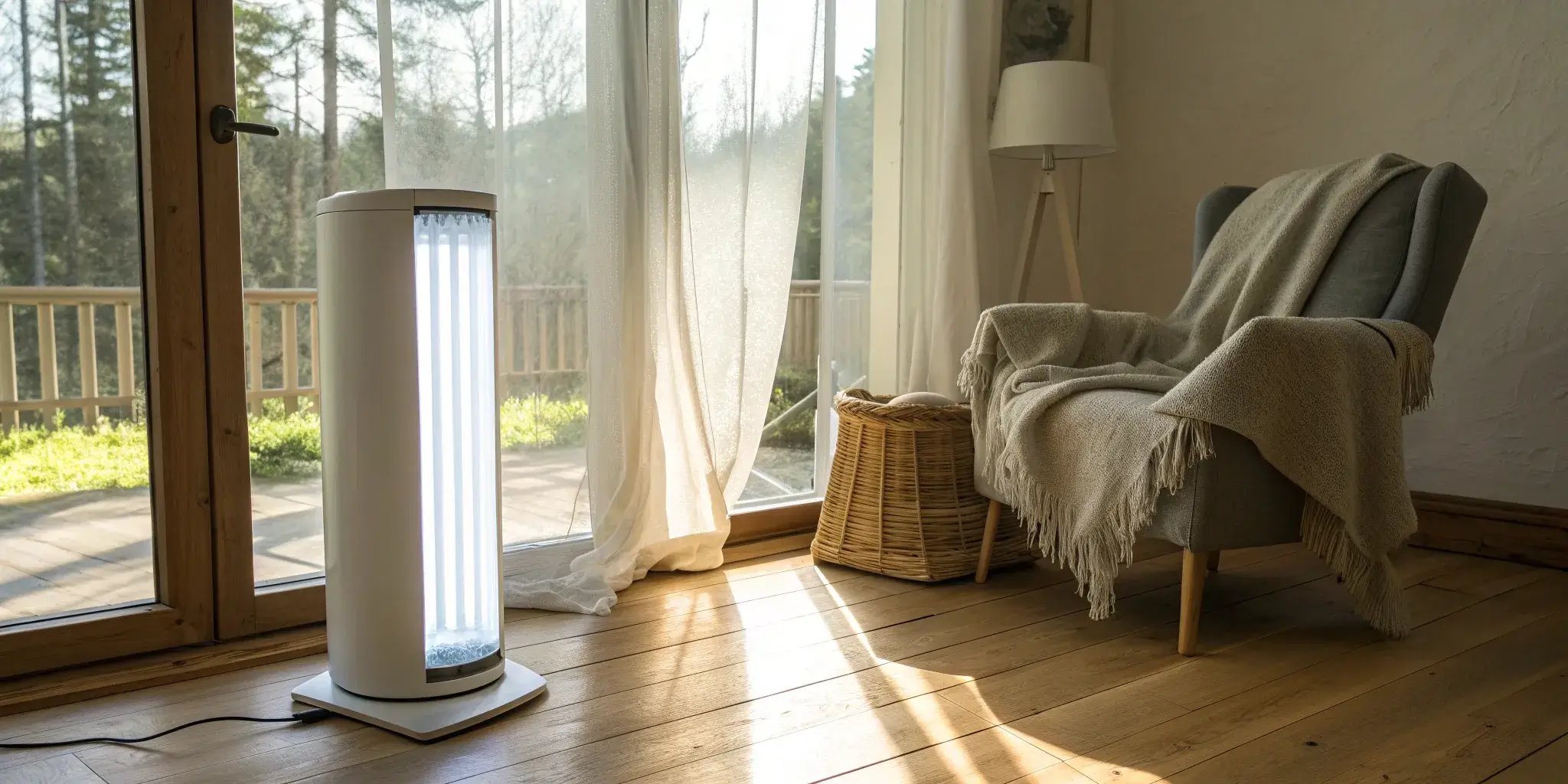
Managing a chronic illness can sometimes feel like you’re a passenger in your own life, shuttling between doctor’s offices and pharmacies. An at-home treatment plan puts you back in the driver’s seat, giving you more agency over your health and your time. Using a narrow band UVB home unit means you decide when and where you receive your therapy, fitting it into your day instead of fitting your day around it. This shift from reactive to proactive care is incredibly empowering. It makes consistency achievable, which is the key to seeing real, lasting results with phototherapy.
Key Takeaways
- Take Control of Your Treatment Schedule: A narrowband UVB home unit is a prescription medical device that offers the same proven effectiveness as in-clinic phototherapy, allowing you to manage your condition conveniently without sacrificing quality of care.
- Your Personalized Plan Is Your Roadmap to Success: Working with your doctor is essential to create a treatment plan tailored to your skin type and condition. This plan dictates your session times and frequency, ensuring your therapy is both safe and effective.
- Consistency Is the Most Important Factor: The benefits of light therapy build over time, so sticking to your prescribed schedule is the single most critical part of achieving significant, long-lasting results and managing your symptoms.
What Is a Narrowband UVB Home Unit?
A narrowband UVB home unit is a medical device that allows you to receive phototherapy treatment from the comfort and privacy of your own home. Think of it as bringing a highly specific, therapeutic light that’s typically found in a dermatologist’s office right into your living room. These units are not tanning beds; they emit a very precise and concentrated wavelength of ultraviolet B (UVB) light (311-312 nm) that has been clinically proven to treat a range of health conditions.
Because this is a medical-grade treatment, you’ll need a prescription from your doctor to purchase and use a home unit. This ensures you have professional guidance and are using the therapy safely and effectively for your specific needs. The primary goal of a home unit is to give you a convenient and consistent way to manage your condition. Instead of scheduling frequent trips to a clinic, you can integrate your treatments into your daily routine, giving you more control over your health and your schedule. It’s a practical solution for long-term management of chronic conditions.
How Does Narrowband UVB Therapy Work?
At its core, narrowband UVB therapy works by calming your body’s immune response. When you have an autoimmune condition, your immune system can become overactive, mistakenly attacking healthy cells and causing inflammation. The specific wavelength of light used in NB-UVB therapy penetrates the skin and helps to slow down this process. It reduces the activity of the specific immune cells responsible for inflammation. By dialing back this overactive response, the therapy helps to reduce symptoms at their source, offering a way to manage your condition rather than just masking its effects. It’s one of the most promising innovative treatment options for rebalancing the immune system.
What Conditions Does It Treat?
Narrowband UVB phototherapy is a well-established, first-line treatment for several autoimmune skin conditions. It’s most commonly prescribed for psoriasis, vitiligo, and atopic dermatitis (eczema) because of its proven ability to clear skin and reduce inflammation. However, because NB-UVB works by addressing the underlying immune response, its potential applications are expanding. Researchers are actively exploring its benefits for other systemic autoimmune diseases where inflammation and fatigue are major symptoms, including multiple sclerosis and long COVID. This therapy offers hope for those looking for effective ways to manage conditions that go beyond the skin.
Narrowband vs. Broadband UVB: What’s the Difference?
The main difference between narrowband and broadband UVB lies in the precision of the light waves used. Think of it this way: broadband UVB is like using a wide, unfocused spray of water, while narrowband UVB is like using a targeted, powerful jet. Broadband uses a wider range of UV light wavelengths, whereas narrowband isolates the single most therapeutic wavelength. This precision is why narrowband UVB is now the gold standard for phototherapy. Studies have shown that its targeted approach can clear conditions faster, lead to longer periods of remission, and require fewer weekly treatments compared to older broadband technology.
Why Choose an At-Home Narrowband UVB Unit?
Living with an autoimmune condition often means your life revolves around managing symptoms and treatments. While in-clinic phototherapy is an effective option, the reality of traveling to a clinic two or three times a week can be a huge burden. It disrupts your work, family life, and personal time. This is where at-home narrowband UVB therapy changes the game. It offers the same therapeutic light in a way that fits your life, not the other way around.
Choosing an at-home unit means you’re taking control of your treatment. It’s about creating a routine that works for you, reducing the stress of constant appointments, and making your health management more sustainable. By bringing your treatment home, you gain convenience and privacy without sacrificing the quality of your care. It’s one of the most practical and empowering innovative treatment options available for managing chronic inflammation and skin-related autoimmune symptoms. You get a clinically proven therapy on your terms, which can make all the difference in your long-term well-being.
Treat on Your Own Schedule
One of the biggest hurdles with clinic-based phototherapy is the schedule. Making it to appointments several times a week is a significant commitment that can feel impossible to maintain. An at-home unit puts you in the driver’s seat. You can do your treatments in the morning before work, in the evening after the kids are in bed, or whenever it fits seamlessly into your day. This flexibility helps you stay consistent with your treatment plan, which is key to seeing results. Home UVB phototherapy removes the logistical stress, allowing you to focus on what truly matters: feeling better.
Save Time and Money on Clinic Visits
Clinic visits add up quickly. Beyond the cost of the treatment itself, you have to account for travel expenses like gas and parking, plus the time taken off work. These factors can make consistent treatment financially draining. Home phototherapy is a more cost-effective solution over the long term. While there’s an initial investment in the unit, you save significantly on recurring appointment and travel costs. Research shows that home phototherapy is convenient, saves money, and can lead to a better quality of life compared to traveling for every session.
Get Proven, Consistent Results
You might wonder if an at-home unit can deliver the same results as a professional clinic setup. The answer is a resounding yes. Studies have shown that home narrowband UVB phototherapy is just as effective as in-clinic treatments for conditions like psoriasis. In fact, one study found that 82% of home users saw significant improvement, right on par with clinic patients. The therapy works by using a specific wavelength of light to slow down the overproduction of inflammatory cells that cause symptoms. By making treatment more convenient, an at-home unit helps you maintain the consistency needed for powerful, lasting results.
Understanding the Side Effects and Safety Precautions
Starting any new treatment can feel a little daunting. It’s smart to ask questions about side effects and safety—it means you’re taking an active role in your health. The good news is that narrowband UVB therapy has been used for decades and has a well-documented safety profile, especially when compared to some systemic medications for autoimmune conditions. Like any effective medical treatment, it has potential side effects, but understanding them is the first step to managing them properly and feeling confident in your care.
Most side effects are mild, temporary, and a sign that your body is responding to the therapy. More serious risks are rare and are typically associated with improper or long-term overuse, which is why following a professional’s guidance is so important. This guide will walk you through what to expect in the short term, what to be aware of for the long term, and the simple, practical steps you can take to stay safe. The key is to use your home unit exactly as prescribed by your doctor. This partnership ensures you get the best results while keeping safety front and center, allowing you to tap into innovative treatment options with peace of mind.
Short-Term Side Effects to Expect
It’s common to experience some mild, temporary skin reactions after a session, especially when you’re just starting. Think of it like a mild sunburn that fades quickly. Within the first 24 hours, you might notice some redness, itching, or slight swelling in the treated areas. These effects are typically temporary and resolve on their own as your skin adjusts to the therapy. If you experience anything more significant, like blistering, it’s a sign that your exposure time might be too long. This is easy to adjust, so just be sure to let your doctor know so they can fine-tune your treatment plan for the perfect dose.
Long-Term Safety Considerations
When you hear words like “skin cancer,” it’s natural to feel concerned. It’s important to put these risks into perspective. With narrowband UVB, the long-term risks are very low and are primarily associated with extensive, lifelong use that goes far beyond a typical treatment course. If not used properly or for extended periods, there is a small risk of premature skin aging, changes in skin color, and skin cancer. This is why your doctor will create a specific treatment plan for you, often limiting therapy to a single course per year to minimize cumulative exposure. Following this prescribed schedule is the single best way to keep your treatment both safe and effective for years to come.
How to Stay Safe During Treatment
Your safety during each session is paramount, and thankfully, the precautions are straightforward. Think of it as your pre-treatment checklist. The most important rule is to always wear the FDA-cleared, UV-protective goggles that come with your unit. This is non-negotiable. Beyond that, a practical approach to home phototherapy includes a few simple steps. To ensure safety during treatment, always cover sensitive areas, use a lip balm with SPF, and apply sunscreen to any areas not being treated, like your face. It’s also crucial to make sure you’re alone in the room during your session to protect others from exposure. Working with a skilled care provider ensures your treatment is both effective and safe from the start.
How to Choose the Right Home Unit for You
Selecting the right at-home phototherapy unit is a big step, but it doesn’t have to be overwhelming. The best device for you depends on your specific condition, the amount of skin you need to treat, and your lifestyle. Thinking through these factors will help you find a unit that fits seamlessly into your routine and gives you the best possible results. Let’s walk through the key considerations to help you make a confident choice.
Explore Cytokind’s FDA-Cleared Systems
First and foremost, you want a device that is both safe and effective. That’s why choosing an FDA-cleared system is non-negotiable. This clearance means the device has been reviewed for safety and is legally marketable for specific medical uses. Our innovative treatment options use narrowband UVB light to treat conditions like psoriasis, vitiligo, and eczema by slowing down the overproduction of inflammatory cells that cause these issues. While these are the most common conditions we see, narrowband UVB light therapy is a drug-free solution for more than 20 autoimmune and inflammatory skin conditions. When you choose a Cytokind unit, you’re choosing a device designed with the highest standards of medical care in mind.
Full-Body vs. Handheld: Which Is Right for You?
The next step is to decide between a full-body unit and a handheld device. If your condition affects large areas of your body, a full-body panel is likely the most practical choice. It allows you to treat widespread areas efficiently and evenly in a single session. On the other hand, if you’re treating smaller, more localized patches—like on your hands, feet, or scalp—a handheld unit offers precision and convenience. It’s also more portable and easier to store. Narrowband UVB phototherapy is considered a top-of-the-line treatment for many skin conditions, and choosing the right device size ensures you can apply that treatment effectively to the areas that need it most.
Key Features to Look For
A quality home unit should make your treatments simple and safe. Look for key features like a built-in digital timer, which is crucial for administering the precise exposure times your doctor prescribes. A safety key is another important feature that prevents unintended use, especially if you have children in the house. Remember, a narrowband UVB home unit is a reliable tool, but most problems come from improper use, not the device itself. Clear instructions and user-friendly controls will help you follow your treatment plan correctly and avoid common mistakes. Your device should empower you to manage your health confidently and safely from the comfort of your home.
Creating Your Personal Treatment Plan
Your at-home light therapy journey is exactly that—yours. There’s no universal setting or schedule that works for everyone, which is why creating a personalized plan with your doctor is the most important first step. Think of your narrowband UVB unit as a powerful tool; your treatment plan is the instruction manual for using it safely and effectively for your specific needs. This plan will outline your starting exposure time, how often you should have a session, and how to gradually increase your dose to get the best results without irritating your skin.
Success with at-home phototherapy hinges on a partnership between you and your healthcare provider. They will use your diagnosis, medical history, and skin type to write a prescription that serves as the foundation of your plan. From there, it’s about consistency and paying close attention to how your body responds. Sticking to the schedule and tracking your progress allows you and your doctor to make smart, subtle adjustments over time. This careful, methodical approach is what makes at-home narrowband UVB one of the most effective innovative treatment options available for managing chronic autoimmune conditions. It puts you in control of your care, right from the comfort of your home.
How Your Skin Type and Condition Affect Treatment
Your ideal treatment plan starts with two key factors: your skin type and your specific condition. Narrowband UVB therapy works by slowing down the overproduction of inflammatory cells, which is often the root cause of conditions like psoriasis, vitiligo, and eczema. Your doctor will determine the right starting dose based on how sensitive your skin is to UV light. People with fairer skin that burns easily will begin with much shorter sessions than those with darker skin that tans more readily. This careful starting point is designed to give you an effective therapeutic dose while minimizing the risk of redness or burning.
Finding the Right Schedule
Consistency is everything when it comes to phototherapy. Sporadic or missed sessions won’t deliver the results you’re looking for, because the therapy works through accumulated, measured exposure over time. Most treatment plans recommend sessions two to three times per week, with at least one day of rest in between to allow your skin to process the treatment. The best way to stay on track is to build it into your routine. Try scheduling your sessions for the same days and time each week, and set a reminder on your phone so you never miss one. Sticking to your schedule is the surest way to achieve and maintain your results.
How to Track Your Progress and Make Adjustments
The goal of your treatment plan is to slowly increase the light dose until your skin gets a slight pink color about 24 hours after a session, but not a burn. This is a sign that you’ve received a therapeutic amount of light. Keeping a simple log of your session dates, exposure times, and how your skin reacted is an incredibly helpful tool. This record gives you and your doctor clear data to decide when and how much to increase your treatment time. As this guide to home phototherapy explains, these gradual adjustments are key to a safe and effective outcome, ensuring you continue to make progress without overdoing it.
What Kind of Results Can You Expect?
Starting any new treatment comes with one big question: Will this actually work for me? When it comes to narrowband UVB therapy, the answer is backed by decades of research and real-world success. This isn’t a new or experimental approach; it’s a trusted and effective option for managing chronic autoimmune conditions, especially those that show up on your skin. While NB-UVB is a top-tier treatment for psoriasis, its ability to calm the immune system and reduce inflammation offers hope for a wider range of conditions.
The goal of at-home phototherapy is to give you the same powerful results you’d get in a clinic, but with far more convenience. It’s about putting you in control of your treatment schedule and your health. Success depends on consistency and following the plan you create with your doctor. By understanding the process and what influences your outcome, you can set clear, achievable goals for your health journey. Remember, this is a gradual process, not an overnight fix, but with patience and consistency, you can achieve significant, lasting relief.
Your Timeline for Seeing Improvements
Patience is key, but you likely won’t have to wait long to see progress. For skin conditions like psoriasis, many people start to notice improvements within two to four weeks of consistent treatment. A typical schedule involves two to three sessions per week over a couple of months to achieve the best results.
Wondering if at-home treatment is as effective as going to a clinic? The research is incredibly encouraging. One study directly comparing the two found that home UVB phototherapy was just as effective as in-office treatments. In that study, 82% of people using at-home units saw at least a 50% improvement in their psoriasis, right on par with the 79% who saw similar results from clinic visits.
What Influences Your Outcome?
Your results are directly tied to how consistently and correctly you follow your treatment plan. The main goal is to find your “sweet spot” with the light dose. You want to slowly increase your exposure time until your skin shows a faint pinkness a few hours after treatment, but you should never get a sunburn. This method, known as suberythemogenic phototherapy, is the key to getting results safely.
Your doctor will help you determine the right starting dose and schedule for increasing it. If you have the opportunity, trying phototherapy in a clinic first can be a great way to learn how your skin responds under medical supervision. This experience can give you the confidence to manage your innovative treatment options safely and effectively from home.
How to Set Realistic Expectations
The most important step in setting yourself up for success is maintaining an open line of communication with your doctor. Always keep them in the loop about your progress, any side effects, and all medications you’re taking—even over-the-counter ones. Some medicines can make your skin more sensitive to UV light, and your doctor needs to know about them to keep you safe.
While phototherapy is one of the most effective treatments available for many chronic conditions, it’s a management tool, not a cure. Your symptoms may improve significantly, but the underlying condition remains. The goal is to achieve clearing or a state of low disease activity that you can maintain over time. With a solid plan and a commitment to consistency, you can get lasting relief and reclaim control over your health.
Will Insurance Cover Your Home Unit?
One of the first questions that comes to mind when considering a new treatment is, “How will I pay for it?” The cost of medical equipment can feel like a huge hurdle, but there’s good news. Getting your narrowband UVB home unit covered by insurance is often possible. It usually comes down to two key things: understanding what your insurance plan requires and making sure you have all the right paperwork in order. Let’s walk through what that looks like.
Understanding Insurance Requirements
Yes, many insurance plans cover home phototherapy when your provider prescribes it. Because narrowband UVB is a controlled medical treatment for specific conditions, insurers don’t view it as an elective or cosmetic procedure. Coverage can significantly reduce the financial burden, making these innovative treatment options more accessible. Often, insurance companies will want to see that you’ve tried other treatments first. This is a standard step, so don’t be discouraged if it’s part of your plan’s policy. Having a clear medical history and a doctor’s recommendation is your strongest asset in demonstrating the need for at-home therapy.
Getting the Right Prescription and Paperwork
Dealing with insurance paperwork can feel overwhelming, but you don’t have to do it alone. The first step is getting a formal prescription from your healthcare provider. From there, companies that provide home units are typically very experienced with the insurance process. They can often help you with the necessary forms, including getting pre-authorization before you begin treatment and filing claims correctly. These lightbox distributors act as a helpful resource, guiding you through the steps to get your costs covered so you can focus on what really matters—starting your treatment and feeling better.
Common Myths About At-Home Phototherapy
When you’re exploring new treatments, it’s easy to run into misinformation. At-home phototherapy is a powerful tool for managing autoimmune conditions, but it’s surrounded by a few common myths. Let’s clear the air and separate fact from fiction so you can feel confident about your treatment options.
Myth: It’s Just a Tanning Bed
This is one of the biggest misconceptions out there. A narrowband UVB unit is a medical device, fundamentally different from a commercial tanning bed. Tanning beds primarily use UVA rays, which are strongly linked to skin aging and cancer. In contrast, our innovative treatment options use a very specific, therapeutic wavelength of UVB light. This targeted light works to calm your immune system and reduce inflammation, not just darken your skin. Think of it as a precise medical instrument versus a blunt cosmetic tool. That’s why you need a prescription from your doctor to get one.
Myth: It’s Not as Safe or Effective as Clinic Treatment
It’s natural to wonder if you can get the same quality of care at home. The good news is, studies show that home narrowband UVB phototherapy is at least as effective as treatment received in a clinic for many conditions. The key to success is consistency, which is often easier to achieve when you can do it on your own schedule. As for safety, narrowband UVB is considered a safe treatment with a low risk profile when used correctly. By following your doctor’s prescribed plan and using the safety features built into your FDA-cleared device, you can manage your condition safely from the comfort of your home.
Myth: At-Home Therapy Is Too Complicated
The idea of operating a medical device at home can sound intimidating, but modern units are designed with you in mind. A quality narrowband UVB home unit is a reliable and safe tool when you understand how to use it. Your doctor will help you create a personalized treatment plan, and the device itself is straightforward. The process typically involves setting a timer, positioning yourself correctly, and letting the device do its work. Once you get the hang of it, your sessions will become a simple and seamless part of your routine, empowering you to take an active role in your own care.
How to Care for Your Narrowband UVB Unit
Your narrowband UVB unit is a significant investment in your health, and with the right care, it can provide reliable and effective treatments for years. Most issues with home phototherapy don’t come from the device itself but from improper use and maintenance. Taking a few simple steps to care for your unit ensures you get consistent, safe results every time you use it. Think of it as a long-term partner in your health journey—a little attention goes a long way in keeping it performing at its best. Here’s how to keep your unit in top shape.
When to Replace the Bulbs
The bulbs are the heart of your phototherapy unit. Over time, their UVB output decreases, even if they still look bright. To maintain consistent treatment, you’ll need to replace the bulbs regularly—typically every 150 to 500 hours of use, depending on the brand. It’s crucial to replace all the bulbs at the same time. If you only replace one or two, you’ll get an uneven dose of light, which can lead to inconsistent results. Check your device’s manual for specific recommendations and keep a simple log of your treatment hours so you know when it’s time for a fresh set.
How to Clean and Store Your Device
Keeping your unit clean is a simple but vital step. Dust and smudges on the bulbs or the acrylic shield can block light and reduce your treatment’s effectiveness. Before cleaning, always make sure the unit is turned off and unplugged. Use a soft, dry cloth to gently wipe down the surfaces. Avoid using harsh chemical cleaners, as they can damage the components. When you’re not using it, store your unit in a dry, safe place where it won’t get bumped or knocked over. This protects your investment and ensures it’s ready for your next session.
Making Your Unit Last
It’s important to remember that your narrowband UVB unit is a prescribed medical device, not a tanning bed. While both use light, phototherapy is a controlled, innovative treatment option designed to deliver a precise therapeutic dose for specific health conditions. Tanning beds are recreational and come with significant health risks. Understanding this distinction helps frame the importance of proper care. By maintaining your unit, you ensure it continues to function as an effective medical tool that safely supports your health goals for the long haul.
How to Get Started With Your First Treatment
Starting a new treatment can feel like a big step, but getting started with at-home narrowband UVB therapy is a straightforward process. It’s all about working with your doctor, preparing properly, and creating a routine that fits your life. Think of it as building a new, healthy habit, one that puts you in the driver’s seat of your own care. The key is to approach it with a clear plan, which is exactly what we’ll lay out for you here.
This section will walk you through everything you need to do to set yourself up for a successful first session and beyond. We’ll cover how to get your skin ready, the essential role your doctor plays in creating your personalized plan, and how to build the consistency that leads to real results. With the right preparation and mindset, you can feel confident and in control as you begin your light therapy journey. It’s not about adding another complicated task to your day; it’s about integrating a simple, effective therapy that helps you feel better. We’ll break down the process into simple, actionable steps so you know exactly what to expect and how to begin with confidence. Let’s get you ready for your first treatment.
Prepping Your Skin for a Session
Before you switch on your device, a little prep work goes a long way. Your skin should be clean and dry, without any lotions, perfumes, or creams, as these can sometimes react with UV light. Your doctor will also give you specific guidance, which might include avoiding direct sun exposure for a few days before you begin. They may also review your current medications, as some can increase skin sensitivity. This is a key part of the process for phototherapy and helps ensure your skin is ready to receive the full, intended benefits of the therapy. Following these simple steps reduces the chance of irritation, making each session as comfortable and effective as possible.
Partnering With Your Doctor
Your journey with at-home phototherapy is a partnership with your healthcare provider. Because a home unit is a medical device, you’ll need a prescription and a treatment plan tailored specifically to you. Your doctor will determine if narrowband UVB is the right fit for your condition and will establish your starting exposure times and treatment schedule. They are your most important resource for tracking progress, making adjustments, and ensuring your safety. This collaboration is essential for getting the best possible results from Cytokind’s innovative treatment options and feeling supported every step of the way.
How to Build a Consistent Routine
Consistency is the secret ingredient to successful phototherapy. The benefits of narrowband UVB come from the accumulated, measured exposure over time, so sticking to your schedule is vital. A practical approach to home phototherapy often involves sessions three times a week, with at least a 24-hour break in between to allow your skin to rest. To make it a habit, try linking your sessions to an existing part of your routine, like before your morning coffee or after you brush your teeth at night. Setting a recurring reminder on your phone can also be a game-changer. Remember, even the best home unit works best when you use it consistently.
Related Articles
- Phototherapy – Safe & Effective Treatment for Psoriasis & Eczema
- Clinical NB-UVB Phototherapy: Advanced Care
- Safe NB-UVB Phototherapy Devices for Home & Clinical Use
- Home Phototherapy – Cytokind
- How UVB Phototherapy Works and Starting Steps – Cytokind
Frequently Asked Questions
Is this just a fancy tanning bed? This is a great question and one of the most important distinctions to make. A narrowband UVB unit is a medical device, not a tanning bed. Tanning beds use a broad spectrum of UVA light with the goal of darkening your skin, which comes with significant health risks. Our units use a very precise, therapeutic wavelength of UVB light designed to calm your immune system and reduce inflammation at its source. That’s why you need a doctor’s prescription to use one—it’s a targeted medical treatment, not a cosmetic tool.
How long does it usually take to see a difference? While everyone’s body responds differently, many people with skin conditions like psoriasis begin to see positive changes within two to four weeks of starting treatment. The key to getting those results is consistency. Sticking to the schedule your doctor prescribes, typically two or three sessions per week, is the most important factor. This isn’t an overnight fix, but a gradual process that allows the therapy to work on your immune system over time.
Is it really safe to do this by myself at home? Yes, it is very safe when you follow the plan created with your doctor. Your safety is built into the process. Your doctor determines the exact exposure time that’s right for your skin, and the unit’s built-in timer ensures you get that precise dose every time. The most critical safety rule is to always wear the provided UV-protective goggles. By partnering with your provider and following their guidance, you can confidently and safely manage your treatment at home.
Will my insurance actually cover a home phototherapy unit? It’s very possible. Because a home unit is a prescribed medical device for treating specific health conditions, many insurance plans do offer coverage. They see it as a legitimate and often cost-effective alternative to repeated clinic visits. The process usually requires a formal prescription and sometimes pre-authorization, but the company you purchase your unit from can typically help you with the paperwork to make the process much smoother.
What if my autoimmune condition isn’t on my skin? While narrowband UVB is most established as a first-line treatment for skin conditions, its core function is what makes it so promising for other issues. The therapy works by penetrating the skin to calm an overactive immune response and reduce systemic inflammation. Because inflammation is a root cause of symptoms in many autoimmune diseases, researchers are actively exploring its benefits for conditions like multiple sclerosis and long COVID. It’s best to discuss with your doctor whether this therapy could be a good fit for managing your specific symptoms.