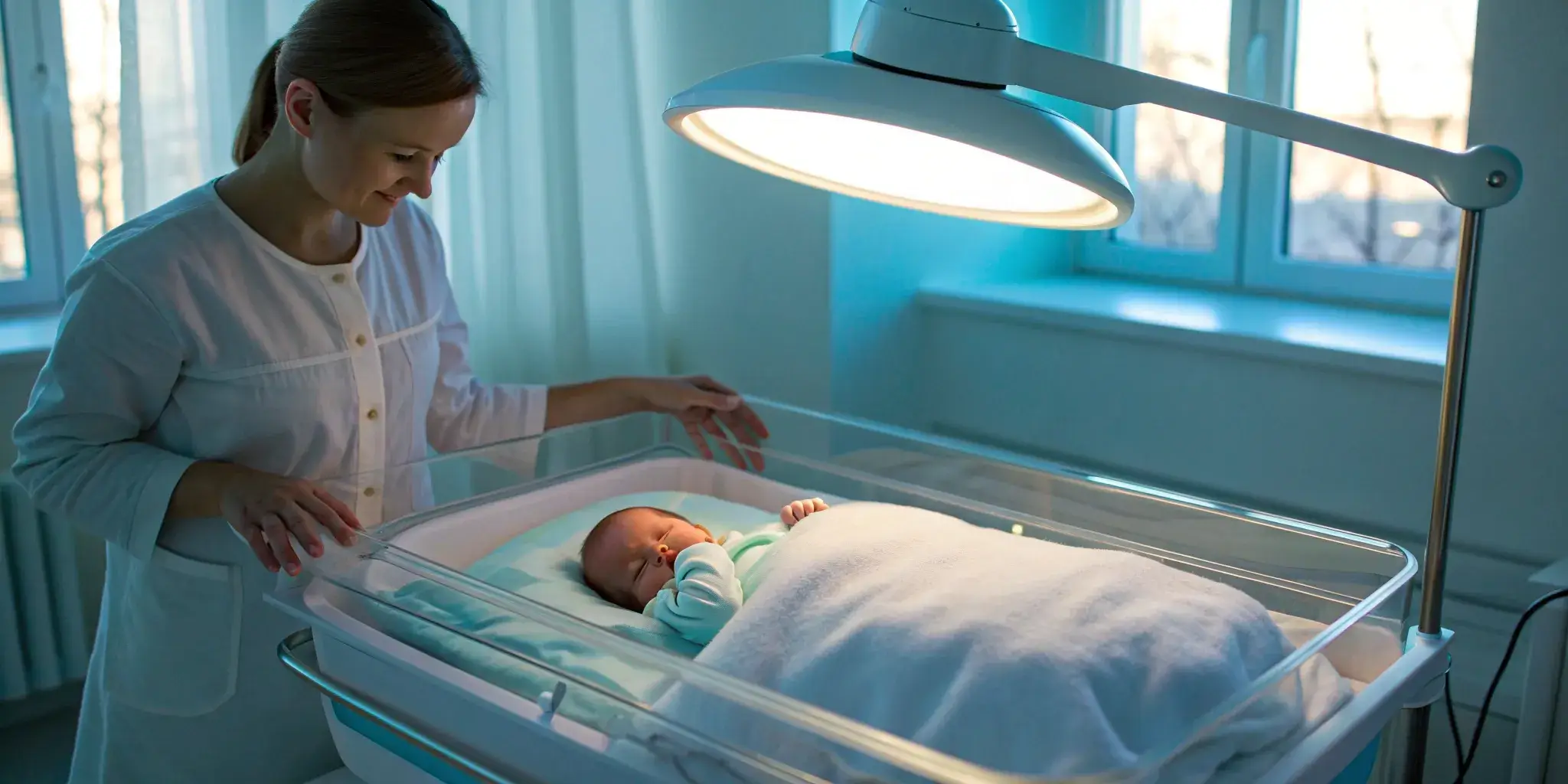
Hearing that your newborn needs treatment for jaundice can feel overwhelming. Your care team starts talking about bilirubin levels, risk zones, and something called a phototherapy chart. It’s easy to feel lost in the terminology. But understanding this one simple tool can transform your experience from one of confusion to confidence. The phototherapy chart is a visual roadmap that shows exactly why your care team is making certain recommendations for light therapy. By learning how it works, you become a more informed and empowered partner in your baby’s care. Let’s walk through what this chart is and how it keeps your baby safe.
Key Takeaways
- Charts guide treatment decisions: A phototherapy chart is a visual tool that helps your doctor decide if and when to start light therapy by plotting your baby’s bilirubin level against their age in hours, taking the guesswork out of the process.
- Every baby’s care is unique: The decision for phototherapy isn’t based on a single number. Your doctor will consider key factors like gestational age, birth weight, and overall health to create a treatment plan that is personalized for your baby.
- You are a key part of the care team: Understand that phototherapy is a safe, standard procedure with simple safety measures like eye protection. Feel empowered to ask your healthcare provider questions about the chart and the treatment plan to stay informed and confident.
What is a Phototherapy Chart?
When you have a newborn, you hear a lot of new terms, and “jaundice” is often one of them. If your baby develops this common condition, their healthcare team will rely on a key tool to guide their care: a phototherapy chart. Think of this chart as a roadmap that helps doctors decide if and when your baby needs light therapy, a treatment that uses specific wavelengths of light to help their body break down a substance called bilirubin. It takes the guesswork out of treatment decisions, providing a clear, visual guide for your baby’s care providers.
A phototherapy chart is essentially a graph that plots your baby’s bilirubin level against their age, measured in hours. This simple plot point tells a powerful story about your baby’s health and potential risks. Phototherapy is a widely used and effective way to lower high bilirubin levels, which helps prevent complications and reduces the need for more invasive procedures like exchange transfusions. These charts are standard in neonatal care because they provide clear, evidence-based guidelines for managing newborn jaundice, ensuring every baby gets the precise level of care they need. By using these charts, your care team can confidently recommend innovative treatment options like phototherapy to keep your baby safe and healthy.
How Charts Guide Clinical Decisions
A phototherapy chart isn’t just a picture; it’s a critical decision-making tool. When a doctor or nurse looks at the chart, they are plotting a specific point: your baby’s bilirubin level at their exact age in hours. This point falls into different zones on the chart, which indicate the level of risk. This allows for a standardized approach, but the guidance is also highly personalized.
Clinicians select the correct chart based on several factors, including your baby’s gestational age, weight, and specific risk factors like sepsis or hemolysis. For example, the widely used Bhutani curve provides guidelines for the first week of life. This tailored approach ensures that the decision to start phototherapy is based on your baby’s individual needs, not just a single number.
Understanding Bilirubin and Jaundice Risk
So, why all the focus on bilirubin? Bilirubin is a yellow substance that the body creates during the normal process of breaking down old red blood cells. Usually, the liver processes it, but a newborn’s liver is still getting up to speed, which can lead to a buildup. When bilirubin levels get too high, it causes the skin and eyes to take on a yellowish tint—a condition called jaundice.
While mild jaundice is common and often resolves on its own, high levels of bilirubin can be harmful. The main goal of phototherapy is to prevent bilirubin from reaching toxic levels where it could potentially affect the brain and cause serious, long-term damage. The phototherapy chart helps your healthcare provider track these levels closely and intervene at the right moment to protect your baby’s health.
How to Use a Phototherapy Chart
When your healthcare provider mentions a phototherapy chart, it can sound a bit intimidating. But think of it as a roadmap that helps them make the best decision for your baby’s health. These charts are visual tools that track bilirubin levels against your baby’s age in hours, showing whether treatment is needed. Understanding how to read this chart can help you feel more involved and confident in your baby’s care plan. Let’s walk through the key steps together.
Reading Bilirubin Levels on the Chart
The first step is plotting your baby’s bilirubin level. A phototherapy chart has two main axes: the bottom (x-axis) shows your baby’s age in hours, and the side (y-axis) shows their total serum bilirubin (TSB) level. Your provider will find your baby’s exact age in hours along the bottom and then move up to the corresponding bilirubin number from their blood test. The point where these two values meet is marked on the chart. Most standard charts, like the widely used Bhutani nomogram, are designed to track jaundice risk during the first week of life, which is when bilirubin levels typically peak and require the closest monitoring.
Interpreting Risk Zones and Treatment Thresholds
Once the point is plotted, the next step is to see where it falls. The chart is divided into different risk zones, often shown with lines or colored bands that represent the treatment thresholds. If your baby’s bilirubin level lands above a specific threshold line for their age, it’s a clear signal that phototherapy is recommended. It’s crucial for your clinical team to use the right chart, as the thresholds change based on risk factors. According to guidelines from leading pediatric hospitals, factors like sepsis, acidosis, or low albumin levels can place a baby in a higher risk category, meaning treatment would start at a lower bilirubin level.
Following Age-Specific Guidelines
The lines on the chart aren’t always absolute. Clinical judgment plays a huge role, especially when it comes to a baby’s specific gestational age. For example, for infants born between 35 and 37 weeks, doctors have some flexibility. The guidelines for phototherapy note that a baby closer to 35 weeks might begin treatment at a lower bilirubin level than one who is almost 38 weeks, even if they are both in the “medium-risk” zone. This nuanced approach ensures that the treatment plan is perfectly tailored to your baby’s individual maturity and health needs, providing care that is both proactive and precise.
What Factors Influence Treatment Recommendations?
When a doctor recommends phototherapy, they aren’t just looking at a single number on a lab report. The decision is based on a complete picture of your baby’s health. Think of the phototherapy chart as a starting point—a valuable guide, but one that’s always used in context. A healthcare provider considers several key factors to determine if and when treatment is necessary, ensuring the plan is perfectly tailored to your newborn.
This personalized approach is crucial because every baby is different. Two newborns with the exact same bilirubin level might receive different recommendations based on their unique circumstances. Factors like how early they were born, their overall health, and specific risk factors all play a significant role in the decision-making process. This ensures that treatment is started at the right time to prevent complications while avoiding unnecessary intervention. Understanding these influences can help you feel more confident and informed as you partner with your baby’s care team.
Gestational Age and Birth Weight
One of the most important factors in deciding on phototherapy is your baby’s gestational age—how many weeks pregnant you were when they were born. A baby born at 35 weeks is physiologically different from one born full-term at 40 weeks. Their livers are less mature, making them more vulnerable to high bilirubin levels.
Because of this, the guidelines for phototherapy are adjusted based on how close to their due date a baby was born. A premature or early-term infant might begin light therapy at a lower bilirubin level than a full-term baby. Your doctor will use a chart specifically designed for your baby’s gestational age to find the appropriate treatment threshold.
Risk Factors for Severe Jaundice
Beyond gestational age, your baby’s doctor will assess for specific risk factors that could increase their chances of developing severe jaundice. These are conditions that might make it harder for their body to process bilirubin or increase their vulnerability to its effects. Your care team is trained to look for these signs and will consider them carefully when interpreting bilirubin levels.
Some of these key risk factors include isoimmune hemolytic disease (often related to different blood types between mom and baby), a G6PD deficiency, or signs of illness like significant lethargy, sepsis, or an unstable body temperature. The presence of one or more of these factors means your baby is monitored more closely, and phototherapy may be recommended at a lower bilirubin level to be safe.
Overall Health and Medical History
Finally, your baby’s overall health and medical history are essential pieces of the puzzle. A clinical assessment isn’t just about the numbers; it’s about the whole baby. Your doctor will consider how well your baby is feeding, if they seem alert and active, and if there are any other health concerns. This complete clinical picture helps them make the best decision.
Tools like BiliTool™ help clinicians synthesize this information by inputting the baby’s age in hours, bilirubin level, gestational age, and risk factors to get a clear recommendation. This data-driven approach, combined with a doctor’s clinical judgment, ensures that the treatment plan is truly individualized for your newborn’s specific needs.
When to Start Phototherapy: Understanding Bilirubin Thresholds
Deciding when to begin phototherapy isn’t based on a single magic number. Instead, healthcare providers use specific bilirubin thresholds, which act as guidelines to determine if and when treatment is necessary. These thresholds are carefully calibrated based on several factors, including your baby’s age in hours, gestational age, and overall health. This personalized approach ensures that every newborn gets the right level of care at the right time, preventing bilirubin levels from reaching a point where they could cause harm. Understanding these thresholds can help you feel more confident in the treatment plan your care team recommends for your little one.
Thresholds for Low-Risk Newborns
For healthy babies born close to their due date (between 35 and 38 weeks), the approach to treatment is flexible. A baby’s specific gestational age helps determine the exact bilirubin level that calls for phototherapy. For instance, a newborn closer to 35 weeks might begin treatment at a slightly lower bilirubin level compared to a baby born at 38 weeks. This tailored approach ensures that care is perfectly matched to your baby’s individual maturity and needs, providing intervention only when necessary. It’s a great example of how neonatal care is customized for each baby.
Thresholds for Medium and High-Risk Newborns
Some newborns have factors that place them in a medium or high-risk category for developing severe jaundice. These conditions can include things like isoimmune hemolytic disease (often related to blood type incompatibility), G6PD deficiency, or signs of a serious infection. When these risk factors are present, your baby’s care team will take a more cautious approach. This usually means they will recommend starting phototherapy at lower bilirubin levels to proactively manage the jaundice and prevent any potential complications. This careful monitoring is a key part of keeping at-risk babies safe and healthy.
Hour-by-Hour Treatment Guidelines
Managing jaundice is a dynamic process, with decisions often made on an hour-by-hour basis. Doctors rely on total serum bilirubin (TSB) levels, along with other measurements, to guide their decisions. A common clinical pathway suggests starting phototherapy when a baby’s TSB is within 3 mg/dL of the treatment threshold. Just as important is knowing when to stop. Treatment is typically discontinued once the TSB level has dropped more than 2 mg/dL below the initial threshold, ensuring the baby has responded well. This precise, ongoing assessment helps make the treatment as effective and brief as possible.
Common Types of Phototherapy Charts
When your healthcare provider pulls out a chart to discuss your baby’s jaundice, it can feel a little intimidating. But these charts are simply tools to help them make the best, most informed decisions for your newborn’s health. While several versions exist, they all serve the same purpose: to map out your baby’s bilirubin levels against their age and risk factors to determine if treatment is needed. The specific chart your doctor uses might depend on the hospital’s protocol, but understanding the most common types can help you feel more confident and involved in the conversation about your baby’s care.
American Academy of Pediatrics (AAP) Guidelines
In the United States, the guidelines from the American Academy of Pediatrics (AAP) are the gold standard. The AAP has established guidelines for managing jaundice in newborns who are at or past 35 weeks of gestation. These charts provide clear, evidence-based recommendations that help your doctor decide the exact moment to begin phototherapy. They plot the total serum bilirubin (TSB) level against your baby’s age in hours, offering a precise threshold for starting treatment. This ensures care is both timely and effective, preventing bilirubin levels from reaching a point where they could cause complications.
Exchange Transfusion Charts
While phototherapy is the standard treatment, some severe cases may require a more intensive procedure called an exchange transfusion—a special blood transfusion that quickly lowers bilirubin levels. Exchange transfusion charts help identify the critical point at which this intervention becomes necessary. The effectiveness of modern phototherapy is often measured by how successfully it prevents the need for exchange transfusions. Using phototherapy charts correctly is the first step in avoiding this more invasive critical intervention, highlighting how vital these tools are.
International Standards and Variations
Outside of the United States, or even within different hospital systems, you might encounter other charts. One of the most widely recognized is the Bhutani curve, or nomogram. This chart is incredibly useful for predicting which newborns are at risk of developing severe jaundice within their first week of life. It plots bilirubin levels against the baby’s age in hours and divides the results into risk zones. This allows clinicians to anticipate potential issues and create a proactive monitoring plan. These tools reflect a global consensus on keeping newborns safe from the risks of high bilirubin levels.
How to Read Chart Zones and Risk Levels
A phototherapy chart might look like a complex graph, but it’s a powerful visual tool designed for clarity. The lines and color-coded zones help your healthcare team quickly assess your baby’s jaundice risk and decide on the best course of action. Understanding these zones can help you follow along with your baby’s care plan and feel more confident in the process.
What the Color-Coded Zones Mean
The lines on a phototherapy chart, often called a Bhutani nomogram, divide it into different risk zones. These zones are typically color-coded or labeled to show whether your baby’s bilirubin level is in a low, intermediate, or high-risk category for their specific age in hours. The chart is specifically designed to be used during a newborn’s first week of life, a critical window for monitoring jaundice. A bilirubin level in the low-risk zone is reassuring, while a reading in a higher-risk zone prompts closer monitoring or the start of treatment. This visual guide helps clinicians make swift, informed decisions about your baby’s care.
When Treatment Becomes Urgent
Treatment becomes necessary when a baby’s bilirubin level crosses a specific threshold on the chart. This isn’t just a single number; the decision to start phototherapy is based on the total serum bilirubin (TSB) level in relation to the baby’s age and specific risk factors. For example, a clinical pathway might recommend starting treatment when the TSB is within a few points of the phototherapy line. Similarly, the decision to stop treatment is just as precise. Phototherapy is typically discontinued once the bilirubin level has dropped to a safe margin below the initial treatment threshold, ensuring the rebound risk is low.
How to Monitor Bilirubin Trends
A single bilirubin reading provides a snapshot, but the trend over time tells the real story. Is the level rising, and how fast? This is what your care team is closely watching. To do this accurately, they must use the correct bilirubin chart for your baby’s unique situation. Factors like gestational age, birth weight, and other health conditions (like sepsis or hemolysis) all influence which chart and risk thresholds are used. By plotting multiple readings over time, doctors can see the trajectory of the bilirubin levels and intervene proactively before they reach a critical point, ensuring a personalized and safe approach to treatment.
What to Expect During Phototherapy
If your newborn needs phototherapy, you might feel a little anxious about what the process involves. The good news is that it’s a very common, safe, and non-invasive treatment. Your baby will simply rest under or on a special light that helps their body break down the excess bilirubin causing the jaundice. The medical team will handle everything, but knowing what’s happening can help you feel more comfortable and involved in your baby’s care.
The entire setup is designed for your baby’s comfort and safety. They’ll be placed in a bassinet or incubator, undressed down to their diaper to expose as much skin as possible to the therapeutic light. Throughout the treatment, your care team will be closely monitoring your baby to ensure everything is going smoothly. You can still hold and feed your baby during breaks from the light, so you won’t miss out on important bonding time. We’ll walk through the key aspects of treatment, from how long it typically lasts to the simple safety precautions that keep your little one protected.
Treatment Duration and What to Look For
One of the first questions parents ask is, “How long will this take?” The duration of phototherapy varies for each baby. It depends entirely on how quickly their bilirubin levels decrease, which is checked with periodic blood tests. Treatment can last anywhere from 24 hours to several days. The primary goal is to use this safe and effective method to lower bilirubin levels and prevent them from rising to a dangerous point. Your medical team is looking for a consistent downward trend. Once the levels are low enough and stable, the treatment can be stopped.
Safety Measures like Eye Protection
When you see your baby under the lights, you’ll notice they are wearing tiny eye shields, like a miniature sleep mask. This is a standard and crucial safety measure. The lights used in phototherapy are bright, and these shields protect your baby’s developing eyes from any potential harm. The nursing staff is very careful to ensure the shields fit snugly but comfortably and stay in place. Your care team will make sure to cover the baby’s eyes before the lights are turned on and will check them frequently. It’s a simple but essential step to keep the treatment both effective and completely safe for your little one.
Monitoring Temperature and Hydration
To get the full benefit of the light, your baby will be undressed except for a diaper and their eye shields. Because of this, keeping them at the right temperature is a top priority. The lights can sometimes make a baby too warm or, if the room is cool, cause them to get chilly. Your baby’s care team will monitor their temperature closely to make sure they stay comfortable and safe. Hydration is also key, as the lights can cause some minor fluid loss. The team will ensure your baby is feeding well and staying hydrated. For some babies, especially those born prematurely, extra fluids may be given to make up for any water loss.
Potential Side Effects and How to Monitor Them
It’s completely normal to have questions about side effects when your newborn is starting any kind of treatment. The good news is that phototherapy has been used safely for decades, and your baby’s care team will be monitoring them closely every step of the way. While serious issues are rare, being informed about what to expect can help you feel more comfortable and confident during the process.
Most side effects are mild and temporary, resolving once the treatment is complete. The medical staff is trained to watch for these signs and manage them proactively to keep your baby safe and comfortable. The main goals are to ensure your little one stays hydrated, maintains a stable temperature, and is protected from the lights. Your role is to ask questions and share any concerns you have with the nurses and doctors, who are there to support both you and your baby. Think of it as a team effort, with everyone focused on helping your baby get better.
Managing Common Side Effects
Phototherapy is a well-established treatment with an excellent safety record spanning over 40 years. The most common side effects are generally mild. You might notice that your baby has loose, frequent stools, which can sometimes be greenish in color. This is a normal response as their body works to break down and excrete the excess bilirubin. Some babies may also develop a temporary, faint skin rash.
Because the lights can increase water loss through the skin, the care team will pay close attention to your baby’s hydration. They will monitor for signs of dehydration and ensure your baby is feeding well. For some infants, especially those born prematurely, this is a key area of focus. These common effects are temporary and typically disappear shortly after phototherapy treatment ends.
Bronze-Baby Syndrome and Other Considerations
In rare cases, a baby with certain liver problems may develop a temporary, dark, grayish-brown skin tone during treatment. This condition is known as “bronze-baby syndrome.” While the name might sound concerning, it’s a harmless side effect that is not a reason to stop phototherapy. The discoloration is temporary and will fade on its own once the treatment is finished.
Your medical team will be aware of this possibility and will have already assessed your baby’s overall health to determine if they are at risk. It’s one of many factors they consider when creating a treatment plan. If you notice any significant changes in your baby’s skin color, always bring it to the attention of your nurse or doctor, but rest assured that this particular condition is well-understood and manageable.
Key Safety Checks During Treatment
Your baby’s safety and comfort are the top priorities during phototherapy. The hospital staff follows strict protocols to ensure the treatment is both effective and safe. First, your baby’s eyes will always be covered with special soft shields or patches. This is crucial for protecting their sensitive, developing eyes from the bright therapeutic lights.
The team will also monitor your baby’s temperature very closely. The lights can sometimes make a baby too warm, while being undressed for treatment can make them too cool. Regular temperature checks help maintain that “just right” balance. Finally, to get accurate test results, the nurses will briefly turn off the phototherapy unit when drawing blood to check bilirubin levels. This simple step prevents the light from affecting the blood sample and ensures the clinical guidelines are followed precisely.
Resources and Support for Parents
Having a newborn treated for jaundice can be a stressful experience, but you are not alone. Arming yourself with the right information and knowing what questions to ask can make the process feel much more manageable. Think of your baby’s care team as your partners. Open communication is key to ensuring your little one gets the best care possible while giving you peace of mind. Below are some resources to help you feel prepared and supported.
Helpful Educational Materials and Support Groups
When your baby is diagnosed with jaundice, it’s natural to want to learn everything you can. Thankfully, many hospitals and pediatric organizations provide excellent, parent-friendly information. It’s reassuring to know that phototherapy for neonatal jaundice is a standard, safe, and effective treatment that helps prevent complications.
For a deeper understanding of the charts your doctor is using, you can find examples of the American Academy of Pediatrics phototherapy charts and other jaundice charts online. Connecting with other parents who have gone through the same experience can also be incredibly helpful. Look for online forums or local parent groups where you can share stories and find emotional support.
Questions to Ask Your Healthcare Provider
Your voice is essential in your baby’s care. Medical guidelines are meant to be a framework, and your doctor will adapt them based on your baby’s unique needs. Don’t hesitate to ask questions until you feel comfortable and clear on the plan. This helps ensure the care is tailored specifically to your child and family.
Here are a few questions to get the conversation started:
- Where do my baby’s bilirubin levels fall on the phototherapy chart?
- What specific risk factors does my baby have?
- What is the proposed treatment plan, and how long do you expect it to last?
- Is home phototherapy an option for us?
- What signs of improvement or concern should I watch for?
- Who should I contact if I have questions after we go home?
What to Expect for Follow-Up Care
The goal of phototherapy is to lower your baby’s bilirubin to a safe level. Your care team will let you know when treatment can be discontinued, which is typically when the bilirubin level is well below the initial treatment threshold. In some cases, your doctor may discuss using guidelines for phototherapy at home, though this option is usually reserved for babies without significant risk factors.
After treatment stops, your pediatrician will schedule a follow-up appointment to check for “rebound” jaundice, which is when bilirubin levels rise again. This is a routine check to ensure the levels remain stable and your baby continues to thrive. These follow-up visits are crucial for confirming the treatment was successful and addressing any new concerns you might have.
Why Phototherapy Charts are Crucial for Preventing Complications
While newborn jaundice is common and usually harmless, it’s essential to monitor it closely. That’s because, in some cases, the bilirubin levels that cause the yellowish tint in a baby’s skin can rise to dangerous heights. This is where a phototherapy chart becomes an indispensable tool for your healthcare team. Think of it as a roadmap that helps clinicians distinguish between normal newborn jaundice and a level that requires intervention. The chart provides clear, evidence-based guidelines that show when to start treatment, ensuring that every decision is backed by data, not guesswork.
The chart itself plots total serum bilirubin levels against a baby’s age in hours, with different lines indicating risk thresholds for low, medium, and high-risk infants. This level of detail is crucial because a bilirubin level that is perfectly safe for a three-day-old might be concerning for a 24-hour-old newborn. By using this tool, your doctor can make an informed, personalized assessment for your baby. Using the chart allows for early and effective management, making phototherapy a safe and reliable way to lower bilirubin levels. The ultimate goal is to intervene at just the right moment to prevent the bilirubin from reaching a toxic concentration in the brain, safeguarding your baby’s health from the very beginning. It’s a simple yet powerful way to ensure a safe and healthy start.
Preventing Kernicterus and Brain Damage
The most critical reason for using a phototherapy chart is to prevent a rare but devastating condition called kernicterus. When bilirubin levels in the blood get too high, it can cross into the brain and cause irreversible brain damage. This is the worst-case scenario that every parent and doctor wants to avoid. The phototherapy chart is the first line of defense.
By plotting a newborn’s bilirubin level on the chart according to their age in hours, clinicians can immediately see if the baby is approaching a dangerous threshold. This visual guide prompts timely action, allowing for phototherapy treatment to begin before bilirubin can cause harm. It’s a proactive approach that effectively curtails rising bilirubin and prevents its toxic accumulation, protecting your baby’s developing brain.
Ensuring Better Long-Term Health Outcomes
Properly using a phototherapy chart does more than just prevent brain damage; it also helps ensure better overall health outcomes by promoting the least invasive treatment necessary. Before phototherapy became common, the primary treatment for severe jaundice was a procedure called an exchange transfusion, where the baby’s blood is replaced with donor blood. This is a much more invasive and risky process.
Today, phototherapy has significantly reduced the need for exchange transfusions. By carefully tracking bilirubin levels on the chart, healthcare providers can administer light therapy at the optimal time, effectively managing jaundice before it becomes severe enough to require more aggressive measures. This approach leads to a safer, less stressful experience for the newborn and provides peace of mind for parents, contributing to a healthier start in life.
Related Articles
- Clinical NB-UVB Phototherapy: Advanced Care
- NB-UVB Therapy Insights: Research & Expert Guidance
- Safe NB-UVB Phototherapy Devices for Home & Clinical Use
- Order NB-UVB Therapy Device
- Phototherapy – Safe & Effective Treatment for Psoriasis & Eczema
Frequently Asked Questions
Why is a chart necessary? Can’t you just see if my baby looks yellow? While the yellow tint of jaundice is a visible sign, it’s not a reliable way to measure how much bilirubin is in your baby’s blood. A phototherapy chart takes the guesswork out of the equation. It allows your doctor to plot your baby’s exact bilirubin level against their age in hours, providing a clear, data-driven picture of their risk. This precision is crucial for intervening at the right moment to prevent bilirubin from reaching a level that could be harmful to your baby’s brain.
Is the light therapy treatment safe for my newborn? Yes, phototherapy is considered a very safe and standard treatment that has been used for decades. Your baby’s care team takes specific precautions to ensure their comfort and safety. This includes placing soft shields over your baby’s eyes to protect them from the bright light and closely monitoring their temperature and hydration levels throughout the process. The side effects are typically mild and temporary, making it a gentle and effective way to manage jaundice.
Can I still bond with my baby during phototherapy? Absolutely. While your baby will spend time under the lights, treatment is not continuous. Your care team will encourage you to take breaks for feeding, cuddling, and diaper changes. These moments are important for both of you. Maintaining that skin-to-skin contact and feeding routine is a key part of your baby’s care, and the treatment plan is designed to accommodate this essential bonding time.
What are the most common side effects I should watch for? The most common side effects are mild and usually resolve on their own after treatment stops. You might notice your baby has looser or more frequent stools, which can sometimes have a greenish tint. This is just a sign that their body is successfully breaking down and getting rid of the bilirubin. Some babies may also develop a temporary, faint skin rash. Your care team will monitor for these things, as well as signs of dehydration, to keep your baby comfortable.
What happens after the treatment stops? Are we in the clear? Once your baby’s bilirubin level has dropped to a safe range, the phototherapy will be stopped. Your doctor will likely schedule a follow-up appointment within a day or two to recheck the levels. This is a routine precaution to make sure the bilirubin doesn’t “rebound” or start to rise again. For most babies, the levels remain stable, and this follow-up visit is simply to confirm that the treatment was a success.